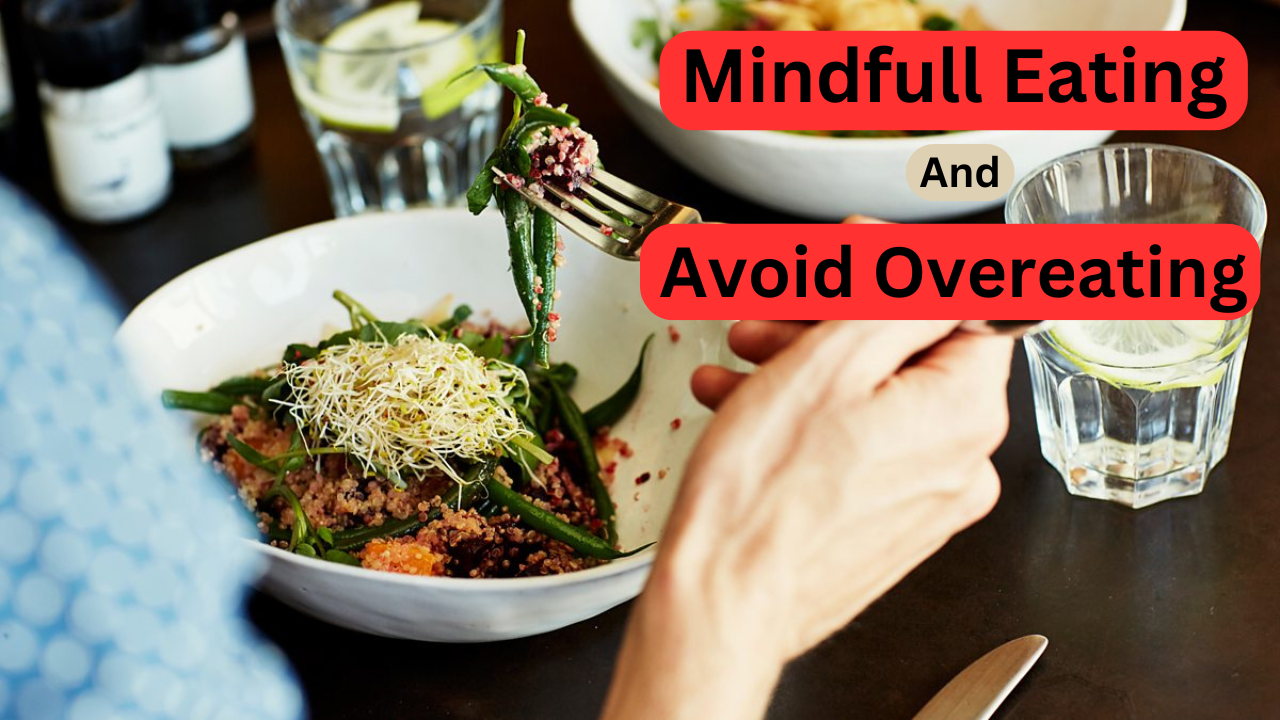
10 Ways to Practice Mindful Eating and Avoid Overeating
Being present and conscious while eating concentrating on the eating experience and observing signs of hunger and fullness is known as mindful eating. It encourages people to take their time to enjoy the food they’re eating and choose their meals carefully. You can improve digestion lessen overeating and cultivate a positive relationship with food by engaging in mindful eating. This strategy aids in raising awareness of eating patterns enabling you to make wiser decisions and break the pattern of overeating that frequently results from emotional triggers or mindless eating.
Eat Slowly and Chew Your Food Thoroughly:
Chewing your food slowly and thoroughly is one of the easiest yet most powerful types of mindful eating. Approximately twenty minutes pass before your brain receives signals from your stomach indicating that it is full. Eating too rapidly can cause you to eat more than your body requires before it can communicate that you are full. Take smaller bites and chew them carefully to combat this. Savor your food flavor texture and aroma. Eating slowly helps you avoid overeating by giving your body time to detect when it is full.
Listen to Your Hunger and Fullness Cues:
The goal of mindful eating is to pay attention to your body’s cues and only eat when you’re hungry. Rather than eating because our bodies need nourishment we frequently eat out of habit stress or boredom. Before you reach for food start by asking yourself if you’re really hungry. Pay attention to the physical signs of hunger like dizziness or a growling stomach. In a similar vein learn to identify when you’re content. Eat until you’re satisfied not when your plate is empty and refrain from eating until you’re uncomfortable. By doing this you’ll prevent overeating and let your body naturally control how much food it takes in.
Engage Your Senses While Eating:
Eating mindfully involves more than just taking your time it also involves using all of your senses. Spend some time enjoying the flavor texture and aroma of your food as you eat. As the flavors develop in your mouth take note. Meals can be more enjoyable when you are more present in the moment thanks to this sensory awareness. You can lessen the possibility of overeating by concentrating on the eating experience rather than eating carelessly or distractedly.
Eliminate Distractions During Meals:
To effectively practice mindful eating it’s critical to reduce outside distractions while eating. Steer clear of multitasking while working watching TV or browsing through your phone. You may eat carelessly as a result of these distractions which could result in overeating and missed fullness cues. Rather concentrate on the food that is in front of you. Give the food your whole attention and engage with it. Making this small adjustment can help you rediscover the joy of eating and make it simpler to know when you’ve had enough.
Serve Smaller Portions to Avoid Overeating:
Serving yourself smaller portions is a sensible strategy to prevent overindulging. According to research regardless of portion size people are more likely to eat what is on their plate. By beginning with smaller portions you lower your risk of ingesting extra calories. You can always return for seconds if you’re still hungry after eating your portion. This keeps you from overindulging while allowing you to eat a range of foods without feeling constrained.
Take Breaks During Your Meal:
It’s simple to eat too quickly during a meal particularly if you’re preoccupied or distracted. Take brief breaks during meals though as a way to cultivate mindful eating. Set down your utensils inhale deeply and examine yourself. Determine whether you are still hungry or whether you are comfortably full. Your body can register the food you’ve eaten thanks to this pause which also helps you avoid mindless eating. Because it promotes a slower pace and a deeper appreciation for the meal taking breaks can also help you enjoy the food more.
Practice Gratitude Before and After Meals:
Developing an attitude of gratitude for the food you’re eating is another aspect of mindful eating in addition to the actual act of eating. Think about the work that went into making the food whether it was the ingredients the cooking method or the individuals who helped prepare it before you eat. Consider how the food gave you energy and nourished your body after you’ve finished your meal. By cultivating an attitude of gratitude you can change your focus from overeating or emotional eating to a more mindful and healthful relationship with food.
Avoid Emotional Eating:
When people use food as a coping method for stress boredom sadness or other emotional states this is known as emotional eating. Emotional triggers and eating habits should be kept apart according to mindful eating. Take a moment to examine your feelings if you frequently reach for food when you’re not hungry. Rather than turning to food as a coping mechanism consider healthier alternatives like journaling talking to a friend or practicing relaxation techniques. Are you genuinely hungry or are you just trying to fill an emotional void? Emotional eating patterns can be identified and addressed to drastically cut down on overeating.
Choose Nourishing Foods That Satisfy Your Body:
Choosing foods that genuinely nourish your body is another aspect of mindful eating. Choose meals that are nutrient-dense and well-balanced with plenty of fruits vegetables whole grains lean meats and healthy fats. You are less likely to overeat when you feed your body healthy foods because you will feel fuller after eating. Spend some time enjoying these foods and their flavors as well. Making healthy nutrient-dense food choices will help you maintain your general health without going overboard.
Reflect on Your Eating Habits Regularly:
A continuous practice of mindful eating necessitates frequent introspection. Take a moment after each meal to evaluate your feelings both during and after eating. Did you eat enough or too much? Examining you’re eating patterns gives your insight into areas where you might improve and keeps you connected to the mindfulness practice. Over time this self-awareness lessens the chance of overeating and reinforces healthy behaviors.
Conclusion:
Practicing mindful eating is a powerful tool for improving your relationship with food and avoiding overeating. By slowing down, tuning into your body’s signals, and making conscious choices, you can enhance your eating experience and foster healthier habits. Mindful eating not only helps you enjoy your meals more but also supports long-term well-being by preventing the physical and emotional consequences of overeating. With consistent practice, you can develop a balanced approach to food that nurtures both your body and mind.