3D Printed Fashion | What You Need to Know
Fashion isn’t just about looking good anymore, it’s about innovation, sustainability, and technology. Enter 3D printed fashion, a game-changer that’s shaking up the industry. Gone are the days when clothes were merely stitched together in a factory, now, designers are leveraging cutting-edge technology to create stunning pieces that redefine what fashion can be. But what exactly is 3D-printed fashion? How does it work, and why should you care? In this article, we’ll delve into the ins and outs of 3D-printed fashion, exploring its benefits, challenges, and everything else you need to know to stay on-trend. So, please grab a cup of coffee and dive in.
What is 3D Printed Fashion?
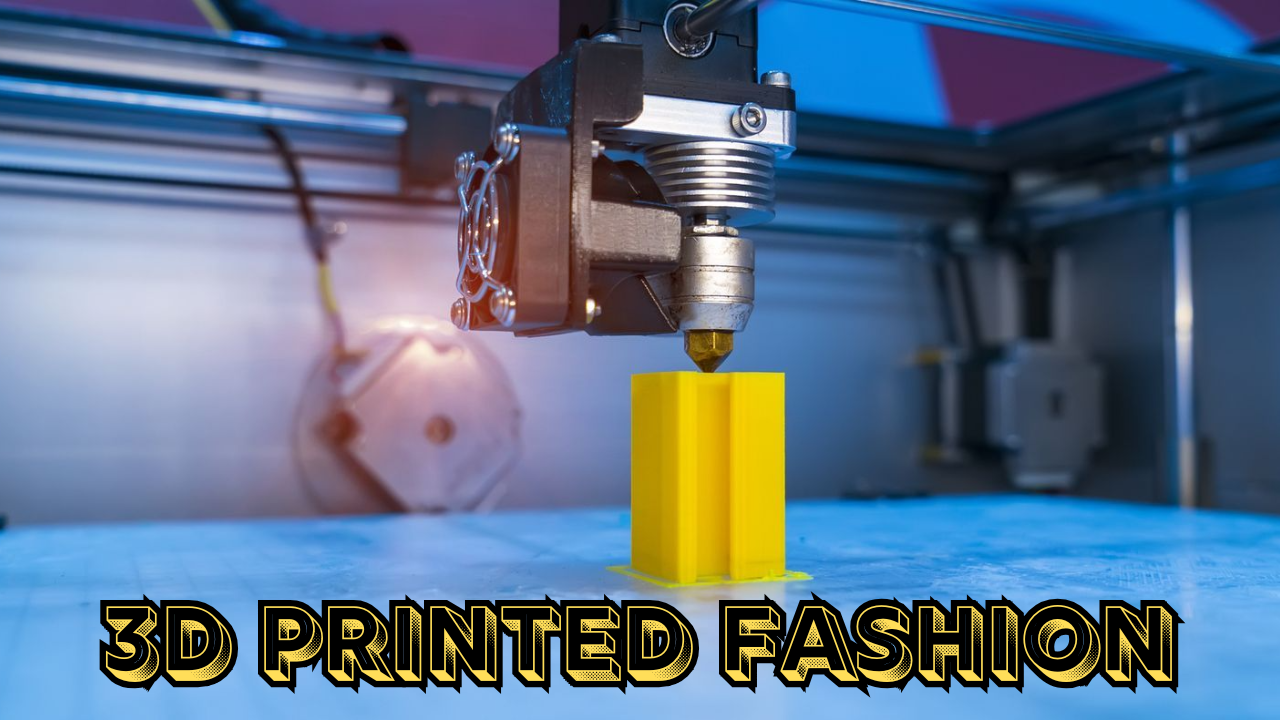
3D-printed fashion refers to clothing and accessories created using 3D printing technology. This innovative process allows designers to produce intricate designs that would be nearly impossible to achieve through traditional manufacturing methods. 3D printing involves layering materials, like plastic, metal, or even fabric, until a three-dimensional object emerges.
The Process of 3D Printing:
- Designing the Model: Designers use computer-aided design (CAD) software to create digital models of their garments.
- Slicing the Model: The digital model is then sliced into thin horizontal layers using specific slicing software.
- Printing: A 3D printer deposits material layer by layer, gradually building up the final piece.
- Post-Processing: After printing, the item may require some finishing touches, such as cleaning, polishing, or dyeing.
Benefits of 3D Printed Fashion:
- Customization: One of the standout features of 3D printed fashion is the level of customization it offers. Designers can create bespoke pieces tailored to individual body shapes or preferences. Imagine owning a dress that fits you like a glove, designed just for you.
- Sustainability: Traditional fashion manufacturing often leads to significant waste and pollution. 3D printing, on the other hand, uses only the necessary materials, minimizing waste. Plus, many 3D printers can work with eco-friendly materials, making sustainable fashion more accessible.
- Innovation in Design: 3D printing allows for complex geometries and structures that are simply unattainable with conventional methods. Designers can experiment with unique shapes and patterns, pushing the boundaries of creativity.
- Speed of Production: Once a design is finalized, it can be printed quickly. This rapid prototyping means that designers can bring their ideas to life faster than ever before, allowing for quicker turnaround times in the fashion world.
Challenges of 3D Printed Fashion:
Of course, it’s not all sunshine and rainbows. The world of 3D-printed fashion comes with its own set of challenges:
- Limited Materials: While the range of materials for 3D printing is expanding, it’s still relatively limited compared to traditional fabrics. This can pose challenges for creating soft, flowing garments.
- Cost: The initial investment in 3D printing technology can be high. Not all designers and brands can afford the equipment or the training required to use it effectively.
- Durability Concerns: Some 3D-printed garments may not hold up as well as those made from traditional materials. Factors like flexibility and wear can impact the longevity of a piece.
- Consumer Acceptance: While tech-savvy fashionistas might be on board with the concept, some consumers still prefer the feel and aesthetics of traditional textiles. Overcoming this perception is crucial for wider adoption
The Future of 3D Printed Fashion:
So, what does the future hold for 3D-printed fashion? As technology continues to advance, we can expect to see more innovations in materials and printing techniques. Here are some exciting possibilities:
- Smart Textiles: Imagine garments that change color based on your mood or temperature. With the integration of electronics into 3D printed fashion, the possibilities are limitless.
- On-Demand Production: Brands might start offering custom pieces that can be printed on-demand, reducing excess inventory and waste.
- Collaboration with Tech Companies: As the fashion industry collaborates more with tech firms, we may see even more groundbreaking advancements in design and production.
How to Get Involved in 3D Printed Fashion:
If you’re intrigued by the idea of 3D-printed fashion, there are plenty of ways to get involved:
1. Take Courses: Many online platforms offer courses on 3D modeling and printing. Learning the basics can help you understand the technology better.
2. Follow Designers: Keep an eye on designers who are pioneering 3D printed fashion. Their work can inspire your own journey into this realm.
3. Attend Fashion Shows: Some fashion events now feature 3D-printed designs. Attending these shows can give you a firsthand look at how this technology is being used on the runway.
4. Experiment: If you have access to a 3D printer, why not try your hand at designing your own fashion pieces? There are plenty of free resources available to help you get started.
Conclusion:
3D printed fashion is more than just a trend, it represents the intersection of technology and creativity in a way that can revolutionize the industry. With its potential for customization, sustainability, and innovative design, it’s no wonder that more designers are embracing this cutting-edge approach. Whether you’re a fashion enthusiast, a designer, or simply curious about the future of clothing, understanding 3D-printed fashion is essential. As technology continues to evolve, the possibilities are endless. So, keep an eye on this exciting field, and who knows? You might just find yourself wearing a piece of the future.
Now, how about trying your hand at designing something unique? Who knows, you could be the next big name in 3D-printed fashion.
FAQs:
Q1: Is 3D-printed fashion expensive?
It can be, especially for custom pieces, but prices are gradually decreasing as technology advances.
Q2: Can you wash 3D-printed garments?
It depends on the materials used. Some may be machine washable, while others might require hand washing or special care.
Q3: Are there any famous designers using 3D printing?
Yes, designers like Iris van Herpen and Danit Peleg are well-known for their innovative use of 3D printing in fashion.
Q4: What materials are commonly used in 3D printed fashion?
A4: Common materials include PLA, ABS, nylon, and flexible filaments. Some designers even use biodegradable options.
Q5: Can 3D-printed fashion be sustainable?
Absolutely! It can reduce waste and utilize eco-friendly materials, making it a more sustainable alternative to traditional fashion.