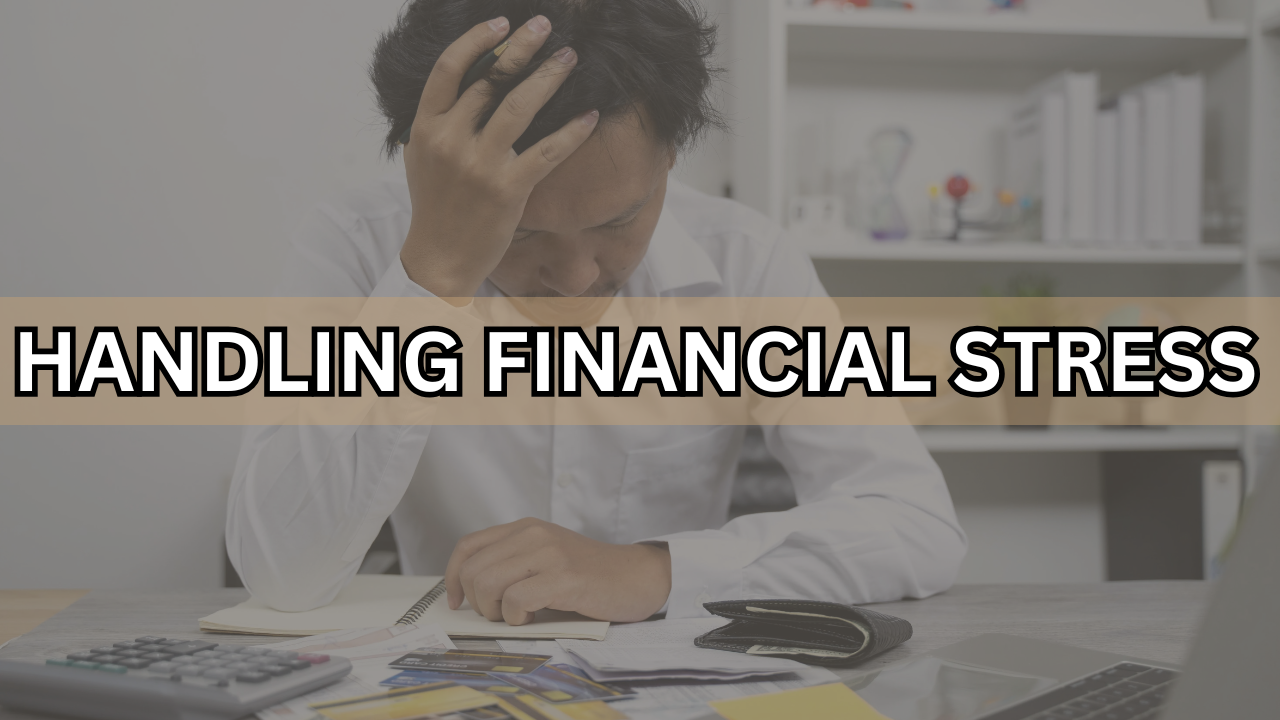
In today’s fast-paced world, financial stress is the most common issue, and it is not limited to insufficient money but also affects our mental and physical health deeply. Worrying about our financial situation can impact our sleep, relationships, and even work performance.
However, good financial arrangements are not only for the rich. Everyone can improve their financial well-being if they adopt the right methods. In this blog, we will discuss ways to understand financial stress and find solutions to it. It is not just a matter of budgeting or saving-it is also important to develop a strong financial mindset.
If you also want to reduce your financial tension and want to move towards a better financial goal, then this blog can prove to be very helpful for you. Let’s start this journey.
Understanding Financial Stress:
Financial stress is one of the worries that will be recognized when you want to buy essential items or remain tense regarding the repayment of the loan. It is just not limited to lack of money Rather, inflation, job insecurity, unexpected expenses or lack of financial planning can also be the cause of this. When a person feels that his income is not sufficient to meet his expenses, this increases stress and has a bad effect on mental and physical health.
Often people suffer from anxiety, tension, and depression due to financial stress. This stress also affects a person’s sleep and one feels restless and irritable all the time. Some people choose to distance themselves from social life due to this reason, while some vent their anger on their family members or friends. This stress can also harm professional life because when the mind is under tension of money all the time, it becomes difficult to focus on work.
The biggest reason for financial stress is pointless expenditure. When a person spends money without any budget and the burden of debt increases, then a time comes when he has to face financial instability. Similarly, if there is no confidence in someone’s job or the source of income is weak, then he always remains under tension regarding money. Sudden medical or emergency expenses also increase financial stress.
Practical Tips for Managing Financial Stress:
The first step to managing financial stress is to understand your financial situation and take better steps on it. First of all, it is very important to make a realistic budget. Unless you keep a complete account of your income and expenditure, it will be difficult to achieve financial control. Segregate your essential and non-essential expenses and try to reduce unnecessary expenses. Often people spend money on small things which together become a big financial burden, so it is important to keep account of every rupee.
Another important step is to create an emergency fund. Many people get stressed during emergencies because they don’t have a backup plan. You can start with a small amount but start saving a little money every month so that whenever an emergency arises, you can handle it easily. Apart from this, if you have a debt burden, it is important to create a strategy to manage it. Using methods like debt snowball or debt avalanche can gradually reduce the debt burden.
If financial stress is too much, you should also explore ways to increase your income. Side hustles, freelancing, or finding better job opportunities by learning a new skill can be good strategies. Nowadays there are many ways of earning online which can help reduce financial stress.
The most important thing is to develop a healthy financial mindset. Financial problems are solved not just by saving or earning money, but also by adopting a better way of thinking. Improve your financial literacy, try to learn about new investments and saving plans, and if needed, do not hesitate to seek advice from a financial expert. When you start gaining control over your money, the stress around you starts reducing and you start feeling more relaxed and financially stable.
Developing a Healthy Financial Mindset:
The most important thing to get out of financial stress and improve your financial life is to develop a strong financial mindset. As long as you think of money as just a tension or issue, financial problems can go away. But if you look at money as a tool that can improve your life, then you will be able to make financial decisions in a better way.
First of all, you need to change your thinking. Most people consider money as just a tool for income and expenditure, but the fact is that financial success is a result of a mindset. Instead of worrying all the time, you should focus on finding solutions to your financial problems. A positive and proactive approach can lead you towards financial growth.
Another important thing is financial literacy. Unless you understand the ways of earning, saving, investing, and budgeting money, it will be difficult to get out of financial stress. Therefore, focus on your financial education, learn about new saving plans and investments, and try to make your financial decisions better.
You also have to take stock of your spending habits. Often people fall prey to financial stress due to emotional spending or impulsive shopping. Whenever you are thinking of buying something, think about whether it is necessary or just for temporary pleasure. The best way of budgeting is to set your priorities and spend money only on those things that are according to your purpose.
Another important part of a self-reliant financial mindset is to start thinking about your future. Instead of focusing on today’s issues, focus on long-term planning. Build an emergency fund, save for retirement, and set financial goals. When you are disciplined in matters of money, gradually financial security increases and stress reduces.
In the end, the most important thing is that you trust yourself and have faith in your financial growth. Financial problems are solved not just by earning more money, but also by better thinking and better planning. When you adopt a positive and responsible approach, you will not only improve your financial health but also enjoy a much better and more peaceful life.
Conclusion:
Financial stress can have a significant impact on our mental and physical well-being, but it is not an insurmountable problem. By adopting practical strategies such as creating a realistic budget, building an emergency fund, and managing debt effectively, we can improve our financial situation. Additionally, developing a healthy financial mindset and increasing financial literacy are crucial steps towards reducing financial stress. It is essential to approach financial issues with a positive and proactive attitude, focusing on long-term planning and responsible spending. Remember, financial well-being is achievable for everyone with the right mindset and methods. By taking control of our finances, we can lead a more relaxed and financially stable life.
FAQs:
- What is financial stress?
Financial stress refers to the anxiety and worry caused by financial challenges such as insufficient income, debt, job insecurity, and unexpected expenses. It can negatively affect mental and physical health, relationships, and work performance.
- How can I create a realistic budget?
To create a realistic budget, track your income and expenses, categorize them into essential and non-essential items, and prioritize reducing unnecessary spending. This helps you gain control over your finances and make informed decisions.
- What is an emergency fund, and why is it important?
An emergency fund is a savings account specifically set aside for unexpected expenses such as medical emergencies, car repairs, or job loss. It provides a financial safety net and helps reduce stress during unforeseen situations.
- How can I manage my debt effectively?
Effective debt management involves creating a strategy, such as the debt snowball or debt avalanche method, to gradually pay off debts. Prioritize high-interest debts and make consistent payments to reduce the overall burden.
- How can I improve my financial mindset?
Improving your financial mindset involves viewing money as a tool for achieving life goals rather than a source of stress. Focus on financial education, responsible spending, long-term planning, and seeking professional advice when needed. This proactive approach can lead to better financial decisions and reduced stress.