
Quantum Computing and AI | Leading the Future
In the rapidly evolving landscape of technology, two advancements stand out as the catalysts of change, artificial intelligence (AI) and quantum computing. By 2030, these twin pillars of innovation are set to revolutionize every aspect of our existence. Their integration and application will propel humanity to the edge of progress, redefining how we live, move, and interact with the world. But what exactly are these technological advancements? How do they function, and how will they change the world? Let’s explore.
1. Understanding Quantum Computing:
What is Quantum Computing? Quantum computing is a type of computation that harnesses the principles of quantum mechanics to process information. Unlike classical computers that use bits as the smallest unit of data (which can be either 0 or 1), quantum computers use quantum bits or qubits. Qubits can exist in multiple states simultaneously, thanks to the principles of superposition and entanglement.
By 2030, quantum computers with 1 million qubits are expected to revolutionize problem-solving across various domains. These immense computing systems will offer unmatched capabilities, driving advancements in areas such as artificial intelligence, financial modeling, and drug development. For instance, quantum computers could solve complex optimization problems in minutes that would take classical computers thousands of years.
2. The Role of Artificial Intelligence:
Advancements in AI: Artificial intelligence is the simulation of human intelligence processes by machines, particularly computer systems. These processes include learning, reasoning, and self-correction. By 2030, significant enhancements in AI are expected in computer processing power, voice and image recognition, deep learning, and other software algorithms.
The creation of humanlike AI is well underway, with future advancements potentially leading to AI that can pass the Turing test, a measure of a machine’s ability to exhibit intelligent behavior equivalent to, or indistinguishable from, that of a human. AI-generated virtual assistants could engage in human conversations and find applications in virtual reality and video games.
3. The Integration of Quantum Computing and AI:
Synergy for Innovation: The integration of quantum computing and AI promises to unlock new levels of innovation and problem-solving capabilities. Quantum computing can enhance AI algorithms by providing unprecedented computational power, enabling faster processing of vast amounts of data, and improving machine learning models.
For example, in drug development, quantum computing can accelerate the discovery of new drugs by simulating molecular interactions more accurately. AI can then analyze the results to identify promising candidates for further testing. This combination of technologies could significantly shorten the drug development timeline and reduce costs.
4. Transformative Applications:
- Revolutionizing Industries: By 2030, the integration of AI and quantum computing is expected to transform various industries. Here are a few examples:
- Healthcare: Quantum computing and AI can revolutionize healthcare by enabling the development of personalized medicine. AI algorithms can analyze a patient’s genetic information and medical history to recommend tailored treatment plans, while quantum computing can simulate complex biological processes to identify new treatments.
- Finance: In the financial sector, these technologies can enhance risk management, fraud detection, and investment strategies. Quantum computing can optimize portfolio management by evaluating numerous variables simultaneously, while AI can predict market trends and identify investment opportunities.
- Cybersecurity: Quantum computers can improve encryption methods, making data transmission more secure. AI can detect and respond to cyber threats in real time, providing a robust defense against cyber-attacks.
- Climate Science: Quantum computing can improve climate modeling by processing vast amounts of data to predict weather patterns more accurately. AI can analyze these models to develop strategies for mitigating the impacts of climate change.
5. Technological Advancements by 2030:
A Glimpse into the Future: By 2030, several technological advancements are expected to go mainstream, significantly impacting our daily lives:
- 8K Virtual Reality Headsets: These headsets will offer exceptional resolution and realism, paired with advancements in equipment and haptic suits to provide near-zero latency and enhanced comfort for users. This could revolutionize gaming and immersive simulations.
- Brain Interface Devices: These devices will allow users to control actions with their minds, providing increasingly lifelike interactions within virtual environments.
- Quantum Internet: A quantum network could materialize, relying on quantum signals instead of traditional radio waves for data transmission. This network would safeguard information against hacking or interception, potentially allowing personal computers to transmit or retrieve quantum encrypted data via cloud-based quantum computers.
- Printed Electronics: Ultra-thin and foldable printed electronics are poised for mainstream adoption, revolutionizing everyday business and consumer applications.
- 3D Printing: By 2030, 3D printing is expected to manufacture clothing items at near-zero costs and revolutionize healthcare by constructing living biological systems, including organs.
6. The Future of Human Potential:
Unleashing Human Potential: The advancements in AI and quantum computing will unlock new possibilities for human potential. Artificial brain implants could offer treatments for conditions such as Alzheimer’s and strokes, while DNA sequencing could facilitate the application of AI in identifying various disorders associated with specific genes.
By 2030, the widespread adoption of 6G technology could supersede 5G, offering speeds estimated to be 100 times faster. This would enable real-time human thought and action through immersive virtual reality experiences and brain-computer interface devices integrated into the human body. Integrated smart grid technology could also be widely adopted, facilitating bi-directional energy transmission and enhancing the feasibility of large-scale renewables.
Conclusion:
The transformative potential of AI and quantum computing is already undeniable. These technologies are vital in solving some of humanity’s biggest challenges while unlocking new possibilities for innovation and discovery. By embracing these advancements, we can shape a future where human potential is unlimited, and the possibilities are bound only by our imagination.
As we look ahead to 2030, it’s clear that the integration of AI and quantum computing will revolutionize every aspect of our existence. From healthcare to finance, cybersecurity to climate science, these technologies will redefine how we live, move, and interact with the world. The future is bright, and the possibilities are endless.
FAQs:
1. What is quantum computing?
Quantum computing is a type of computation that uses quantum bits (qubits) to process information, offering unmatched capabilities compared to classical computers.
2. How will AI advancements impact our daily lives by 2030?
AI advancements will enhance various aspects of life, including healthcare, finance, cybersecurity, and climate science, by providing personalized solutions and improving decision-making processes.
3. What is the Quantum Internet?
The Quantum Internet is a proposed network that uses quantum signals for data transmission, safeguarding information against hacking or interception.
4. How will 3D printing revolutionize healthcare?
3D printing will enable the construction of living biological systems, including organs, addressing organ shortages and improving healthcare outcomes.
5. What are brain interface devices?
Brain interface devices allow users to control actions with their minds, providing lifelike interactions within virtual environments.
6. What is the potential of 6G technology?
6G technology could offer speeds 100 times faster than 5G, enabling real-time human thought and action through immersive virtual reality experiences and brain-computer interface devices.

How to Avoid Wasting Your 20s
Looking back, I realize that I wasted my 20s. I had no one in my early 20s speaking anything positive or beneficial to me. When they say to choose your friends wisely, they’re not lying. I worked in a restaurant for a few years alongside a part-time radio gig, then got married and stepped into a data entry role at a Private Company. I spent hours entering data via a number pad, flipping through a stack of drug tests for 8 hours a day. I then moved on to working in a medical transcription department for the next 10 years.
The Problem with Generalized Jobs
The problem with this approach to life is that if you ever face the unfortunate circumstances of being laid off, you will realize that you are left void of any skill set to move forward. You don’t have any particular place to go after that. If you’re in a job that’s not specialized and really anyone can do it, and you stay there too long, you move up the ladder without gaining any specific skill set or experience to shift into something later.
I didn’t go to school for anything particular. I worked jobs that could be easily replaced. When they announced they were laying off our entire department except my boss and me, I knew my days were numbered. My wife was my biggest asset. She kept telling me, “Hey, you’re fixing everyone’s computers in the office. You spend a lot of time on computers at home. Why don’t you do some training in computers or programming?” She said this multiple times over the years, but I worked around very unambitious people 8 hours a day and thought it was impossible.
Turning Point
In those latter years at that job, I started reading, studying, and learned to write code. I got into software development. The turning point for me came when I came across a diagram that radically changed my mindset on what I should be doing with my life. This diagram helped me determine my calling.
The Three Key Components
- Passion:
Everyone has something they’re passionate about. It’s what excites you and makes you tick. However, passion alone doesn’t pay. If you’re passionate about something but it doesn’t lead to a successful career, it’s just a hobby.
- Proficiency:
What are you good at? Many people are good at things they hate doing. Being proficient at something you dislike will lead to dissatisfaction. On the other hand, being passionate about something you’re not good at won’t lead to success.
- Profitability:
Is the career profitable? If you have passion and proficiency but the career isn’t profitable, you’ll be poor. A profitable career is essential for long-term success.
Finding Your Calling
To find your true calling, you need to identify what you’re passionate about, what you’re good at, and whether it’s profitable. Here are some steps to help you:
- Identify Your Strengths:
Ask people what you’re good at. Often, it’s obvious to everyone but you. Make a list of your strengths.
- Discover Your Passion:
Identify what excites you and what topics you love working on. Make a list of your passions.
- Evaluate Profitability:
Cross off the things on your list that aren’t profitable. Focus on careers that are in demand and pay well.
Conclusion
Finding your calling involves aligning your passion, proficiency, and profitability. If you find a career that covers all three areas, you’ll be on the path to success. If not, take the time to evaluate what’s stopping you and make necessary changes.
Frequently Asked Questions (FAQs)
Q1: What should I do if I’m good at something but don’t enjoy it?
A1: If you’re good at something but don’t enjoy it, consider finding a career that aligns with both your proficiency and passion.
Q2: Can I change my career path later in life?
A2: Yes, it’s never too late to change your career path. Evaluate your strengths, passions, and the profitability of potential careers.
Q3: How can I identify my strengths and passions?
A3: Ask for feedback from others, reflect on your interests, and make a list of activities that excite you.
Q4: What if my passion isn’t profitable?
A4: If your passion isn’t profitable, consider it a hobby. Look for careers that combine your passion with profitability.

5 Technology Impacts in Your Daily Life
Technology affects almost every aspect of 21st-century life—from transport efficiency and safety to access to food and healthcare, socialization, and productivity. The power of the internet has enabled global communities to form, and ideas and resources to be shared more easily. However, the overuse of some technology has been linked to a decline in mental health, increased social division, and privacy concerns. We take technology for granted every day, even when it’s delivering us the latest news in an instant, making our cappuccino, or connecting us with a loved one halfway across the country or even the world.
1. Better Information Access
Today, it’s no more strenuous than a couple of clicks if you want to find something out. For many of us, we don’t even need to move from the spot; simply pull out your phone and get googling or even ask your smart home assistant. It may seem like a distant memory, but it wasn’t so long ago that you’d have to take a trip to the library to find out more in-depth information about a subject—if it was available at all. Now, due to these advances in technology, you can find hundreds of thousands of web pages dedicated to pretty much anything you can dream of, from crochet patterns to Roman history. It’s something of a cliché, but there is literally an app for anything, and they’ve rendered a lot of other mediums all but obsolete for many of us. Take GPS, for example: if you want to know how to get somewhere, it’s simply a case of pulling up an app like Google Maps and choosing the best route, which will come complete with directions as well as satellite imaging. There are even apps for businesses that automatically route vehicles alongside traffic, weather, safety, and legal information.
2. Improved Communication
Another medium that has seen a boom in the last few years is video calling. It’s nothing particularly new—the concept has been around for about as long as Bell’s telephone—but the revolution of high-speed broadband at affordable prices means that it’s now easy to send and receive the amounts of data needed for a video call. While video calling has spent the last decade slowly creeping into daily life, it’s the ongoing pandemic that has pushed it over the edge and secured its future as an everyday way to stay in touch. Thanks to lockdowns and social distancing, families and friends are meeting up and socializing via video call more than ever before. If you hadn’t heard of Zoom last year, you will have certainly become aware of it this year. And while there are plenty of other video conferencing apps out there, it’s Zoom that has emerged as the poster child for video chat in the public consciousness. This is backed up by the firm’s impressive claim of 300 million daily participants earlier in the year, compared to just 10 million back in December 2019.
3. Decreased Privacy
We are spending more of our lives online than ever before. According to one report, Americans spent six and a half hours a day online in 2019—a stat that is bound to have skyrocketed since lockdown started. Shopping? It’s done on Amazon. Catching up with friends? It’s FaceTime, Snapchat, or email. Want to be entertained? Netflix or online gaming. Research? Hit up Google. Almost every facet of our daily routines can be catered for online today, so it seems inevitable that our time spent online will only increase. While access to everything online gives us an unparalleled level of convenience, it has also made us vulnerable. Every move we make online is recorded, and we leave digital footprints wherever we visit. Hackers and scammers know this and work hard to exploit it for financial gain. Of course, as with everything else, technology has also given us the tools to protect ourselves and ensure that we are safe as our lives migrate online. In 2021, this is even more key. Many of us are not only browsing for personal reasons but accessing shared work networks from our own homes, and we can’t rely on the closed-off security of the physical office.
4. Flexible Working
2020 will be remembered for a lot of negative reasons, but one of its most defining positives has been the widespread acceptance of working from home. With the pandemic in full swing, many had to abandon their offices and log on from their own residences. At its peak, 42 percent of Americans were working from home, according to one study. And even once this pandemic has passed, the trend looks set to continue with large companies such as Twitter and Microsoft already stating that their staff can work from home indefinitely. For many, working from home has been something of a revelation—no commuting, more flexible hours, a lessened environmental impact, and being able to choose where they work from. All this is made possible thanks to technological advancements. That’s not to say working outside the office doesn’t have its challenges. Organizing employees who are spread across various locations successfully can certainly present problems, but yet again, our friend technological progress comes to the rescue—this time with remote working software, which can aid in organization, time management, goal focus, and structure.
5. Accessible Shopping from Anywhere
Technology hasn’t bypassed physical shopping either. Thanks to contactless cards and phone payments, we don’t need to worry about handing over cash or keying in a PIN number. Tap to pay and you’re done. If you’re a business, then a point of sale (POS) system is a huge boon regardless of your size. With the POS, not only can you take payments electronically, but you can also automatically manage stock levels, create electronic receipts, manage loyalty schemes, manage sales, and so on. It doesn’t need to be costly either—POS systems start at around $30 a month, and some even offer free hardware. You don’t need to leave the house to shop; with the vast majority of us owning a tablet, laptop, or smartphone, we’ve all got easy access to a virtual shop front right in front of us where we can buy pretty much anything we want. Technology has also democratized retail. It used to be the case that you needed a physical presence to start your own shop, but now, anyone with an internet connection can set up an online store.
Conclusion
Technology has undeniably transformed our daily lives in myriad ways. From improving access to information and enhancing communication to offering flexible working conditions and simplifying shopping, its impact is profound and far-reaching. However, as we continue to embrace technological advancements, it is essential to remain mindful of the potential downsides, such as decreased privacy and mental health concerns. By leveraging technology responsibly, we can maximize its benefits while mitigating its risks.
FAQs
1. How has technology improved access to information?
Advances in technology have made it easier than ever to find information. With just a few clicks on your phone or computer, you can access a vast array of web pages on virtually any topic.
2. What are the benefits of video calling?
Video calling allows for real-time communication with friends, family, and colleagues, no matter the distance. It has become especially important during the ongoing pandemic, enabling people to stay connected while adhering to social distancing guidelines.
3. How does technology impact privacy?
While technology offers convenience, it also raises privacy concerns. Our online activities are tracked, and we leave digital footprints that can be exploited by hackers and scammers. It is important to use technology wisely and take steps to protect our privacy.
4. What are the advantages of working from home?
Working from home offers benefits such as no commuting, flexible hours, a reduced environmental impact, and the ability to choose your workspace. Technological advancements have made remote work more feasible and efficient.
5. How has technology changed shopping?
Technology has revolutionized shopping by enabling contactless payments and online retail. Consumers can shop from anywhere using their devices, and businesses can manage sales and inventory more efficiently with POS systems.
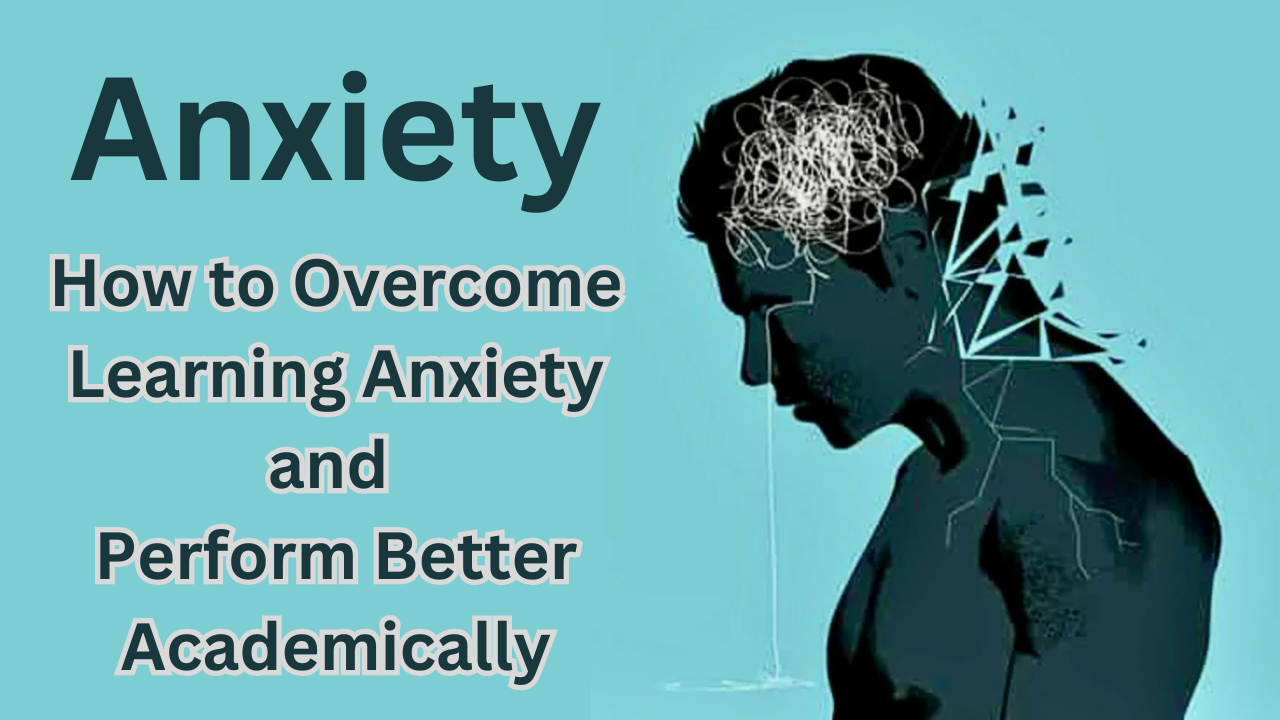
Anxiety | How to Overcome Learning Anxiety and Perform Better Academically:
Many students struggle with learning anxiety which frequently results in stress self-doubt and poor academic performance. Learning can feel overwhelming rather than pleasurable due to high expectations pressure to succeed and fear of failing. However, it is possible to overcome learning anxiety if you have the correct attitude and techniques. Students can improve their academic performance lower stress levels and gain confidence by addressing the underlying causes and implementing practical strategies.
Understanding Learning Anxiety and Its Impact:
Many factors such as unreal expectations fear of being judged and past failures contribute to learning anxiety. Learning anxiety is frequently accompanied by difficulties with self-doubt procrastination and concentration. The pressure to perform well academically can set off a vicious cycle of stress and avoidance which can result in subpar work and strengthen self-defeating beliefs.
Learning anxiety affects mental and emotional health in addition to academic performance. In addition to physical symptoms like headaches or exhaustion, persistent anxiety can cause burnout and low self-esteem. Effectively addressing learning anxiety begins with acknowledging its effects. By realizing that anxiety is a normal reaction to stress students can create healthy coping mechanisms.
Developing a Positive Mindset towards Learning:
Overcoming learning anxiety requires a positive outlook. A lot of students see academic difficulties as dangers rather than chances for personal development. Changing this viewpoint can have a big impact on motivation and stress reduction. Adopting a growth mindset which views errors as teaching opportunities rather than failures promotes confidence and resilience.
Another essential component of conquering learning anxiety is self-compassion. Pupils should acknowledge their progress no matter how tiny and practice self-encouragement rather than harsh self-criticism. A more encouraging and supportive learning environment can be produced by making it a habit to recognize and celebrate accomplishments no matter how small. A constructive approach to learning is further reinforced by surrounding oneself with positive influences such as mentors and peers who are encouraging.
Effective Study Techniques to Reduce Anxiety:
Using efficient study methods can help a lot with learning anxiety. Ineffective study techniques that result in frustration and poor memory retention are a common source of anxiety. Understanding and retention are improved by creating organized study habits that include goal-setting task segmentation and the use of active learning techniques.
Effective time management is essential to lowering learning-related stress. Anxiety is often increased by procrastination which results in last-minute cramming and increased stress. Preventing excessive workloads and encouraging a sense of control over academic responsibilities can be achieved by developing a study schedule that permits regular manageable study sessions.
Studying becomes more dynamic and pleasurable when active learning techniques like summarizing material imparting knowledge to others and participating in discussions are used. Other resources that improve memory and comprehension include practice exams mnemonic devices and visual aids. Learning can be made less stressful and more enjoyable by identifying the study strategies that suit each learner’s unique learning preferences.
Managing Test Anxiety for Better Performance:
A prevalent type of learning anxiety that impacts students of all ages is test anxiety. Even when students are well-prepared the fear of performing poorly can impact their ability to focus and perform. To improve academic performance test anxiety management techniques must be developed.
Reducing test-related stress requires preparation. Establishing a regular study plan well in advance of tests improves memory retention and lessens the need for last-minute cramming. Gaining confidence and familiarity with test formats can be achieved through practicing with previous papers quizzes and timed exercises.
Relaxation techniques, such as deep breathing, mindfulness, and visualization, can help calm nerves before and during exams. Developing a pre-exam routine that includes physical activity, adequate rest, and positive affirmations helps create a more focused and composed mindset. Avoiding negative self-talk and replacing it with constructive thoughts, such as “I am prepared, and I can do this,” can make a significant difference in test performance.
Building Self-Confidence through Small Wins:
A key component of conquering learning anxiety is confidence. Many students battle self-doubt thinking they are incapable of succeeding academically. Establishing reasonable objectives and recognizing accomplishments along the way are key components of developing self-confidence. The idea that learning is possible is strengthened by little victories like finishing a difficult task or raising test scores.
Confidence can also be increased by participating in extracurricular activities and discovering interests outside of the classroom. The pressure to perform well academically is lessened and a sense of accomplishment is fostered by success in non-academic pursuits. Students who have a well-rounded sense of self-worth approach learning with greater balance and positivity.
Advice on how to overcome learning anxiety can be obtained by asking teachers mentors or counselors for assistance. Having frank conversations about difficulties and getting helpful criticism promotes a proactive approach to development. Building a network of friends family and teachers fosters a more supportive and inspiring learning environment.
Creating a Balanced Lifestyle for Academic Success:
Learning anxiety and academic achievement are strongly influenced by a balanced lifestyle. Burnout is common among students who prioritize their studies over self-care which makes anxiety worse. Maintaining motivation and focus requires giving mental and physical health top priority.
Regular exercise, a nutritious diet, and adequate sleep contribute to better cognitive function and emotional stability. Exercise releases endorphins, which reduce stress and improve mood. Proper nutrition fuels the brain, enhancing focus and memory retention. Sufficient sleep allows the brain to process and retain information more effectively, preventing mental fatigue.
A necessary respite from the demands of school is provided by hobbies social interactions and relaxation activities. Maintaining a good balance between studying and personal life requires making time for enjoyable and relaxing activities. Students who practice self-care regularly report feeling less stressed and performing better academically.
Conclusion:
Overcoming learning anxiety is a gradual process that requires self-awareness, positive mindset shifts, and effective study strategies. By recognizing the sources of anxiety and addressing them with practical techniques, students can develop greater confidence and resilience. Managing test anxiety, building self-confidence, and maintaining a balanced lifestyle contribute to improved academic performance and overall well-being. Learning should be an enriching experience rather than a source of stress, and with the right approach, students can transform their academic journey into a fulfilling and rewarding endeavor.
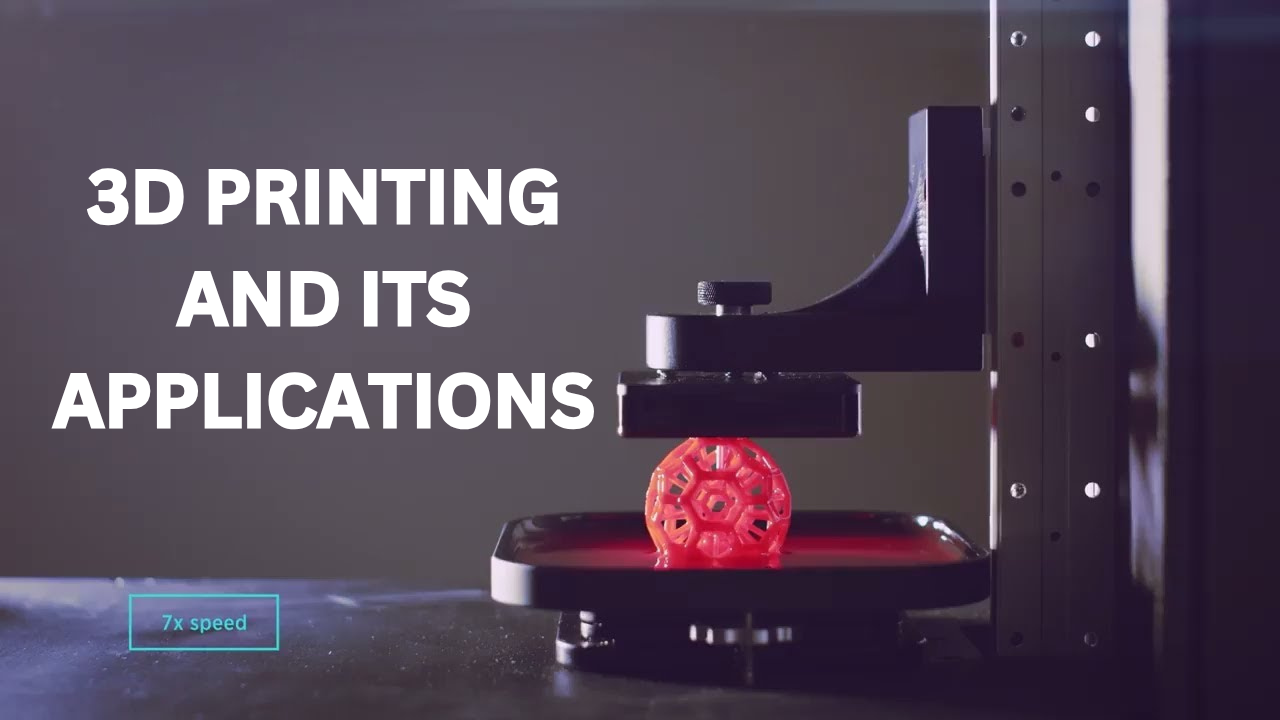
3D Printing and Its Applications:
3D printing, also known as additive manufacturing has emerged as a groundbreaking technology revolutionizing how we create and innovate in various industries by transforming digital designs into tangible objects layer by layer it offers unprecedented flexibility and precision initially popularized for prototyping 3D printing has expanded into diverse fields such as healthcare automotive aerospace architecture and even food production in healthcare it allows for the creation of customized implants prosthetics and even bio printing of tissues drastically improving patient outcomes in the automotive and aerospace industries 3D printing enables the production of lightweight complex parts that improve performance and reduce costs.
Architects are using it to construct models with intricate designs that were previously impossible to achieve with traditional methods beyond industrial use 3D printing has also made its way into the consumer market offering DIY enthusiasts educators and small businesses the ability to produce personalized products and tools with its rapid advancements 3D printing has opened up a world of possibilities making it an essential technology that continues to shape the future of manufacturing healthcare and beyond as this technology evolves its applications will only expand reshaping how we approach creation production and even problem-solving.
History of 3D Printing:
The history of 3D printing dates back to the early 1980s when it was first conceptualized as a means to create prototypes for industrial design the earliest form of this technology was invented by Chuck Hull in 1983 that uses ultraviolet light to solidify liquid resin layer by layer forming a 3D object Hull’s invention marked the birth of 3D printing leading to the establishment of 3D Systems the first company to commercialize the technology throughout the 1980s and 1990s 3D printing remained largely confined to specialized industries particularly manufacturing where it was used for rapid prototyping
As technology advanced so did the range of materials used in 3D printing from plastics and metals to ceramics and even food the 2000s saw a surge in interest and investment and by 2005 the project an open-source initiative was launched with the goal of creating a 3D printer that could print its own parts paving the way for more affordable and accessible printers in the 2010s 3D printing began to find applications in a wide variety of fields from healthcare where it enabled the production of custom prosthetics and implants to architecture where it facilitated the creation of complex building structures.
Types of 3D printing Technologies:
There are several types of 3D printing technologies each with its own unique method of turning digital designs into physical objects the most common and widely used types include Fused Deposition Modeling (FDM) Selective Laser Sintering (SLS) and Digital Light Processing (DLP) among others FDM is perhaps the most accessible and affordable often used in home-based printers where a thermoplastic filament is heated and extruded layer by layer to create objects SLA on the other hand uses an ultraviolet laser to cure liquid resin into solid layers known for its high precision and smooth finish making it popular in industries like jewelry and dentistry SLS uses a powerful laser to fuse powdered material such as nylon or metal together in a layer-by-layer process.
DLP is similar to SLA but uses a digital projector to flash an image of each layer onto the resin surface enabling faster printing speeds other technologies such as Electron Beam Melting (EBM) and Laminated Object Manufacturing (LOM) also offer specialized applications with EBM using an electron beam to melt metal powder for creating strong high-performance components particularly in aerospace and medical fields these different 3D printing technologies allow for a broad range of applications from rapid prototyping and manufacturing to creating intricate designs and highly customized products in industries like healthcare automotive and fashion.
Benefits of 3D Printing:
3D printing offers a wide array of benefits that are transforming industries and everyday life one of its most significant advantages is its ability to enable rapid prototyping designers and engineers can quickly turn digital models into physical prototypes allowing for faster iterations and more efficient product development this can save both time and money as companies no longer need to rely on costly and time-consuming traditional manufacturing processes like molding or tooling another key benefit is customization 3D printing allows for the creation of highly personalized items from custom prosthetics and implants in healthcare to tailored clothing and accessories in fashion.
It also reduces material waste by using only the exact amount of material needed for each object making it an environmentally friendly option compared to traditional subtractive manufacturing techniques 3D printing has revolutionized the supply chain by enabling localized production, allowing products to be made on demand rather than relying on centralized factories and long shipping routes this can lead to faster delivery times and reduced costs particularly in industries that require bespoke or low-volume items.
Future of 3D Printing:
The future of 3D printing holds tremendous promise with its potential to revolutionize even more aspects of manufacturing, healthcare and daily life as technology continues to evolve we can expect 3D printing to become faster more affordable and capable of using an even wider range of materials in manufacturing it is poised to drastically change how products are designed, produced and distributed traditional supply chains often reliant on mass production and long-distance shipping may be replaced with localized on-demand production systems reducing waste and carbon footprints in healthcare the future could see 3D printing being used for the creation of fully customized medical implants prosthetics and even organs.
Which involves printing human tissues and organs is another exciting frontier with the potential to address the shortage of donor organs and revolutionize transplant medicine the construction industry is also exploring large-scale 3D printing for building homes and infrastructure potentially making construction faster cheaper and more sustainable in aerospace the ability to print lightweight complex components will continue to push the boundaries of design and efficiency leading to advancements in space exploration and commercial aviation as materials science progresses 3D printing could incorporate metals composites and even sustainable materials like recycled plastics.
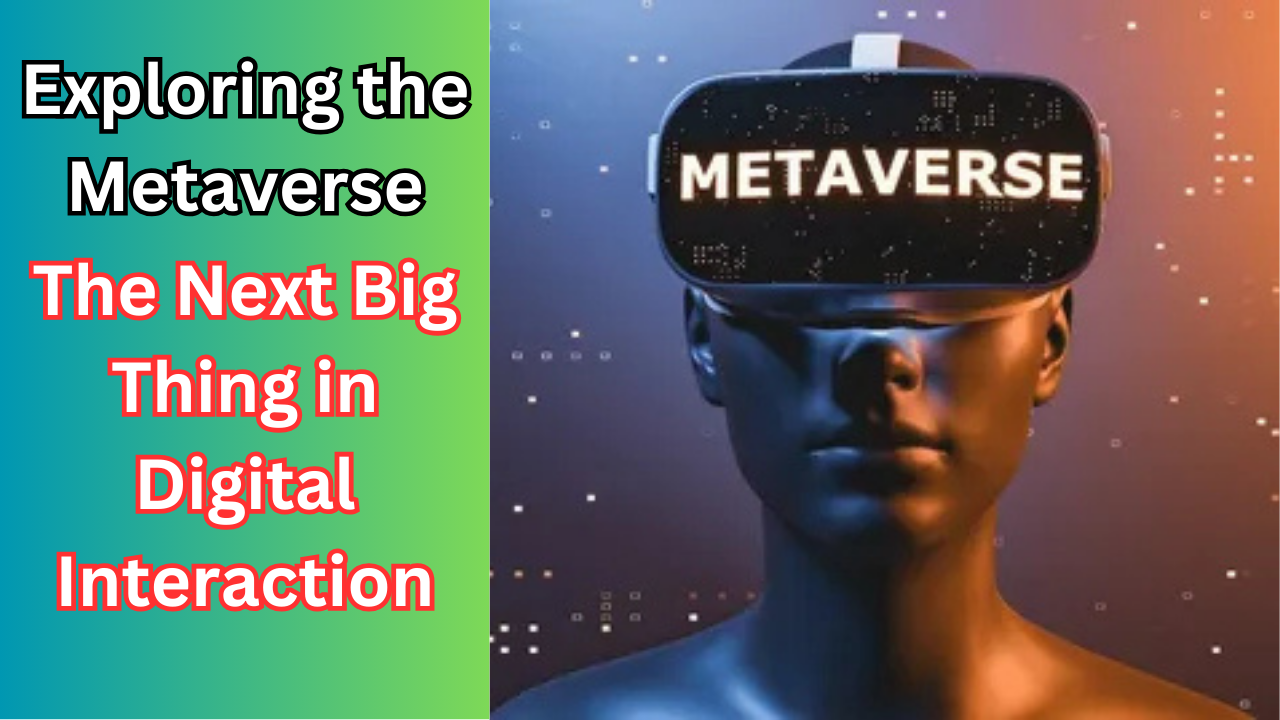
Exploring the Metaverse: The Next Big Thing in Digital Interaction:
The idea of the metaverse has been gaining traction as a ground-breaking digital interaction platform. The metaverse which is frequently defined as a virtual world that combines the real and virtual worlds has the potential to revolutionize how people interact collaborate and have fun. The metaverse is expanding the realm of what is conceivable in the digital world by utilizing technologies like blockchain augmented reality and virtual reality.
Understanding the Foundation of the Metaverse:
Instead of being a single platform the metaverse is a network of linked virtual worlds where users can interact in real time with digital objects and one another. Developments in immersive technologies such as virtual reality (VR) and augmented reality (AR) which produce realistic experiences and blockchain which guarantees safe transactions and digital asset ownership support this vision.
In addition, advancements in 5G connectivity and robust computer systems are essential for enabling access to the metaverse. These technologies make it possible to interact fluidly in incredibly realistic and detailed virtual environments which makes the experience very captivating. Major corporations are making significant investments to develop this digital frontier and the metaverse is changing from a sci-fi idea to a real concept.
The Impact on Social Interactions:
Social interactions are among the most significant changes brought about by the metaverse. Users can connect through virtual spaces in ways that go beyond physical borders. People can make digital personas that reflect who they are which allows them to interact with others virtually go to events and work together on projects.
In addition to providing opportunities for inclusivity, the metaverse enables users with physical limitations to engage in activities that they might not otherwise be able to. The metaverse increases the opportunities for social interaction whether it is through virtual concerts or browsing an online art gallery. However, privacy and digital identity issues also surface highlighting the necessity of careful governance in this developing field.
Revolutionizing Work and Education:
Because the metaverse provides immersive collaborative environments it has the potential to significantly change both work and education. Virtual offices encourage creativity and productivity by allowing remote teams to communicate as though they were in the same physical location. The capability of real-time manipulation of 3D models creates new opportunities for innovation in fields like engineering and architecture.
The metaverse in education produces captivating educational opportunities. In interactive settings that surpass conventional approaches, students can attend lectures perform virtual science experiments or tour historical sites. Learning becomes more efficient and accessible as a result of these advancements that close the gap between theory and practice.
The Emergence of a Digital Economy:
A new digital economy where people can purchase sell and exchange virtual goods and services is being facilitated by the metaverse. A key component of this economy are non-fungible tokens (NFTs) which enable users to own distinctive digital assets like real estate in the metaverse fashion items and artwork.
In the metaverse, entrepreneurs can make money from their creations through virtual marketplaces and decentralized finance (DeFi) platforms. These economic systems blur the boundaries between the real and virtual worlds resulting in a hybrid commerce model that reinterprets conventional business procedures.
Challenges and Ethical Considerations:
Although the metaverse holds great potential it also poses serious challenges and ethical quandaries. Issues like digital addiction data security and access inequality need to be addressed in order to ensure that the metaverse is a safe and inviting place.
Regulation will be essential to strike a balance between accountability and innovation. Governments and organizations must set up structures that safeguard user’s rights and promote an atmosphere that rewards innovation and business ventures. Building sustainability and trust in the metaverse ecosystem will require these actions.
Conclusion:
The metaverse represents a paradigm shift in digital interaction, promising to revolutionize how people connect, work, and experience the world. By combining advanced technologies with innovative ideas, it offers endless possibilities for social, professional, and economic engagement. However, its development must be guided by a commitment to inclusivity, security, and ethical practices.
As we stand on the brink of this digital transformation, the metaverse challenges us to rethink the boundaries of reality and embrace a future where the virtual and physical worlds coexist harmoniously. It is not just the next big thing in digital interaction—it is a glimpse into the limitless potential of human imagination and innovation.
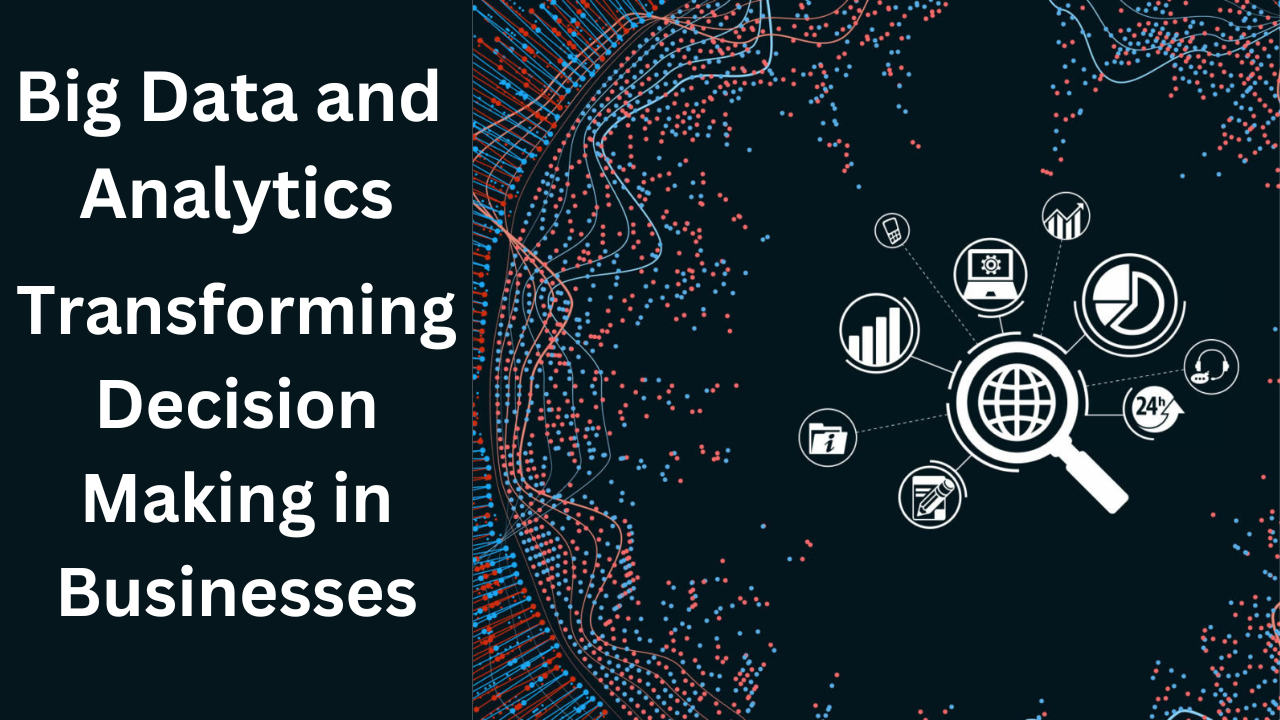
Big Data and Analytics: Transforming Decision-Making in Businesses:
Making well-informed decisions is more important than ever in the fast-paced cutthroat business world of today. Large volumes of data can now be gathered and transformed into actionable insights by businesses thanks to the revolutionary tools known as big data and analytics. Across all industries, these technologies are transforming decision-making processes from comprehending customer behavior to streamlining operations.
Understanding Big Data and Analytics:
Social media customer interactions and Internet of Things devices are just a few of the sources that generate vast amounts of structured and unstructured data which is referred to as big data. . Traditional data processing techniques face difficulties when dealing with this data because of its velocity volume and variety. Using sophisticated tools and methods to glean valuable insights from this data is known as analytics. Businesses can find patterns forecast trends and make data-driven decisions when big data and analytics are combined.
Enhancing Customer Experience:
By improving the customer experience big data and analytics significantly alter decision-making. Companies can provide individualized experiences by analyzing consumer preferences purchase patterns and feedback. E-commerce platforms for instance use analytics to make product recommendations based on a customer’s past purchases and browsing history. In addition to raising customer satisfaction this degree of personalization boosts loyalty and sales.
Additionally, companies can use real-time data to quickly resolve customer issues. Through the examination of social media mentions and reviews businesses can spot problems early on and take proactive measures to address them enhancing their brand and forging closer bonds with clients.
Driving Operational Efficiency:
Optimizing business operations also heavily relies on big data and analytics. Businesses can find inefficiencies and make improvements by examining data from supply chain manufacturing procedures and logistics. For example, predictive analytics can assist manufacturers in anticipating equipment failures and scheduling maintenance before problems occur thereby minimizing downtime and lowering expenses.
Data analytics can help with inventory management in retail by forecasting demand trends and guaranteeing that goods are available when and where consumers need them. By doing this overstocking and understocking are decreased costs are decreased and customer satisfaction is raised.
Facilitating Strategic Decision-Making:
Complexity and uncertainty are frequent features of strategic decisions. By providing evidence-based insights big data and analytics offer a strong basis for these decisions. Companies can analyze market trends weigh risks and spot new opportunities by using predictive models and historical data. For instance, financial institutions use analytics to evaluate credit risks identify fraudulent activity, and improve investment plans.
Additionally, data visualization tools facilitate decision-maker’s comprehension of intricate datasets. Through the use of user-friendly formats like dashboards and graphs, these tools help leaders quickly understand information and confidently make well-informed decisions.
Enabling Innovation and Growth:
Big data and analytics can revolutionize and stimulate innovation. Businesses can find gaps and create new goods or services that address changing demands by examining consumer preferences and market trends. Big data is utilized by the healthcare sector for example to create individualized treatment programs and enhance patient outcomes. Analytical tools are also used by the entertainment sector to produce content that appeals to particular audience segments.
By identifying prospects for expansion big data also promotes growth. Companies can use geographic and demographic data to pinpoint unexplored markets and adjust their approach accordingly. Effective resource allocation is guaranteed by this data-driven strategy which also raises the probability of success.
Addressing Challenges in Big Data and Analytics:
Despite the undeniable advantages of big data and analytics, there are difficulties in putting these technologies into practice. Data security and privacy are important issues since companies need to manage sensitive data sensibly to keep customer’s trust. Complying with laws like the GDPR introduces yet another level of difficulty.
Strong infrastructure and qualified staff are also needed to handle the sheer volume and diversity of data. Integrating big data into their current systems and procedures is a challenge for many organizations. However, by offering scalable and approachable solutions developments in cloud computing and artificial intelligence are assisting companies in overcoming these obstacles.
The Future of Big Data and Analytics in Business:
Big data and analytics are predicted to play an even bigger part in business decision-making. The capabilities of analytics tools are being improved by emerging technologies like blockchain machine learning and artificial intelligence. Businesses can now process data more quickly obtain deeper insights and make more accurate predictions thanks to these advancements.Bottom of Form
Moreover, the rise of the Internet of Things (IoT) is generating new streams of data, opening up unprecedented opportunities for analytics. From smart cities to autonomous vehicles, big data is at the core of transformative advancements that will shape the future.
Conclusion:
Big data and analytics have become indispensable for modern businesses, transforming decision-making processes across all sectors. By leveraging these technologies, companies can enhance customer experiences, improve operational efficiency, drive strategic initiatives, and foster innovation. Despite challenges, the continuous evolution of analytics tools and techniques promises an exciting future for data-driven decision-making. As businesses increasingly embrace big data and analytics, they position themselves to thrive in a competitive and ever-changing world.

Adapting to New Technologies | Help Employees Overcome the Challenge
The rapid pace of technological advancement has revolutionized workplaces, offering tools to boost efficiency, collaboration, and productivity. However, adapting to new technologies can be a daunting challenge for employees, often leading to resistance or frustration. For organizations, successfully integrating these tools requires a well-thought-out strategy to support their workforce. This article looks into practical ways to help employees embrace technological changes while fostering a culture of adaptability.
Challenge Encounters from New Technological Adaptation:
1. The Resistance towards Change:
Changes are usually confronted with resistance to adopting new tools in the system, mainly resulting from fear that it may come and take employees’ jobs, thus, overcoming the resistance often implies direct confrontation about such fears or perceptions.
2. Skill-Based Challenges:
Individual skills can be weak regarding the needed skills to successfully implement new technical tools. Since lack of training can drive workers into frustrations, they easily underperform with productivity.
3. Overcrowded Workforce Ends:
Introducing new technologies alongside existing responsibilities can overwhelm employees, leaving little time to learn and adapt.
4. Communication Breakdowns:
Effective communication on why new technology is being installed and how the staff can benefit will suffer from dismal adoption rates.
Strategies That Can Ease Employees in Adoption of New Technologies:
1. Communicate the Benefits Clearly:
One of the most critical steps is ensuring employees understand the value of the new technology. Highlight how it will:
- Simplify their tasks
- Improve workflow efficiency
- Enhance collaboration
Example: Instead of saying, “We’re switching to a new project management tool,” explain, “This new tool will help streamline your workload and reduce meeting times by 20%.”
2. Provide Comprehensive Training:
Effective training programs are vital for equipping employees with the skills they need. Consider:
- Hands-on workshops: Employees have an opportunity to practice in a controlled environment.
- E-learning modules: An employee is allowed and can take their time learning at their own pace.
- Mentorship programs: Pairing tech-savvy employees with those who need extra support.
3. Growth Mindset:
Create an environment that encourages growth and learning. Teach employees to not fear technology but to see it as a tool for improvement. Use success stories of employees who have improved because of their change to new tools.
4. Gradual Introduction of Technology:
The gradual introduction of technology can help in reducing the overwhelming feeling. Small, manageable changes can be made first and then gradually move on to more complex tools.
5. Continuous Support:
Adapting to technology is not a one-time process. The support should be continuous through help desks, dedicated support teams, and regular check-ins to address concerns and gather feedback.
6. Employee Involvement in Decisions:
Employee involvement in selecting and implementing new technologies ensures that the tools are practical and there is increased buy-in.
Developing a Culture of Flexibility:
To sustain long-term success, organizations must foster an environment in which flexibility is encouraged. This can be done in the following ways:
1. Lead by Example:
Change is fostered through leadership. When leaders are actively embracing and utilizing new technologies, it is more likely that employees will follow.
2. Celebrate Milestones:
Recognize and reward employees for their success in adapting to new technologies. Positive reinforcement continues to encourage involvement.
3. Foster Collaboration:
Encourage teamwork in solving technology-related challenges. Collaborative efforts create camaraderie and shared ownership of success.
The Role of Technology in Business Growth:
Embracing technology is a must for survival in today’s fast-paced world. It allows businesses to:
- Streamline operations
- Enhance customer experiences
- Drive innovation
However, all these benefits will only be realized if employees are fully on board and comfortable with the tools at their disposal.
Conclusion:
Adapting to new technologies is a crucial step for businesses aiming to remain competitive and innovative. By addressing employee concerns, providing comprehensive training, and fostering a culture of adaptability, organizations can ensure a smooth transition. Supporting employees through these changes not only enhances their productivity but also contributes to the overall success of the business in an ever-evolving technological landscape.
FAQs:
1. Why do employees resist new technologies?
Employees may resist due to fear of change, lack of technical skills, or concerns about job security. Clear communication and training can help alleviate these fears.
2. What’s the best way to train employees on new tools?
Combine hands-on workshops, e-learning modules, and mentorship programs to cater to different learning preferences.
3. How can managers encourage technology adoption?
Managers can lead by example, communicate the benefits clearly, and involve employees in decision-making processes.
4. What if employees feel overwhelmed by new technologies?
Introduce changes gradually, offer ongoing support, and ensure workloads are balanced to reduce overwhelm.
5. How do you measure the success of technology adoption?
Monitor productivity metrics, employee feedback, and the overall impact on business operations to evaluate success.
6. Can small businesses afford to implement new technologies?
Yes, many affordable and scalable tools are available, and the long-term benefits often outweigh the initial investment.
Creative Careers | Why They Are Essential for Success in Today’s Job Market
In today’s fast-paced, ever-changing job market, creative careers have become more essential than ever. With the rise of digital platforms, innovation, and the increasing importance of adaptability, employers are actively seeking individuals who can bring fresh ideas, problem-solving skills, and a unique perspective to the table. Creative careers are not just for artists and designers anymore, they have expanded across various industries, offering immense opportunities for professional growth and success.
This article explores why creative careers are crucial for success in the modern job market, highlighting their versatility, demand, and impact on different sectors.
The Growing Importance of Creative Careers:
In today’s job market, creative careers have become very important. Earlier people preferred more traditional jobs, such as office work or manual labor. But now companies want those people who can give new ideas, work in new ways, and can give innovative solutions. The work that is included in the creative careers are designing, writing, content creation, and even game development.
When businesses attract new customers, then they need those people who show their brand in different ways and present their message in a more engaging way. Nowadays, the trend of social media digital platforms has grown, where creative thinking and content are needed.
Therefore, if you have creativity, you can also develop your career in that direction. Such careers are now not just “extra” but have become a necessity.
The Versatility of Creative Skills:
The most important advantage of creative careers is their versatility. Creative professionals possess transferable skills that are valuable across a wide range of industries. These skills include critical thinking, adaptability, and the ability to generate innovative ideas.
Graphic designers and video editors are not just found in advertising but also help in film production, digital media, gaming, and even healthcare where they make educational materials or user-friendly interfaces. Content writers and social media managers are not limited to marketing but can be seen in the education, healthcare, tech, and entertainment sectors as well.
Demand for Creative Roles:
The demand for creative careers is increasing, especially in industries like marketing, technology, entertainment, and e-commerce. Companies are looking for individuals who can create compelling content, design user-friendly experiences, and think outside the box to solve complex problems.
For instance, with growing competition in the marketplace, branding companies seek creative professionals to create a compelling brand narrative and eye-catching advertisements. Even in the tech sector, creative thinkers are required to produce user-friendly interfaces and upgrade the experience of the end-user.
Creativity in Problem Solving:
Creativity is often identified with producing new ideas, but it’s also a useful tool in solving problems. Today’s dynamic job market faces companies with complex challenges, and this calls for innovative solutions. The creative professional approaches a problem from a perspective that many others may have overlooked.
For example, product designers might take feedback from customers to create solutions that better answer the needs of the target. Similarly, marketers who exercise creative thinking might develop campaigns to resonate with consumers, creating brand awareness and increasing sales.
Role of Technology in Creative Careers:
Creative career transforms significantly, owing to the technologies used. Presently, a digital approach toward work opens the doorway for advanced tools like software to create better platforms. Examples of graphic design software applications would be Adobe Photoshop and video editors like Final Cut Pro in editing out video materials, but with their technology, greater creativity will emerge.
This, besides connecting people, has offered a means for creative professionals to get their work out to others. Social media, personal blogs, and online portfolios all provide artists, writers, designers, and other creatives with the ability to reach a global audience and lead to freelance opportunities and remote work.
Creative Careers in the Gig Economy:
This shift of the gig economy into creativity further highlights the relevance of creative careers. Since many have started opting for freelance flexible work, creative professionals have excellent opportunities to thrive. Freelance designers, writers, photographers, and videographers can offer their services to clients from all over the world, giving them the flexibility to choose projects aligned with their interests and expertise.
Creative careers have enabled creatives to market their skills and get clients without the need for a traditional office job. The shift has made creative careers not only a viable career option but also a lucrative one for many people.
Creative Careers Impact on Company Culture:
Creative professionals are also a part of company culture formation. They bring a new approach that can innovate and make teams collaborate more effectively. A creative person inspires, challenges the conventional thinking of people, and encourages his colleagues to think beyond.
Companies that foster creativity in their employees tend to be far more effective in adapting to change, solving problems, and winning over competitors. Creative thinking is the one who can envisage new products, services, and processes that facilitate company growth and evolution.
Creative Careers for a Sustainable Future:
In their quest to be sustainable, creative industries are playing a crucial role in shaping the greener future. Creative professionals play an important role in designing green products, developing green marketing campaigns, and spreading environmental messages.
For instance, the designers are now working on sustainable packaging solutions, and the content creators raise awareness on climate change and sustainability using their platforms. Thus, creative careers contribute not only to economic growth but also to building a better world in terms of sustainability.
How to Pursue a Creative Career:
If you are looking for a career in a creative industry, here is what you do:
- Identify Your Strengths: What do you enjoy doing? It can be writing, designing, or coding; finding out what excites you will lead to the right path.
- Learn and Develop Skills: Keep learning and developing skills with courses, workshops, or a mentor to improve your creative abilities. The more you learn, the more doors open for you.
- Build a Portfolio: Share your work through an online portfolio or social media. This will help potential employers or clients see your skills and creativity.
- Network: Engage with creative communities, attend events, and get in touch with professionals in your field. Networking can open doors to job opportunities and collaborations.
- Stay Adaptable: The creative field is constantly evolving. Keep learning and stay updated on new tools, technologies, and trends to remain competitive.
Conclusion:
Creative careers are essential for success in today’s job market. They offer versatility, demand, and opportunities for personal and professional growth. Whether you’re pursuing a career in design, writing, marketing, or any other creative field, the skills you develop will not only make you a valuable asset to employers but also provide you with the flexibility to adapt to an ever-changing world. As technology continues to advance, the need for creative thinkers will only grow, ensuring that creative careers remain at the forefront of the workforce.
FAQs:
1. What is a creative career?
A creative career involves jobs where imagination and original ideas are key, such as design, writing, and marketing.
2. Why are creative careers important?
They drive innovation, problem-solving, and adaptability, making them essential in various industries.
3. Can creative professionals work remotely?
Yes, many creative professionals, like writers and designers, can work from home or freelance.
4. What skills are needed for a creative career?
Critical thinking, adaptability, communication, and technical skills related to your field are essential.
5. How can I start a creative career?
Identify your passion, develop your skills, build a portfolio, and network to start your creative career.
6. Are creative careers in demand?
Yes, there is a growing demand for creative professionals in marketing, design, tech, and more.

Common Mistakes New Forex Traders Make and How to Avoid Them
One of the most widely used and accessible trading platforms is forex trading also known as the foreign exchange market. It is hardly surprising that so many people are keen to enter the forex market given that the daily trading volume exceeds $6 trillion. Nevertheless, forex trading can be challenging and harsh for novices just like any other financial market. During their trading career novice traders frequently make mistakes that can result in large losses and setbacks. Gaining knowledge of these typical errors and knowing how to steer clear of them is essential to starting a profitable forex trading business.
This guide will look at some of the most common mistakes made by novice traders and provide advice on how to avoid them.
Overtrading and Lack of Patience:
Overtrading is one of the most frequent errors made by novice forex traders. An excessive number of positions taken by a trader frequently motivated by the desire to recover losses or make rapid profits is known as overtrading. In the forex market making decisions based solely on feelings is never a smart idea. The foreign exchange market is extremely erratic and while there may be plenty of opportunities making too many trades in a short amount of time raises the possibility of errors.
To avoid overtrading, it’s essential to set clear trading goals and stick to your plan. Instead of trying to trade every opportunity that comes your way, focus on quality trades that align with your strategy and risk tolerance. Be patient and wait for the right conditions to enter a trade. Developing a disciplined approach to trading is key to long-term success in forex.
Ignoring Risk Management:
Ignoring risk management concepts is another crucial error made by novice traders. Although forex trading has the potential to yield substantial profits it is also a risky activity that can easily result in large losses if risk management is not practiced. Many novice traders start trades without thinking about how much risk they can tolerate or without employing stop-loss orders to safeguard their money. Generally speaking, you should never risk more than 1-2 percent of your trading capital on a single trade. This guarantees that your account will not be destroyed even if a trade goes against you.
Because they automatically close a position if the market moves against you stop-loss orders are crucial for reducing losses. Effective risk management enables you to continue playing the game long enough to gain experience and eventually turn a profit.
Lack of a Trading Plan:
A lack of a well-defined trading plan is another common mistake that many new traders make. Without a plan, it’s easy to trade impulsively and make decisions based on emotions rather than logic. A trading plan includes specific goals, trading strategies, risk management rules, and guidelines for entering and exiting trades.
When you have a trading plan, you can assess market conditions more objectively and avoid acting on emotions such as fear or greed. A plan helps you stay focused on long-term goals rather than short-term fluctuations. Developing a trading plan before you start trading and reviewing it regularly is essential for success.
Chasing Losses:
New forex traders frequently make the costly error of chasing losses. A trader who loses might feel compelled to make another trade right away to make up for the loss. This cycle is risky and has the potential to cause large drawdowns very soon.
Rather than attempting to recover losses right away it is preferable to stand back and assess what went wrong. Reevaluate your trading approach take note of your errors and concentrate on placing well-considered trades rather than racing to recover losses. Remind yourself that trading involves losses the important thing is to learn from them instead of allowing them to control your course of action.
Overleveraging Your Trades:
One tool that enables traders to manage a bigger market position than their account balance would normally permit is leverage. Leverage can boost earnings but it also raises the possibility of suffering significant losses. By taking positions that are too big for their account size novice traders frequently abuse leverage. This can easily result in margin calls in which the broker requests more money to keep the trade open or worse the position being liquidated which would mean large losses. Using leverage carefully is essential to avoiding the risks associated with overleveraging.
Follow a conservative leverage ratio that is appropriate for the size of your account and your level of risk tolerance. You can modify your leverage as you acquire more market knowledge and experience over time. Never forget that using leverage to trade has two sides and the best way to protect your capital is to use it sensibly.
Lack of Consistent Education and Practice:
One cannot become proficient in forex trading overnight. A lot of novice traders underestimate the level of expertise and experience needed to be successful in this market. Without taking the time to adequately educate themselves some people only rely on the counsel and suggestions of others. Some people might dive right into live trading without first honing their skills on a demo account.
Make the effort to study the foundations of forex trading such as technical analysis fundamental analysis and trading psychology to steer clear of this error. Benefit from the books online courses and other free resources that traders have at their disposal. Before using real money to trade you can practice on a demo account to build confidence and hone your tactics without risking your money.
Emotional Trading and Impulsivity:
In forex, emotional trading is one of the most frequent causes of failure. Emotions like fear greed and annoyance frequently affect the decisions made by novice traders. For example, they might rashly trade to make up for a loss. Instead, they might become overconfident and take unwarranted chances after a victory.
Developing discipline and following your trading plan are the keys to avoiding emotional trading. Instead of allowing your emotions to control your behavior concentrate on sticking to your plan and controlling risk. You can track your feelings and choices by keeping a trading journal which will help you spot trends and gradually get better at controlling your emotions.
Conclusion:
Forex trading offers numerous opportunities, but it also comes with significant risks, especially for beginners. By being aware of the common mistakes new traders make and taking steps to avoid them, you can increase your chances of success in the forex market. Remember to trade with patience, manage your risk, and develop a solid plan. Over time, as you gain experience and learn from your mistakes, you will improve your skills and move closer to becoming a successful forex trader. The journey may be challenging, but with the right mindset and approach, you can confidently navigate the complexities of forex trading.