
Key Formula 1 Rule Changes for the 2025 Season
With a Formula 1 rules revolution coming in 2026, focusing on all-new cars, things are more straightforward for the 2025 season as we head to a year of stable regulations. However, there are some important rule changes coming in 2025. Here are the six most important ones to keep an eye on.
1. Fastest Lap Point Removed
Formula 1 has ditched giving out a point for the fastest lap in 2025. This bonus point was reintroduced six years ago to add an extra layer of intrigue to races. Initially part of F1 during the early world championship years (1950-1959), it often resulted in a damp squib, with top drivers using free pit stops to secure the point. The catalyst for this change was Daniel Ricciardo’s fastest lap in the Singapore Grand Prix last year, which took the point away from championship contender Lando Norris. Teams agreed to drop the extra point for 2025.
2. Minimum Weight Increase
F1 cars have been getting heavier in recent seasons due to bigger power units, batteries, and tougher safety requirements. The minimum weight is increasing from 798 kg to 800 kg in 2025. This rule is designed to help heavier drivers by increasing the minimum driver weight allowance from 80 kg to 82 kg, leveling the playing field.
3. New Cooling System
Following problems drivers faced in the heat and humidity of Qatar in 2023, the FIA is introducing a new cooling system for 2025. When conditions exceed 30.5°C, teams must fit a battery-powered cooling vest that pumps coolant around the driver’s body. This system, provided by Chillout Motorsports, uses a special shirt with 48 meters of piping to keep drivers cool. To accommodate this system, the minimum weight of cars will increase by an extra 5 kg in races where the device is used.
4. Flexible Wing Regulations
McLaren’s flexible rear wing design, which reduced drag and boosted speed, led to new regulations for 2025. The slot gap width is reduced from 10-15 mm to 9.4-13 mm, with a maximum of 85 mm when DRS is open. DRS bodywork must be either in the open or closed state, with a transition time of less than 400 milliseconds. Similar tightening applies to flexible front wings, with new stiffness requirements starting from the Spanish Grand Prix.
5. Testing Limitations
For the first time, testing of previous cars (2 to 4 years old) is restricted. Teams are allowed a maximum of 20 days of TPC running over the season, with race drivers limited to 1,000 km over a maximum of 4 days. Young driver practice requirements have also changed, doubling to four outings.
6. Grid Determination Changes
The chaos of the Brazilian Grand Prix last year exposed a gap in the F1 rule book regarding grid determination if qualifying cannot be run. From 2025, if qualifying cannot take place due to exceptional circumstances, the grid will be decided based on the driver’s championship classification. Additionally, the final grid will be drawn up 1 hour before the start of a GP, and cars withdrawn up to 75 minutes before the start will not be included, allowing others to shuffle forward.
Conclusion
The 2025 season brings several important rule changes aimed at improving fairness, safety, and the overall racing experience. From removing the fastest lap point to introducing a new cooling system, these changes are designed to enhance the competition while addressing some of the issues faced in previous seasons.
FAQs
Q1: Why has the fastest lap point been removed in 2025?
A1: The fastest lap point was often secured by top drivers with free pit stops, making it less impactful. The catalyst for its removal was Daniel Ricciardo’s fastest lap in the Singapore Grand Prix, which took the point away from a championship contender.
Q2: What is the new minimum weight for F1 cars in 2025?
A2: The minimum weight is increasing from 798 kg to 800 kg to help level the playing field for heavier drivers, with the minimum driver weight allowance increasing from 80 kg to 82 kg.
Q3: What is the new cooling system being introduced in 2025?
A3: The new cooling system involves a battery-powered cooling vest with 48 meters of piping to keep drivers cool in hot conditions. This system is provided by Chillout Motorsports.
Q4: What changes have been made to the flexible wing regulations?
A4: The slot gap width is reduced, and DRS bodywork must be in either the open or closed state with a transition time of less than 400 milliseconds. New stiffness requirements for front wings are also being implemented.
Q5: How will the grid be determined if qualifying cannot take place in 2025?
A5: If qualifying cannot take place due to exceptional circumstances, the grid will be decided based on the driver’s championship classification.
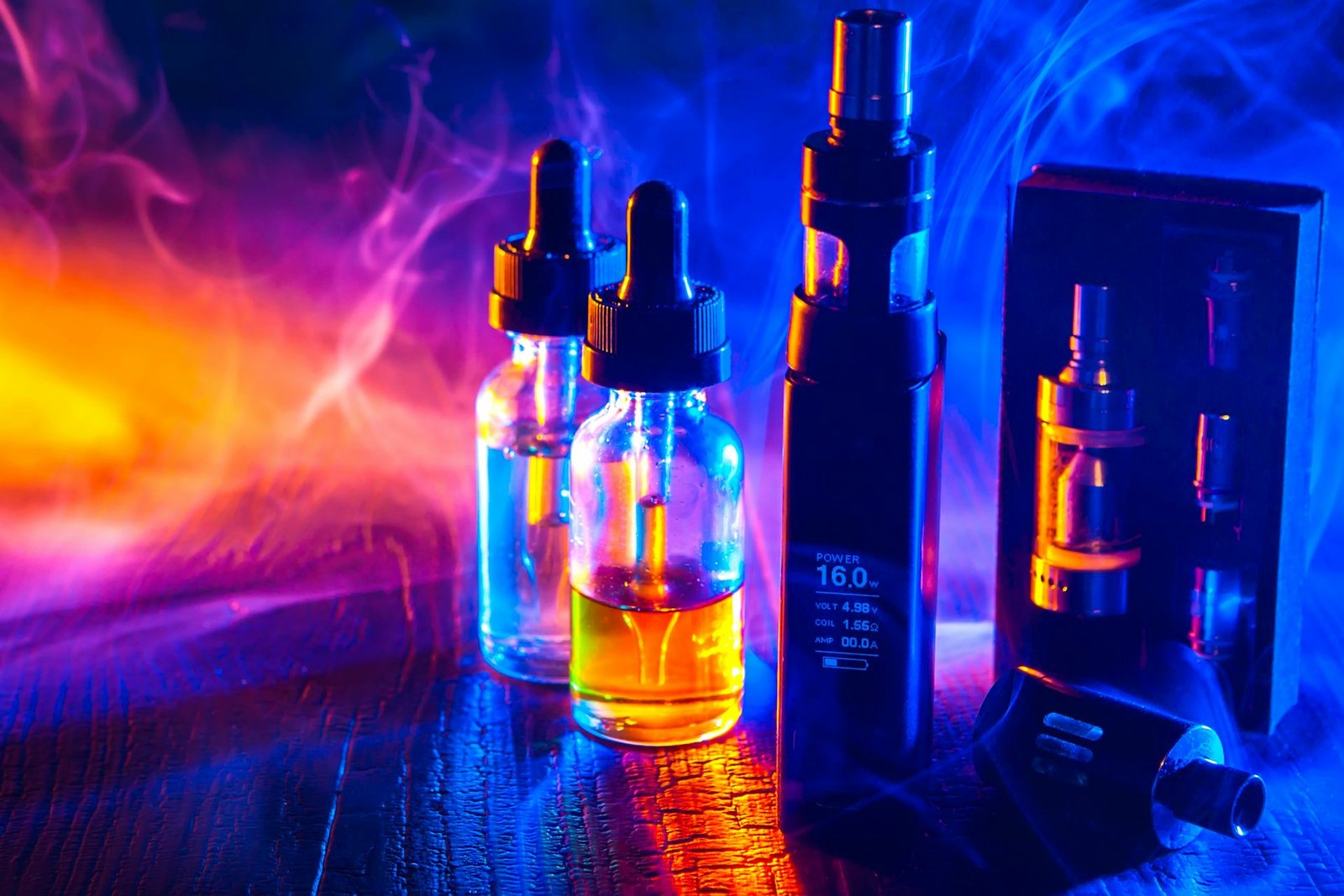
Beginner’s Guide to Vaping | Tutorials, tips, and advice for people new to vaping
Vaping is one of the famous methods of Genz which is an alternative to smoking that is adopted by the modern generation it is the process in which we use electronic devices that contain liquid that is heated by devices and produces a vapor that is inhaled by the user. Unlike traditional cigarettes that burn tobacco to produce nicotine and smoke, vaping devices are combustion-free which makes them less harmful than traditional cigarette
Nowadays the majority of people especially Genz shifted from traditional cigarette smoking to vaping because it is cracked up to be less toxic and in this device flavor and nicotine strength are customized by customer requirements Vaping can be a confusing experience for many beginners as there are so many devices, e-liquids and techniques available in the market. So it is very important to get the right information and guidance so that you do not adopt the wrong products or unhealthy habits.
The purpose of this guide is to provide new vapers with a step-by-step tutorial, which will teach them the basic concepts of vaping, and types of devices and they should be taught how to use them correctly. If you get the right info about vaping so this blog is perfect for you
Understanding Vape Devices and How They Work:
Vaping devices have different types and every device has its unique method of consuming it most of the common devices are RELX MaxGo 22k Pro 18mg Disposable Device pens, pod systems, box mods, and disposable vapes are included. For beginners Pod systems and vape pens are better options because they are easier to use and require less maintenance. Box mods are for more advanced users who want to customize their vaping experience.
Every vaping device has some basic components which are helpful in the operation of the device. It contains a battery that gives power to the devices and a coil that produces heat for liquid which becomes vaporized and contains a tank in which liquid is vaporized and produces smoke. When the battery supplies power to the coil it produces heat for liquid and the liquid converts into vapor or gas that can produce smoke. The liquids of Vaper have a variety of flavors and nicotine strength as per customer need.
If you are starting vaping, it is important to understand which device is best for you and how to use it properly. Choosing the right device and the right e-liquid can make your vaping experience better. It is important for every beginner to take care of the battery safety and coil maintenance of their device so that they can enjoy vaping without any problem.
Step-by-Step Guide to Getting Started with Vaping:
If you want to start vaping, choosing the right device and e-liquid is a must. For beginners, pod systems or vape pens are best because they are simple and user-friendly. First, before you start vaping, charge the device and add the right e-liquid. E-liquid selection is also very important if you are a former smoker, a nicotine salt e-liquid may be best, while low nicotine or nicotine-free e-liquids are better options for non-smokers.
Once you’ve set up the device, it’s important to find the right method. There are generally two ways of vaping: Mouth-to-Lung (MTL) which gives a similar experience to traditional smoking, and Direct-to-Lung (DTL) which produces more vapor. The MTL technique is best for beginners. When inhaling for the first time, take slow and gentle puffs to avoid irritation rather than taking very fast puffs.
If you’re getting a new device, it’s important to keep up with its maintenance too. It’s important to change coils regularly and keep the device clean to avoid any burnt taste or leakage. Proper setup and correct use can make your vaping experience smooth and enjoyable.
Tips for a Smooth Vaping Experience:
If you want to start vaping here are some important tips you should follow So that your experience is good. First of all, it is very important to take proper care of your device. Every day you should check your vaping devices and ensure that your coil of devices is working properly if you experience or feel that the flavor of vape is burnt it’s time to replace your vape coil
Choosing the right E-liquid is very important for the best user experience always use high-quality E-liquid that gives you a better flavor and smoother experience of vaping Liquids with stronger nicotine can be irritating for new vapers, so select the nicotine strength according to your taste and needs. If you are experiencing dry hits or a burnt taste, then either your coil is not soaking properly, or the e-liquid is not sufficient.
Battery and charging safety is important on the other hand never overcharge and only use original chargers. If you are using a rechargeable device, always keep an eye on battery health. If you take care of your vaping devices properly and use the correct vaping techniques then lastly you will experience a smooth and joyful moment of vaping.
Common Myths and Safety Advice for Vapers:
Many myths and misconceptions about vaping can confuse beginners. The most common misconception is that vaping is 100% safe. The truth is that vaping is less harmful than cigarettes, but that doesn’t mean it causes any harm. So, responsible vaping is important.
Another misconception is that vaping and smoking are the same. Vaping does not cause combustion, which makes it less toxic, but the risk of addiction can be reduced if a person uses high-nicotine e-liquids. Therefore, if you are vaping only to quit smoking, it is best to gradually reduce nicotine levels.
Safety is also very important. Never expose the vape device to direct sunlight or extreme heat as this can damage the battery. Before vaping in public places, ensure that vaping is allowed there, as it is not accepted everywhere. Battery safety is also very important if you are using a rechargeable device, use only approved chargers and accessories.
If you are new to vaping, do proper research instead of believing myths and adopt a responsible vaping approach. This is not just a hobby but can also be a lifestyle choice, so it is very important to understand it and follow safety rules.

Everything You Need To Know About Formula One | Race, Rules & Details
An F1 Grand Prix is an absolute festival of excitement and entertainment, taking place over 3 to 4 days, with all the roaring action culminating in the race itself. A traditional Grand Prix weekend starts much sooner than that though, with practice sessions and qualifying rounds setting the stage for the main event.
Practice Sessions
The weekend kicks off with free practice sessions over a couple of days before race day. These sessions give the teams and drivers the chance to learn the track, experiment with conditions, and test different setups and configurations for qualifying and the race.
Qualifying Rounds
After the practice sessions, it’s time for qualifying. This is where all the drivers try to set the fastest possible lap times across three knockout sessions: Q1, Q2, and Q3. The fastest driver to survive all knockouts starts the race from the very front of the grid, or pole position. The other drivers are ordered from qualifying lap time set in the rest of the starting positions for the race.
Formation Lap and Race Start
The cars use a formation lap to line up in their starting or grid positions on the start-finish straight, waiting for the lights to go out and the race to begin. The duration of an F1 race is decided by dividing the Grand Prix distance of 305 km by the length of a single lap and rounding it up to a whole number. The first car to cross the finish line and take the checkered flag wins. Championship points are awarded for all drivers in the top 10, with 25 points for first place and one point for 10th place, plus a point for the fastest lap.
Sprint Race Weekends
Sprint race weekends follow a slightly different format. Teams have only one practice session before the competitive weekend starts with sprint qualifying and a shorter race called the F1 Sprint. The sprint race offers extra points and determines the grid order for Saturday’s sprint. The top eight finishers in a sprint get points, which can be crucial in a tight championship.
Race Start Procedure
Getting an F1 race started successfully is a complex process. Cars are moved from the garages to the grid around 40 to 50 minutes before the race, and drivers place their cars in their grid slots. Mechanics and engineers maintain the cars’ readiness while they sit on the grid. As race start time approaches, the teams return to the garage, the cars roar into life, and the formation lap begins.
Formation Lap
The formation lap is a reduced-speed tour around the circuit, allowing drivers to check all systems, examine conditions, and warm up their tires and brakes before the race start. Proper preparation during the formation lap can significantly impact the race start and opening laps.
Race Start Lights
As the cars return to their starting positions, a green flag is waved to signal readiness. Attention shifts to the start lights above the start-finish line. Five red lights come on one by one and then go out to signal the start of the race.
Aborted Starts and Safety Car
In some cases, a race start may be aborted due to various reasons, such as a car breaking down on the grid, technical issues, or drastic weather changes. If a start is aborted, the cars slowly lap the circuit with no overtaking allowed. In bad weather or reduced visibility, the race may start behind the safety car until it’s deemed safe to race normally.
Flags in F1
Flags are a crucial form of visual communication in F1 racing. Different flags convey key messages to drivers at high speeds.
- Yellow Flag: Incident ahead; reduce speed and prepare to navigate a hazard. No overtaking allowed.
- Double Yellow Flag: Reduce speed significantly or be ready to stop due to a blockage or marshals on track.
- Yellow Flag with Red Stripes: Reduced grip ahead due to oil spillage or water.
- Green Flag: Clear to go racing.
- Red Flag: Slow down immediately, prepare to stop, and return to the pit lane with no overtaking.
- Blue Flag: Faster cars approaching; allow them to pass.
- Black and White Flag: Warning for unsportsmanlike behavior or exceeding track limits.
- Black Flag with Orange Dot: Car damage; return to the pits for repairs.
- Full Black Flag: Driver disqualified; return to the pits immediately.
- Checkered Flag: Signals the end of practice, qualifying, or the race.
Safety Car and Virtual Safety Car (VSC)
The safety car is deployed by the race director when an incident is too serious for flags alone. The safety car enters the circuit, and the first-place car must follow at a reduced speed, with the rest of the pack following behind. Overtaking is not allowed, and drivers must maintain the same speed as the car in front.
A virtual safety car (VSC) neutralizes the race by limiting drivers to a set slower speed and lap time. It preserves gaps between cars and is used when the situation doesn’t warrant a full safety car.
Summary
We’ve covered the basics of F1 Grand Prix weekends, including practice sessions, qualifying rounds, race start procedures, flag meanings, and the roles of the safety car and virtual safety car. Understanding these elements will help you appreciate the complexity and excitement of F1 racing.
FAQs
Q1: What is the purpose of the formation lap in F1?
A1: The formation lap allows drivers to check systems, examine conditions, and warm up tires and brakes before the race start.
Q2: How is the duration of an F1 race determined?
A2: The duration is determined by dividing the Grand Prix distance of 305 km by the length of a single lap and rounding it up to a whole number.
Q3: What is the difference between a safety car and a virtual safety car (VSC)?
A3: The safety car physically enters the circuit to lead the cars at a reduced speed, while the VSC neutralizes the race with a set slower speed limit and lap time without a physical car on track.
Q4: What do different flags mean in F1 racing?
A4: Flags convey messages such as incidents ahead (yellow), reduced grip (yellow with red stripes), clear to race (green), stop immediately (red), faster cars approaching (blue), and more.
Q5: What happens during a sprint race weekend in F1?
A5: Sprint race weekends have one practice session, sprint qualifying, and a shorter F1 sprint race with extra points. The sprint race determines the grid order for the main race.

5 Mechanical Jobs Every Motorcyclist Should Master
Maintaining a motorcycle is as crucial as riding it. Mastering a few essential mechanical skills can save you time, money, and trouble on the road. This guide covers five fundamental mechanical jobs that every motorcyclist should learn, ensuring a smoother and safer journey on two wheels.
1. How to Balance a Wheel
A properly balanced wheel enhances ride quality and reduces wear on your tires and suspension. Here’s what you need to know:
What You’ll Need:
- A wheel stand or DIY tools like car jacks and an axle for low-speed tires.
- Motion Pro wheel weights for precise adjustments.
Steps to Balance a Wheel:
- Set up your wheel on a stand or similar platform to ensure free rotation.
- Rotate the wheel gently and allow the heaviest part to settle at the bottom.
- Apply wheel weights opposite the heaviest section until the wheel rotates evenly.
Pro Tip: Avoid using balancing beads—they can clog valves and cause more harm than good.
2. Mastering Spark Plug Gapping
Proper spark plug gapping is essential for optimal engine performance and fuel efficiency.
What You’ll Need:
- A spark plug gapper.
- Manufacturer-specified measurements (e.g., 0.7–0.8 mm for many bikes).
How to Gap a Spark Plug:
- Use the gapper to gently adjust the ground electrode for the correct gap.
- Avoid excessive force on the center electrode, which is often fragile.
- Double-check your work against the specified gap.
Pro Tip: Use cleaning alcohol to remove oily residues before reinstalling the spark plug.
3. Breaking and Riveting a Chain
A chain breaker and riveter are essential tools for maintaining or replacing a motorcycle chain, especially during emergencies.
What You’ll Need:
- A Motion Pro chain breaker and riveter.
- Spare master links for emergency fixes.
Steps to Break a Chain:
- Assemble the chain breaker and ensure proper alignment over the rivet.
- Apply even pressure using the tool’s crank until the rivet pops out.
Steps to Rivet a Master Link:
- Place the master link into the chain.
- Use the riveter to flatten the hollow rivet heads securely.
- Check for free chain movement and alignment.
Pro Tip: Always carry a spare master link and practice this skill before facing an emergency.
4. Checking Wheel Alignment
Misaligned wheels can cause handling issues and uneven tire wear. Thankfully, wheel alignment is easy to check with simple tools.
What You’ll Need:
- String, a ruler, and tape.
How to Align Wheels:
- Wrap the string around the rear wheel and stretch it toward the front.
- Secure the string around a ruler, matching the width of the rear tire.
- Check the distances between the strings and the front tire on both sides. Adjust the rear axle if the alignment is off.
Pro Tip: Small adjustments at the rear axle can fix significant alignment issues. Take your time to achieve precision.
5. Using a Tire Pressure Gauge
While not explicitly in the script, mastering this simple mechanical check can greatly enhance safety and performance. Always ensure that your tire pressures match the manufacturer’s recommendations to optimize grip, handling, and fuel efficiency.
Conclusion
Learning these five mechanical skills can make a huge difference in your motorcycling experience. They’re not only cost-effective but also help ensure a safer and smoother ride. Practice them in the comfort of your garage before you need them on the road!
FAQs About Motorcycle Maintenance
Q1: Why is wheel balancing important?
Balancing prevents uneven tire wear and improves ride quality, especially at high speeds.
Q2: How often should I check spark plugs?
Inspect spark plugs during routine maintenance or when experiencing performance issues like misfires.
Q3: Is a chain breaker necessary for emergencies?
Yes, it’s invaluable for repairing or replacing a chain during long trips.
Q4: What are signs of wheel misalignment?
Poor handling and uneven tire wear are common indicators of misaligned wheels.
Q5: Should I use balancing beads for tires?
No, they can cause more issues than they solve, such as clogging valves or creating imbalance.

The 6 Levels of Thinking Every Learner Should Master
Introduction
There are six levels or types of thinking that every student or learner of any age should master. Each of these six levels leads to different results. Unfortunately, many students get stuck in the first few levels, causing stress and frustration. By learning to think deliberately at the right level, you can achieve top academic results with confidence.
Level 1: Remember
The first level involves memorizing information, often through repetitive techniques like rereading and flashcards. This level is called “Remember,” and it unlocks level one results, which is “Regurgitate.” This means listing, defining, and stating facts. However, this method is not effective for long-term retention.
Level 2: Understand
The second level focuses on comprehension rather than repetition. This level is called “Understand,” and it unlocks level two results, which is “Explain.” It allows you to answer questions that require explaining concepts or processes. This level is crucial for most assessments up until later in university.
Level 3: Apply
Level three involves using knowledge to solve problems. This is the “Apply” level, where you unlock the ability to solve simple problems directly using learned concepts. This level is essential for fields like math, physics, and coding, where procedural problem-solving is common.
Level 4: Analyze
At level four, you compare and contrast information. This level is called “Analyze,” and it unlocks level four results, which is “Comparison.” Techniques like Venn diagrams, tables, summaries, and mind maps help you see relationships between concepts. This level requires more mental effort but leads to deeper knowledge and stronger memory.
Level 5: Evaluate
Level five is about making judgments and asking why something matters. This level is called “Evaluate,” and it unlocks level five results, which is “Prioritize.” At this level, you form conclusions and justify them. This level requires significant mental effort but is essential for top learners and senior positions in any profession.
Level 6: Create
Level six involves synthesizing new information from what you already know. This level is called “Create,” and it unlocks level six results, which is “Hypothesize.” It is about generating answers for gaps in knowledge. This level is less important for most people unless you are at the highest levels of education or your profession.
The Better Way to Reach Higher Levels
Instead of starting at level one and moving up, start at level five and move down. By focusing on evaluation, you force yourself to understand and analyze information, leading to better memory retention and overall mastery.
Conclusion
Mastering the six levels of thinking can lead to significant academic and professional success. Focus on higher levels of thinking, like evaluating and analyzing, to achieve deeper understanding and long-term retention.
FAQs
Q1: What is the difference between level one and level two thinking?
A: Level one involves memorizing information, while level two focuses on understanding and explaining concepts.
Q2: How can I improve my ability to analyze information?
A: Use techniques like Venn diagrams, tables, summaries, and mind maps to compare and contrast information.
Q3: Why is level five thinking important?
A: Level five involves making judgments and prioritizing information, which is essential for top learners and senior positions.
Q4: How can I reach higher levels of thinking more effectively?
A: Start at level five (Evaluate) and work your way down. This method forces you to understand and analyze information, leading to better memory retention.

Motivation: A Story of Overcoming Adversity
Do you ever wake up in the morning and feel unmotivated? Do you wish you could be as disciplined as the people you see on social media? There’s a powerful idea that can make you motivated every day, used by millionaires, athletes, and high achievers for years. This idea isn’t just about having a positive mindset; it’s about something deeper.
The Story of David: Overcoming Adversity
Life Takes a Turn: David, an 18-year-old high school senior, faced a challenging life. Living with his father and little sister after his mother passed away from cancer, David’s father worked tirelessly to provide for the family. David sought companionship with older kids, who influenced him negatively. His life was heading in the wrong direction until one night, everything changed.
Tragedy Strikes: After returning from a party, David found two police cars in his driveway. His father had been killed while defending their home from burglars. David, now the man of the house, had to figure out a way to care for his sister and himself. He dropped out of school and worked full-time at a local mechanic shop, barely making ends meet.
Seeking a Better Future: Desperate for a better life, David asked his boss for more work. His boss offered a chance to become a mechanic, provided David could prove his skills in a competition. With high stakes, David studied tirelessly, learning everything from a mechanics book and practicing with the car parts he cleaned at work.
The Turning Point:
The Competition: On the day of the competition, David faced experienced mechanics. Despite his efforts, he lost. However, his boss saw David’s potential and determination and offered him a chance to work as an assistant, with the promise of a better future if he could prove himself.
Rising to the Challenge: David became obsessed with learning about cars, dedicating every spare moment to improving his skills. His hard work paid off, and he quickly rose to become one of the head mechanics at the shop, eventually becoming one of the most skilled mechanics in the city.
The Concept of “Burning the Boats”
No Retreat, No Surrender: David’s story exemplifies the concept of “burning the boats,” a term derived from Hernan Cortes’ mission in 1519. Cortes ordered his men to burn their boats upon reaching an island, leaving no option for retreat. This all-or-nothing approach forced them to succeed or die trying. In modern times, burning the boats means fully committing to a goal by removing any safety nets or escape routes.
Applying the Concept to Your Life:
Commit to Your Goals: If you have a dream of starting a business or achieving a particular goal, consider burning the boats. This might mean quitting your job and figuring out how to pay your bills on your own, or refusing financial assistance from parents or friends. The idea is to create a situation where failure is not an option.
Realistic Goals and Caution: This strategy isn’t for everyone and requires careful planning and setting realistic goals. But for some, this level of commitment is necessary to achieve success.
Conclusion:
David’s story is a testament to the power of motivation, hard work, and the concept of burning the boats. By fully committing to your goals and removing any safety nets, you can unlock an inner drive and achieve the success you desire.
FAQs:
What is the concept of burning the boats?
Burning the boats means fully committing to a goal by removing any safety nets or escape routes, forcing yourself to succeed.
How can I apply the concept of burning the boats to my life?
Consider quitting your job or refusing financial assistance to create a situation where failure is not an option. Be sure to set realistic goals and plan carefully.
What motivated David to succeed?
David was motivated by the need to provide for his sister and the memory of his parents. His desperation and eagerness to learn drove him to become a skilled mechanic.
Is the strategy of burning the boats suitable for everyone?
No, this strategy requires careful planning and setting realistic goals. It works for those who need a high level of commitment to achieve their goals.

5 Steps to Go from Average to Fortune
I was just going over the latest issue of our new magazine called “The Achiever.” Well, thank you for taking the time to spend just a few minutes with me today. I have a very interesting subject: “Five Simple Steps to Go from Average to Fortune.”
My Modest Beginnings
My life started out rather modestly up in farm country in Idaho, where I was raised. I grew up in this little community of some four or five thousand people. After high school, I went to college for a year and a half and then I quit, deciding I was smart enough and got a job to see if I couldn’t make all of my ambitions come true.
Struggles and Questions
A couple of years after I left school, I found a very beautiful young lady and persuaded her to marry me. But two or three years after getting married, it didn’t look like my new bride had made such a wise decision. I was behind on my bills and struggling to figure out what to do. Should I go back to school? Start a business? I needed answers on how to become successful and turn my life around.
The Turning Point
At age 25, good fortune came my way when I met a remarkable man, Mr. Earl Shof. He was a businessman and entrepreneur who took a liking to me, hired me, and shared his philosophy, which turned my life around. The best thing Mr. Shof gave me was not a job, but the benefit of his philosophy.
Sharing My Journey
About 17 years ago, I decided to share the ideas that had worked so well for me. I put all the material together and started giving lectures and seminars. Over the last six or seven years, I’ve had the opportunity to travel around the world, sharing ideas on how to improve one’s life personally, socially, and economically.
Step 1: Get Serious
To go from average to fortune, you must get serious about two things:
- Setting Goals: Define what you want to achieve economically and personally in the next five to ten years.
- Personal Development: Strive hard to become the kind of person you want to be.
Step 2: Get Smart
To make your life worthwhile, you must have some ideas and information. You need to be smarter than you were in the last decade. Read books, learn from experiences, and gather information to become wiser each year.
Step 3: Get Going
All the things that you’ve learned will not do you much good if you don’t put them into an action plan. You need to:
- Design Your Days: Plan your days, weeks, and months to ensure you take proper actions for desired returns.
- Economic, Social, and Personal Actions: Implement what you’ve learned to see real results.
Step 4: Get Excited
Not just false enthusiasm, but genuine excitement about:
- Your Potential: Believe in your ability to make necessary changes.
- Positive Acts: Commit acts that are constructive and beneficial for your life.
Step 5: Get Away
Life balance is crucial. Learn to:
- Reflect and Recharge: Spend time alone to reflect on life and recharge.
- Live Well: Balance earning with living well and enjoying life.
Conclusion: So those are the five simple steps to go from average to fortune: get serious, get smart, get going, get excited, and get away. I hope these points will be valuable as you consider them. Thank you for giving me a few minutes of your time.
FAQs
Q1: How long should I spend on personal development each day?
It varies, but even dedicating 30 minutes a day can lead to significant improvement over time.
Q2: How do I set realistic goals?
Break your goals into smaller, manageable tasks and set deadlines for each.
Q3: How can I stay motivated to take action?
Find your “why” – your personal reason for wanting to achieve your goals – and remind yourself of it regularly.
Q4: What if I fail to balance my life?
It’s okay to stumble. The key is to recognize the imbalance and take corrective steps to realign.
Q5: How do I get started with these steps?
Start with one step at a time. Begin with setting goals, and gradually incorporate the other steps into your routine.