
Building Confidence | Overcoming Hesitation in Trading
As traders, we often hesitate when it comes to executing trades. This hesitation is usually due to a lack of confidence. You might see a stock breaking out of a key level and plan to enter the trade, but when the moment comes, you don’t execute and miss out on potential profits. In this post, we’ll break down how to overcome hesitation and position yourself to avoid it.
Why Do We Hesitate?
Hesitation often stems from the fear of losing money and a lack of confidence in our trading strategy. This can disrupt your overall trading performance and lead to missed opportunities.
Step 1: Size Down to Build Confidence
One effective way to overcome hesitation is to size down. By reducing your risk per trade, you can build confidence without the fear of significant losses.
Example:
- Current Risk Amount: $200 per trade
- New Risk Amount: $50 or $100 per trade
Reducing your risk allows you to focus on building confidence without the emotional burden of potentially losing a larger amount of money.
Step 2: Focus on Execution
When you size down, the fear of losing a significant amount of money is reduced. This makes your execution cleaner and faster since the mental weight is eliminated. Your primary focus becomes executing the trade based on your strategy.
Step 3: Track and Analyze Your Trades
Always track and monitor your trades. By analyzing your trades, you can identify patterns and improve your strategy.
Example:
- Out of 10 Trades:
- Successful Trades: 6
- Losing Trades: 4
- Average Loss: $40 per losing trade
- Average Gain: $100 per successful trade
With proper risk management, you can still be profitable even if you’re only successful 40-50% of the time.
Step 4: Gradually Increase Risk
Once you’ve built confidence and consistency, gradually increase your risk. Start from $50, move to $100, and eventually return to your original risk amount of $200. This gradual increase helps maintain confidence while testing your strategy.
Conclusion
By sizing down, focusing on execution, tracking your trades, and gradually increasing risk, you can overcome hesitation and build confidence in your trading strategy. This method helps you understand the game better and improves your overall trading performance.
FAQs
Q1: Why do traders hesitate?
Traders hesitate due to a lack of confidence and fear of losing money. This can disrupt overall trading performance and lead to missed opportunities.
Q2: How can sizing down help overcome hesitation?
Sizing down reduces the emotional burden of losing a significant amount of money, making execution cleaner and faster. It helps build confidence in your trading strategy.
Q3: Why is tracking and analyzing trades important?
Tracking and analyzing trades help identify patterns, improve strategy, and ensure proper risk management. It allows you to see what works and what doesn’t.
Q4: How should I gradually increase my risk?
Start by reducing your risk amount, build confidence, and then gradually increase your risk in increments. This helps maintain confidence while testing your strategy.

13 Things To Avoid If You Want To Become Rich
Many people struggle financially and think they can’t become rich due to lack of money, capital, the right idea, or connections. However, what holds most people back is ego. Here are 13 egos that you need to recognize and avoid if you want to achieve financial success.
1. The Blame Ego
Taking Responsibility: Lame people blame others. They blame the government, the economy, their co-workers, or their families for their financial situation. Remember, when you point a finger at someone else, three fingers are pointing back at you. Take responsibility for your actions and circumstances.
2. The Know-It-All Ego
Embracing Learning: Thinking you know everything and refusing to read books or learn new things can hold you back. The definition of insanity is doing the same thing repeatedly and expecting different results. Embrace continuous learning and growth.
3. The Fearful Ego
Overcoming Fear: Fear of success, failure, or making mistakes can paralyze you. Fear is often just false evidence appearing real. Don’t let fear hold you back from taking action and pursuing your goals.
4. The Comfort Zone Ego
Stepping Out of Comfort: Being too comfortable can lead to complacency. Your income zone is your comfort zone. To grow and achieve success, you need to step out of your comfort zone and embrace challenges.
5. The Judgmental Ego
Avoiding Judgments: Judging others based on their success or possessions only reflects your own insecurities. Focus on your own journey and avoid making negative assumptions about others.
6. The Excuses Ego
Taking Action: You can make money or make excuses, but not both. Excuses are well-planned lies that prevent you from taking action. Instead of saying “I can’t,” find reasons why you must do something.
7. The People Pleasing Ego
Putting Yourself First: While it’s important to care for others, you also need to prioritize yourself. Sometimes you have to be a little selfish to be generous. Put on your own oxygen mask first before helping others.
8. The Justification Ego
Avoiding Justifications: Justifying why you can’t do something only holds you back. Use your circumstances as motivation, not excuses. Stop justifying failures and take action towards your goals.
9. The Jealous Ego
Embracing Growth: Jealousy towards others’ success can hinder your own progress. Instead of criticizing, focus on your own growth and achievements.
10. The Fake Ego
Being Authentic: Putting on a facade or pretending to be someone you’re not can lead to confusion and lack of trust. Be genuine and authentic in all your interactions.
11. The Shy Ego
Overcoming Shyness: Using shyness as an excuse to avoid stepping out of your comfort zone can limit your success. Embrace opportunities to grow and connect with others.
12. The Other People’s Opinions Ego
Ignoring Critics: Worrying about what others think can prevent you from taking the right actions. Focus on your goals and ignore negative opinions from others.
13. The Do-It-Yourself Ego
Trusting Others: Believing that you must do everything yourself and not trusting others can hinder your progress. Great accomplishments require teamwork and collaboration.
Conclusion:
Recognize and eliminate these 13 egos from your life to achieve financial success. By being self-aware and addressing these egos, you can unlock your true potential and reach your goals.
FAQs:
What is the most common ego that holds people back from becoming rich?
The do-it-yourself ego is one of the most common egos that holds people back, as it prevents collaboration and teamwork.
How can I overcome the fear of failure?
Recognize that fear is often just false evidence appearing real. Focus on taking action and learning from mistakes rather than being paralyzed by fear.
Why is it important to avoid judging others?
Judging others reflects your own insecurities and distracts you from your own journey. Focus on your growth and avoid making negative assumptions.
How can I stop justifying my failures?
Use your circumstances as motivation to take action. Stop making excuses and focus on finding reasons why you must achieve your goals.

Reprogram your brain (it only takes 7 days)
Most people wake up in the morning and start thinking about their problems. These problems are connected to certain memories, which in turn are linked to specific people and events. Your brain works like an old tape recorder, replaying the same cassette over and over every day. If your brain is a record of the past, then starting your day means you’re already living in the past.
The Cycle of Thoughts and Emotions
Each memory you recall has an emotion attached to it. Emotions are the final product of past experiences. The moment you remember a problem, you feel unhappy, sad, or in pain. How you think and feel creates your state of being and, in other words, your character.
Impact on Your Life:
- If your state of being is in the past, your past will eventually become your future.
- Example: If something made you angry yesterday and you think about it today, you feel angry again. Over time, this anger becomes part of your character.
The Routine Trap
Your daily routine becomes a program that runs your life. From checking your phone in the morning to interacting with the same people at work, this routine takes over. By the age of 35, 95% of who we are is a memorized set of behaviors, emotional reactions, unconscious habits, and beliefs.
Conscious vs. Subconscious:
- Your 5% conscious mind wants to be healthy, happy, and free.
- Your 95% subconscious mind runs on a different program, making change difficult.
The Role of Meditation
To make changes, you need to get beyond the analytical mind, which separates the conscious from the subconscious. Meditation helps you change your brain waves, slowing them down, and allows you to enter the operating system where you can make fundamental changes.
Joe Dispenza’s Message:
- Most people wait for a crisis to start changing.
- You can learn and change in a state of joy and inspiration, not just pain and suffering.
Living in Survival Mode
Many people spend 70% of their lives in survival mode, living in stress and anticipating the worst-case scenario based on past experiences. They choose negative outcomes from the infinite potential in the quantum field, constantly recreating negative emotional states.
Body and Mind:
- Your body doesn’t know the difference between a real and imagined event. It reacts the same way.
- The body is stronger than the mind, conditioned to negative emotions for years.
The Unknown and Change
Entering the unknown is like stepping into a deep river. The body resists change, preferring the familiarity of guilt and suffering. Meditation helps you step into the unknown, where you can create your future.
Creating Your Future:
- Mentally close your eyes and rehearse the behaviors and life you want.
- The brain doesn’t know the difference between imagination and real experience.
- Install software programs of your future life through active imagination.
Feeling the Future
The hardest part is teaching your body emotionally what the future will feel like ahead of the actual experience. Simply imagining it isn’t enough; you need to feel it in your body. Thoughts are the language of the brain, while feelings are the language of the body.
Connecting to Your Future
The moment you start feeling the emotions of your thoughts, you are connected to the “internet” of your future life. This means you no longer need to wait for success to feel successful, for wealth to feel abundant, or for a relationship to feel love. According to the quantum model of reality, feeling abundant and worthy generates wealth and steps you toward your future.
Becoming the Creator of Your Future:
- Stop living as a victim of negative thoughts.
- Realize that having a thought doesn’t make it true.
- On average, you think 60,000 to 70,000 thoughts a day, with 90% being the same as the previous day.
The Importance of Meditation
Meditation helps you become aware of your thoughts, behaviors, and emotions. By becoming familiar with your old self, you can start thinking new thoughts and conditioning your body into a new emotional state.
Creating a New Self:
- Meditating is like preparing a garden: remove weeds, rocks, and old plants before planting new seeds.
- Training your body to sit and meditate is like training a wild animal: it takes time and persistence.
Liberating Your Energy
Every time you bring your attention to the present moment during meditation, you tell your body it’s no longer the mind. Over time, the body will obey, and you’ll free yourself from the chains of past emotions.
Seeing the Changes:
- Just 7 days of meditation can show differences in your life.
- You’ll catch yourself more often and avoid reverting to old, negative behaviors.
Conclusion
By practicing meditation and connecting to your future self, you can break free from the past and create a new future. This process requires persistence and patience, but the rewards are immense.
FAQs
Q1: What is the main idea behind meditation and changing your future?
Meditation helps you become aware of your thoughts and emotions, allowing you to create a new self by conditioning your body into a new emotional state.
Q2: How long does it take to see changes with meditation?
You can start seeing differences in your life within just 7 days of consistent meditation practice.
Q3: Why is it important to feel the emotions of your future?
Feeling the emotions of your future helps your body understand and connect with your thoughts, making it easier to manifest your desired reality.
Q4: How can I stop living as a victim of my negative thoughts?
Realize that having a thought doesn’t make it true, and practice meditation to become more aware of your thoughts and behaviors.
Q5: What is the significance of the quantum model of reality?
According to the quantum model, the moment you start feeling abundant and worthy, you are generating wealth and stepping toward your future.

Handling Financial Stress | Tips for maintaining financial well-being:
In today’s fast-paced world, financial stress is the most common issue, and it is not limited to insufficient money but also affects our mental and physical health deeply. Worrying about our financial situation can impact our sleep, relationships, and even work performance.
However, good financial arrangements are not only for the rich. Everyone can improve their financial well-being if they adopt the right methods. In this blog, we will discuss ways to understand financial stress and find solutions to it. It is not just a matter of budgeting or saving-it is also important to develop a strong financial mindset.
If you also want to reduce your financial tension and want to move towards a better financial goal, then this blog can prove to be very helpful for you. Let’s start this journey.
Understanding Financial Stress:
Financial stress is one of the worries that will be recognized when you want to buy essential items or remain tense regarding the repayment of the loan. It is just not limited to lack of money Rather, inflation, job insecurity, unexpected expenses or lack of financial planning can also be the cause of this. When a person feels that his income is not sufficient to meet his expenses, this increases stress and has a bad effect on mental and physical health.
Often people suffer from anxiety, tension, and depression due to financial stress. This stress also affects a person’s sleep and one feels restless and irritable all the time. Some people choose to distance themselves from social life due to this reason, while some vent their anger on their family members or friends. This stress can also harm professional life because when the mind is under tension of money all the time, it becomes difficult to focus on work.
The biggest reason for financial stress is pointless expenditure. When a person spends money without any budget and the burden of debt increases, then a time comes when he has to face financial instability. Similarly, if there is no confidence in someone’s job or the source of income is weak, then he always remains under tension regarding money. Sudden medical or emergency expenses also increase financial stress.
Practical Tips for Managing Financial Stress:
The first step to managing financial stress is to understand your financial situation and take better steps on it. First of all, it is very important to make a realistic budget. Unless you keep a complete account of your income and expenditure, it will be difficult to achieve financial control. Segregate your essential and non-essential expenses and try to reduce unnecessary expenses. Often people spend money on small things which together become a big financial burden, so it is important to keep account of every rupee.
Another important step is to create an emergency fund. Many people get stressed during emergencies because they don’t have a backup plan. You can start with a small amount but start saving a little money every month so that whenever an emergency arises, you can handle it easily. Apart from this, if you have a debt burden, it is important to create a strategy to manage it. Using methods like debt snowball or debt avalanche can gradually reduce the debt burden.
If financial stress is too much, you should also explore ways to increase your income. Side hustles, freelancing, or finding better job opportunities by learning a new skill can be good strategies. Nowadays there are many ways of earning online which can help reduce financial stress.
The most important thing is to develop a healthy financial mindset. Financial problems are solved not just by saving or earning money, but also by adopting a better way of thinking. Improve your financial literacy, try to learn about new investments and saving plans, and if needed, do not hesitate to seek advice from a financial expert. When you start gaining control over your money, the stress around you starts reducing and you start feeling more relaxed and financially stable.
Developing a Healthy Financial Mindset:
The most important thing to get out of financial stress and improve your financial life is to develop a strong financial mindset. As long as you think of money as just a tension or issue, financial problems can go away. But if you look at money as a tool that can improve your life, then you will be able to make financial decisions in a better way.
First of all, you need to change your thinking. Most people consider money as just a tool for income and expenditure, but the fact is that financial success is a result of a mindset. Instead of worrying all the time, you should focus on finding solutions to your financial problems. A positive and proactive approach can lead you towards financial growth.
Another important thing is financial literacy. Unless you understand the ways of earning, saving, investing, and budgeting money, it will be difficult to get out of financial stress. Therefore, focus on your financial education, learn about new saving plans and investments, and try to make your financial decisions better.
You also have to take stock of your spending habits. Often people fall prey to financial stress due to emotional spending or impulsive shopping. Whenever you are thinking of buying something, think about whether it is necessary or just for temporary pleasure. The best way of budgeting is to set your priorities and spend money only on those things that are according to your purpose.
Another important part of a self-reliant financial mindset is to start thinking about your future. Instead of focusing on today’s issues, focus on long-term planning. Build an emergency fund, save for retirement, and set financial goals. When you are disciplined in matters of money, gradually financial security increases and stress reduces.
In the end, the most important thing is that you trust yourself and have faith in your financial growth. Financial problems are solved not just by earning more money, but also by better thinking and better planning. When you adopt a positive and responsible approach, you will not only improve your financial health but also enjoy a much better and more peaceful life.
Conclusion:
Financial stress can have a significant impact on our mental and physical well-being, but it is not an insurmountable problem. By adopting practical strategies such as creating a realistic budget, building an emergency fund, and managing debt effectively, we can improve our financial situation. Additionally, developing a healthy financial mindset and increasing financial literacy are crucial steps towards reducing financial stress. It is essential to approach financial issues with a positive and proactive attitude, focusing on long-term planning and responsible spending. Remember, financial well-being is achievable for everyone with the right mindset and methods. By taking control of our finances, we can lead a more relaxed and financially stable life.
FAQs:
- What is financial stress?
Financial stress refers to the anxiety and worry caused by financial challenges such as insufficient income, debt, job insecurity, and unexpected expenses. It can negatively affect mental and physical health, relationships, and work performance.
- How can I create a realistic budget?
To create a realistic budget, track your income and expenses, categorize them into essential and non-essential items, and prioritize reducing unnecessary spending. This helps you gain control over your finances and make informed decisions.
- What is an emergency fund, and why is it important?
An emergency fund is a savings account specifically set aside for unexpected expenses such as medical emergencies, car repairs, or job loss. It provides a financial safety net and helps reduce stress during unforeseen situations.
- How can I manage my debt effectively?
Effective debt management involves creating a strategy, such as the debt snowball or debt avalanche method, to gradually pay off debts. Prioritize high-interest debts and make consistent payments to reduce the overall burden.
- How can I improve my financial mindset?
Improving your financial mindset involves viewing money as a tool for achieving life goals rather than a source of stress. Focus on financial education, responsible spending, long-term planning, and seeking professional advice when needed. This proactive approach can lead to better financial decisions and reduced stress.
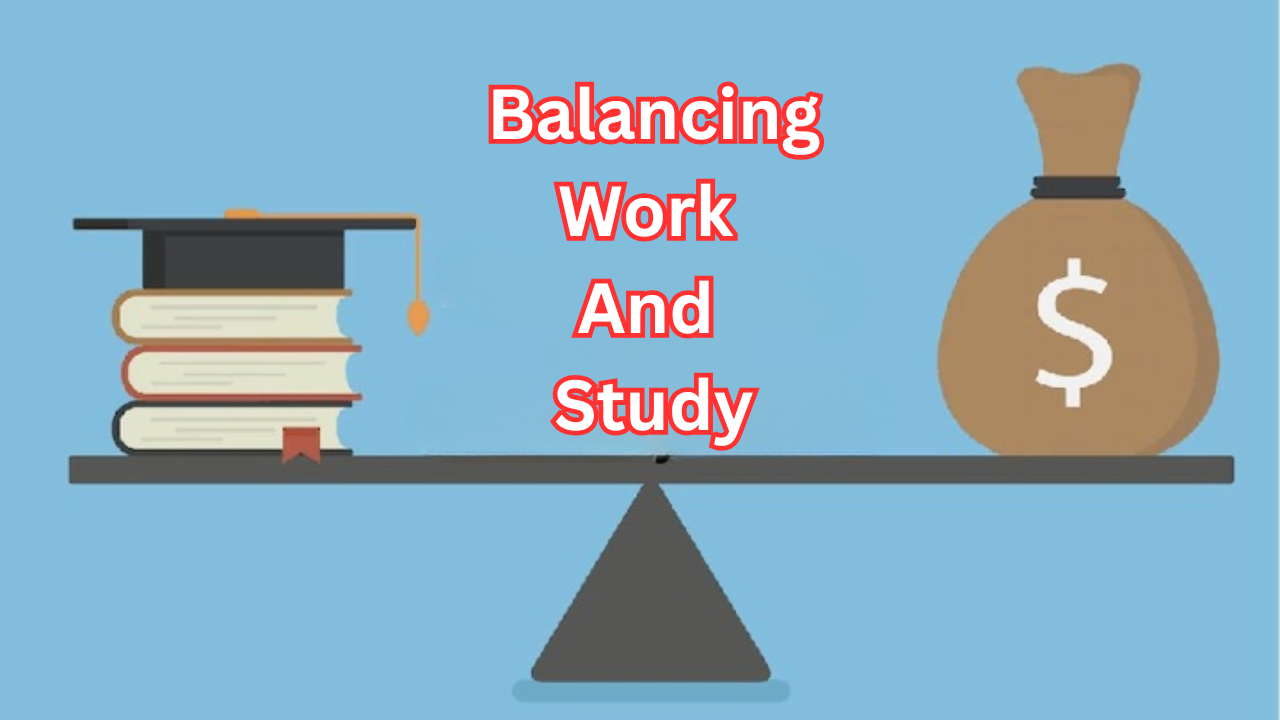
Balancing Work and Study | Tips for Online College Students:
In today’s fast-paced world, many individuals choose to pursue higher education while working simultaneously. The rise of online college programs has made it more feasible for students to balance work and study. However, managing these two significant responsibilities can be challenging and requires careful planning, discipline, and effective time management. In this blog, we will explore various tips and strategies that can help online college students successfully balance their work and academic commitments.
Establishing a Structured Schedule:
One of the most crucial aspects of balancing work and study is establishing a structured schedule. Creating a well-organized plan that outlines your work hours, class schedules, study sessions, and personal time is essential. Use tools such as calendars, planners, and scheduling apps to keep track of your commitments and deadlines. Prioritize your tasks based on their importance and deadlines, and allocate specific time slots for each activity.
When creating your schedule, consider your peak productivity times. Identify the times of day when you are most alert and focused, and allocate these periods for studying or completing important tasks. By establishing a structured schedule and sticking to it, you can ensure that you manage your time effectively and avoid last-minute cramming or missed deadlines.
Setting Realistic Goals:
Setting realistic and achievable goals is essential for maintaining balance between work and study. Break down your academic and work-related tasks into smaller, manageable steps, and set specific deadlines for each task. This approach helps you stay focused and motivated, and prevents you from feeling overwhelmed by large projects or assignments.
Additionally, it is important to be honest with yourself about your limitations and capacity. Avoid overcommitting to work or academic responsibilities, and ensure that you have enough time for self-care and relaxation. By setting realistic goals and maintaining a balanced approach, you can achieve your objectives without compromising your well-being.
Effective Time Management:
Effective time management is key to balancing work and study. Start by identifying your most time-consuming tasks and finding ways to streamline or delegate them. For example, if you have repetitive work tasks, consider using automation tools or seeking assistance from colleagues. Similarly, for academic tasks, focus on efficient study techniques, such as active reading, note-taking, and summarizing key points.
Another important aspect of time management is minimizing distractions. Create a conducive study environment by finding a quiet space, turning off notifications, and setting boundaries with family or roommates. Use techniques such as the Pomodoro Technique, which involves working in focused intervals with short breaks in between, to maintain productivity and avoid burnout.
Leveraging Technology and Resources:
Online college students have access to a wide range of technology and resources that can enhance their learning experience and improve time management. Take advantage of online tools and platforms that facilitate communication, collaboration, and organization. Use learning management systems (LMS) to access course materials, submit assignments, and participate in discussions.
Additionally, explore digital resources such as e-books, online libraries, and educational websites to supplement your learning. Online tutoring services and study groups can provide valuable support and help you stay on track with your coursework. By leveraging technology and resources, you can streamline your academic tasks and make the most of your study time.
Communication and Support:
Maintaining open communication with your employers, professors, and peers is crucial for balancing work and study. Inform your employer about your academic commitments and seek their support in managing your work schedule. Many employers are willing to offer flexible hours or remote work options to accommodate your studies.
Similarly, communicate with your professors about your work commitments and seek their understanding and support. If you encounter challenges or conflicts, do not hesitate to reach out to them for assistance or extensions. Building a strong support network with your peers can also provide motivation, accountability, and valuable insights.
Self-Care and Stress Management:
Balancing work and study can be demanding, and it is essential to prioritize self-care and stress management. Make time for regular exercise, healthy meals, and sufficient sleep to maintain your physical and mental well-being. Incorporate relaxation techniques such as meditation, deep breathing, or yoga into your daily routine to reduce stress and promote relaxation.
It is also important to set boundaries and avoid overworking yourself. Schedule regular breaks and downtime to recharge and prevent burnout. Engage in activities that bring you joy and help you unwind, such as hobbies, spending time with loved ones, or pursuing creative interests. By prioritizing self-care and managing stress effectively, you can maintain a healthy balance and stay focused on your goals.
Staying Motivated and Focused:
Staying motivated and focused is essential for successfully balancing work and study. Set clear and meaningful goals that align with your long-term aspirations and remind yourself of the reasons why you chose to pursue both work and education. Celebrate your achievements, no matter how small, to stay motivated and maintain a positive mindset.
Create a conducive study environment that minimizes distractions and enhances concentration. Use techniques such as goal-setting, visualization, and positive affirmations to stay focused and motivated. Seek support from family, friends, and mentors who can encourage you and provide guidance when needed.
Conclusion:
In conclusion, balancing work and study as an online college student requires careful planning, effective time management, and a proactive approach to self-care and stress management. By establishing a structured schedule, setting realistic goals, leveraging technology and resources, maintaining open communication, and prioritizing self-care, students can successfully navigate the challenges of balancing work and academic commitments. With the right strategies and mindset, online college students can achieve their goals and make the most of their educational and professional opportunities.
FAQs:
- Why is establishing a structured schedule important for balancing work and study?
Establishing a structured schedule helps manage time effectively, ensuring that you allocate sufficient time for work, study, and personal activities while avoiding last-minute cramming or missed deadlines.
2. How can setting realistic goals help in balancing work and study?
Setting realistic goals prevents feeling overwhelmed, keeps you focused and motivated, and ensures that you maintain a balanced approach without compromising your well-being.
3. What role does effective time management play in balancing work and study?
Effective time management involves streamlining tasks, minimizing distractions, and maintaining productivity through focused intervals, helping you manage both work and academic responsibilities efficiently.
4. How can leveraging technology and resources benefit online college students?
Leveraging technology and resources enhances learning, improves organization, and facilitates communication and collaboration, helping students make the most of their study time and academic experience.
5.Why is self-care and stress management important for online college students?
Prioritizing self-care and stress management helps maintain physical and mental well-being, prevents burnout, and ensures that students can stay focused and motivated while balancing work and study.
Living Below Your Means | Smart Strategies for a Frugal Lifestyle:
Living below your means is not just about cutting corners or sacrificing enjoyment; it’s about making mindful choices that align with your long-term financial goals. Adopting a frugal lifestyle can help you achieve financial stability, reduce stress, and create a cushion for unexpected expenses. By prioritizing needs over wants and finding creative ways to save, you can build a sustainable budget that allows you to live comfortably while still saving for the future. This guide will explore practical strategies for living below your means, from budgeting and mindful spending to reducing debt and investing in your financial well-being.
Whether you’re looking to save for a big purchase, pay off loans, or simply want to adopt a more minimalist approach to life, these smart strategies will empower you to take control of your finances and lead a more fulfilling, frugal life. Embracing frugality doesn’t mean depriving yourself; it means making thoughtful decisions that enhance your quality of life without breaking the bank. Let’s embark on this journey towards financial freedom and discover how living below your means can bring greater peace of mind and security.
Understanding the Concept of Spending Less Than You Earn:
Spending less than your income is a financial strategy that involves spending less than you earn and putting the extra money into savings or investments. This lifestyle not only provides financial stability but also protects you from unnecessary financial stress.
This does not mean that you should compromise on your needs or quality of life, but rather manage your expenses wisely. Creating a budget, avoiding unnecessary purchases, and prioritizing savings are the basic principles of this strategy. If you follow this principle, you can achieve financial independence and peace of mind in the future.
Why Frugal Living Doesn’t Mean Deprivation:
Frugal living does not mean poverty or penury. It is a way of living an intelligent life in which you use your money wisely. Frugality does not mean that you are deprived of everything, rather it means that you understand the difference between your needs and desires and spend money on really important things.
If you adopt a frugal life, it does not mean that you cannot enjoy good things. Rather, it means that you plan your essential purchases, avoid unnecessary spending, and invest your money better. This method saves you from financial stress and allows you to live with greater dignity and peace.
Another benefit of frugal living is that it makes you mindful meaning you make better decisions and focus on the things that make your life better. After all, frugality is not deprivation, but a step toward financial freedom.
Creating a Budget That Works for You:
A good budget is not just a way to save money, it is an important part of improving your financial life. The purpose of making a budget is to manage your income and expenses wisely so that you can meet your needs and reach your goals.
First of all, it is important to write down all your income and expenses. This will help you understand where the money is going and what things need control. Divide your spending into two parts: essentials (like rent, electricity bill, and loan payments) and non-essentials (like shopping, dining out, and entertainment).
A great way to budget is to adopt a budgeting method that suits your lifestyle. The 50/30/20 rule works for many people, with 50% for essentials, 30% for leisure, and 20% for savings. If you prefer the cash system, the enveloping method is also a good way.
A good budgeting strategy is flexible, so you can easily follow it. Look at this budget every month and adjust it according to your needs. This way, you will be able to enjoy your life along with saving money, without any stress.
Cutting Unnecessary Expenses without Sacrificing Quality:
An important part of good financial planning is to manage your expenses wisely so that you save money without compromising the quality of your life.
First of all, take stock of your daily and monthly expenses and see what things you are spending money on unnecessarily. It is better to reduce or eliminate household necessities such as expensive branded items, frequent eating out, and subscriptions that you do not use.
Look for alternatives that are cheap and of good quality, like cooking at home or taking advantage of sales and discounts. Smart shopping and budget-friendly choices allow you to get the things you want without any compromise. If you improve your spending habits, you will save money and enjoy your lifestyle too.
Smart Shopping Habits to Save More Money:
If you are a little smart while shopping, you can save money without spending more than necessary. Smart shopping does not mean just buying cheap things, but getting the best quality at less cost.
First of all, make a shopping list and spend money only on those things which are really necessary. Take advantage of discounts and sales, but only on those things which you really need. Do price comparison online, so that you can get the best deal.
If possible, do bulk shopping as it saves you from buying too many things at once. Avoid impulse buying and think before buying every small thing whether it is necessary. If you adopt these habits, you will be able to buy the things you need and also save money.
Maximizing Savings through Minimalism:
Minimalism does not only mean having fewer things, but also managing your life in a better way. When you focus only on the essentials and avoid unnecessary expenses, you have a better way of increasing your savings.
First of all, it is important to understand the difference between your needs and desires. It is not necessary to have everything that you like. Spend money only on those things that add value to your life. Prioritize quality buying good things that will last a long time is expensive but a one-time investment that is better than spending money repeatedly.
With better budgeting and decluttering, you can improve your spending habits by keeping only the essentials. Minimalism is not just a lifestyle, but also a smart financial strategy that helps you save more money.
Investing in Experiences Instead of Material Things:
Often people think that buying expensive things is the best way to get happiness, but real happiness always comes from experiences, not from material things. When you spend your money on expensive clothes, cars, and gadgets, these things give you happiness for only a few days. But when you spend this money on achieving new experiences, traveling, or learning new skills, then these memories always stay with you.
Sharing wealth in experience means that you invest money on your personal growth, happiness, and improving relationships. You can do a new course, meet new people, travel and see new places, and learn new skills. All these things give you more interesting and memorable experiences than expensive mobile or designer clothes.
If you want your life to be full of real happiness instead of just stuff, then spend your money on experiences that give you new perspectives and memories that stay with you forever.
Sustainable Frugal Living: Making It a Lifelong Habit:
Frugal living does not just mean saving money but adopting a lifestyle that is sustainable and can last a lifetime. Its main purpose is to eliminate wasteful spending, understand the difference between needs and desires, and make the best use of your resources.
To make sustainable frugal living your habit, first refresh your spending habits. See where you are spending money unnecessarily and without which things you can still live life peacefully. Adopt a culture of reuse and recycle, so that you can save not just money but the environment as well.
Instead of spending a lot of money, invest in quality things that can last for a long time. Instead of buying expensive and useless things, buy items that are useful and durable. Eliminate unnecessary subscriptions and luxuries, but enjoy your life.
The most important thing is not to look at frugality as a strict concept, but adopt it as a smart lifestyle that gives you financial independence as well as peace. When you adopt this habit, you will be able to live a better and enjoyable life without any deprivation, by saving more money.
Conclusion:
Living below your means is a smart and sustainable approach to achieving financial stability and independence. By prioritizing mindful spending, budgeting, and frugal living, you can reduce financial stress and create a secure future for yourself and your family. Embracing frugality doesn’t mean depriving yourself of life’s pleasures; instead, it means making thoughtful choices that align with your long-term goals. By cutting unnecessary expenses, practicing smart shopping habits, and investing in experiences rather than material things, you can live a fulfilling and financially sound life. Remember, the key to successful frugal living is consistency and mindfulness. Start small, stay committed, and watch as your financial well-being improves over time.
FAQS:
1. What are the key benefits of living below your means?
Living below your means helps you achieve financial stability, reduce debt, save for the future, and create a cushion for unexpected expenses. It also reduces financial stress and promotes a more mindful and fulfilling lifestyle.
2. How can I create a budget that works for me?
Start by tracking your income and expenses, categorizing them into essentials and non-essentials. Use budgeting methods like the 50/30/20 rule or the enveloping method to allocate your money wisely. Regularly review and adjust your budget to ensure it aligns with your goals.
3. Is frugal living the same as being cheap?
No, frugal living is about making mindful and intentional choices to maximize the value of your money. It’s about prioritizing needs over wants and finding ways to save without compromising the quality of life. Being cheap, on the other hand, often involves sacrificing quality for the sake of saving money.
4. How can I cut unnecessary expenses without sacrificing quality?
Identify and eliminate unnecessary expenses, such as unused subscriptions, frequent dining out, and impulse purchases. Look for alternatives that offer good quality at a lower cost, such as cooking at home, shopping during sales, and using coupons.
5. What are some smart shopping habits to save more money?
Make a shopping list and stick to it, take advantage of discounts and sales, compare prices online, and avoid impulse buying. Consider bulk shopping for items you use frequently and focus on buying high-quality products that offer long-term value.

Building Wealth Through Real Estate:
Real estate is like a big treasure chest. It’s a way to make money and grow your wealth by buying and owning properties. Let’s dive into how you can build wealth through real estate in simple terms, like explaining it to a kid.
What is Real Estate?
Real estate refers to land and the buildings on it. It includes houses, apartments, office buildings, and even empty plots of land. When you own real estate, you own a piece of the earth and whatever is built on it.
How Does Real Estate Help Build Wealth?
There are a few ways real estate can help you build wealth. The first way is through appreciation. Appreciation means that the value of the property goes up over time. It’s like buying a rare Pokémon card for a low price and then selling it years later for a lot more money.
The second way is through rental income. When you own a property, you can rent it out to other people. They pay you rent every month, which becomes a steady stream of income. Imagine owning a lemonade stand and letting someone else run it while you collect a part of the profits.
Types of Real Estate Investments:
There are different types of real estate investments, each with its own benefits. Let’s take a look at some common ones:
Residential Properties:
Residential properties are homes where people live, like houses and apartments. Buying a house to live in or renting out an apartment can be a great way to start building wealth. It’s like owning a cozy treehouse and charging your friends to stay in it.
Commercial Properties:
Commercial properties are buildings used for business purposes, like office buildings, shopping centers, and warehouses. Owning a commercial property can bring in more income because businesses usually pay higher rents. It’s like owning a giant toy store and renting out space to different toy makers.
Vacation Rentals:
Vacation rentals are properties rented out to tourists and travelers for short stays. Think of them as holiday homes. These can be lucrative because you can charge higher rents during peak vacation seasons. It’s like owning a beachside cabin and renting it out to families during the summer.
Land Investments:
Investing in land means buying empty plots of land. You can hold onto the land until its value increases, or you can develop it by building homes or businesses on it. It’s like buying a blank canvas and either waiting for its value to go up or painting a masterpiece on it.
Real Estate Investment Trusts (REITs):
Real Estate Investment Trusts, or REITs, are companies that own and manage a portfolio of real estate properties. Investing in REITs is like buying shares in a company. You can earn dividends from the profits generated by the properties in the REIT’s portfolio. It’s like owning a tiny piece of a giant amusement park and getting a share of the ticket sales.
How to Start Investing in Real Estate:
Starting in real estate might seem scary, but it’s like learning to ride a bike. Here are the steps to get started:
Save Up Money:
First, you need to save up money for a down payment. This is the initial amount you pay when buying a property. The more you save, the easier it will be to get a loan for the rest. It’s like saving your allowance to buy your favorite toy.
Do Your Research:
Learn as much as you can about real estate. Read books, watch videos, and talk to people who have experience in the field. Knowledge is power! It’s like studying for a big test so you can ace it.
Find a Good Deal:
Look for properties that are priced below market value. These are often called “fixer-uppers,” and they might need some repairs. Buying a property at a lower price gives you room to make improvements and increase its value. It’s like finding a broken toy at a garage sale and fixing it up to be as good as new.
Get a Loan:
Most people don’t have enough money to buy a property outright, so they get a loan from the bank. This is called a mortgage. The bank lends you the money to buy the property, and you pay it back over time with interest. It’s like borrowing money from a friend to buy a rare Pokémon card and paying them back with a little extra.
Make Improvements:
Once you own the property, you can make improvements to increase its value. This could mean renovating the kitchen, adding a new bathroom, or fixing up the yard. It’s like giving your treehouse a fresh coat of paint and adding a slide.
Rent It Out or Sell It:
After making improvements, you can either rent out the property to generate income or sell it for a profit. If you rent it out, you become a landlord, and your tenants pay you rent every month. If you sell it, you can use the profit to buy more properties. It’s like renting out your lemonade stand or selling it to buy an even bigger one.
Diversify Your Investments:
One important tip is to diversify your real estate investments. This means spreading your money across different types of properties and locations. Diversifying helps reduce risk because if one property doesn’t perform well, the others might still bring in income. It’s like having a collection of different toys if one breaks, you still have others to play with.
Stay Informed:
The real estate market can change over time, so it’s essential to stay informed about trends and news. Read articles, watch the news, and keep an eye on the market conditions. Being informed helps you make better decisions and spot new opportunities. It’s like keeping up with the latest Pokémon card releases to know which ones are valuable.
Network with Other Investors:
Building relationships with other real estate investors can be beneficial. You can learn from their experiences, get advice, and even find potential partners for joint investments. Networking is like joining a club of toy collectors who share tips and tricks to find the best deals.
Plan for the Long Term:
Real estate is a long-term investment, so it’s important to have a plan. Think about your goals and how real estate fits into your overall financial strategy. Be patient and don’t expect instant results. It’s like planting a tree and waiting for it to grow and bear fruit.
Conclusion:
Building wealth through real estate is like playing a game of Monopoly in real life. It involves buying properties, making smart decisions, and being patient. With the right strategy, you can grow your wealth over time and enjoy the benefits of owning valuable assets. Remember, real estate is a long-term investment, so it’s important to stay informed, make wise choices, and keep an eye on the market.
FAQS:
1. What is real estate investing?
Real estate investing involves purchasing properties such as houses, apartments, or commercial buildings with the goal of generating income and building wealth. This can be done through appreciation (the increase in property value over time) and rental income (money earned from renting out the property).
2. How can I start investing in real estate?
To start investing in real estate, you need to save money for a down payment, do thorough research on the market, find good deals on properties, get a mortgage loan if necessary, make improvements to increase property value, and either rent out or sell the property for profit.
3. What are the benefits of investing in real estate?
Investing in real estate can provide multiple benefits, including the potential for property value appreciation, a steady stream of rental income, tax advantages, and diversification of your investment portfolio.
4.What are the risks of real estate investing?
Like any investment, real estate comes with risks. These include market fluctuations that can affect property values, the potential for rental vacancies, property maintenance and repair costs, and the need for significant initial capital investment.
5.How can I earn rental income from my property?
To earn rental income, you can rent out your property to tenants. This involves finding suitable tenants, setting a competitive rental price, and maintaining the property to keep it in good condition. The rent collected from tenants becomes a steady source of income.

Benefits of Attending an Online College:
Have you ever thought about going to college but felt a bit unsure about it? Maybe the idea of moving away from home or waking up super early every day made you worried. Well, guess what? There’s a great option called online college that might be just right for you! In this blog, we’ll explore the many benefits of attending an online college in simple, easy-to-understand words.
Flexible Schedule:
One of the coolest things about online college is that it gives you the freedom to choose when you want to study. Instead of having to sit in a classroom at a specific time every day, you can decide your study schedule. This means you can wake up when you want, take breaks whenever you need, and even study in your pajamas if you like! Whether you’re a morning person or a night owl, online college lets you learn at your own pace.
Learn from Anywhere:
Another awesome benefit of online college is that you can learn from anywhere in the world. All you need is a computer or tablet and an internet connection. This means you can take your classes from the comfort of your own home, at a cozy coffee shop, or even while traveling. No need to worry about moving to a different city or finding a place to stay. You can stay close to your family and friends while getting a great education.
Save Money:
Going to a traditional college can be very expensive. You have to pay for tuition, books, and sometimes even a place to live. Online college is often more affordable. Many online colleges have lower tuition fees, and you won’t have to spend money on things like transportation or housing. Plus, you can save on textbooks since many online courses use digital materials that are often cheaper or even free.
Variety of Courses:
Online colleges offer a wide range of courses and programs, just like traditional colleges. Whether you’re interested in science, art, business, or technology, you’ll find something that suits your interests. Some online colleges even offer unique courses that you might not find at a regular college. This means you can explore new subjects and discover what you’re truly passionate about.
Personalized Learning:
In a traditional classroom, you might sometimes feel lost or left behind if the teacher moves too quickly. With online college, you have the opportunity to learn at your own pace. If you find a topic challenging, you can spend extra time on it until you understand it fully. On the other hand, if you’re a fast learner, you can move ahead without waiting for the rest of the class. This personalized approach helps you get the most out of your education.
Access to Great Teachers:
Just because you’re learning online doesn’t mean you won’t have access to great teachers. Many online colleges have experienced and knowledgeable instructors who are experts in their fields. They are there to help you succeed and can provide support through emails, video chats, and online discussions. You’ll still have the chance to ask questions and get the guidance you need, just like in a traditional classroom.
Develop Important Skills:
Attending an online college can help you develop important skills that will be useful in your future career. For example, you’ll become better at managing your time and staying organized since you’ll need to balance your studies with other responsibilities. You’ll also become more tech-savvy as you navigate online platforms and use digital tools for your coursework. Employers highly value these skills and can give you an edge in the job market.
More Opportunities for Interaction:
You might think that studying online means you’ll be all alone, but that’s not true! Online colleges often have virtual classrooms where you can interact with other students from all over the world. You can participate in group projects, join online discussions, and even make new friends. These interactions can help you feel connected and create a sense of community, even if you’re not physically in the same place.
Conclusion:
Attending an online college offers many benefits that make it a fantastic option for getting an education. With a flexible schedule, the ability to learn from anywhere, and the chance to save money, online college makes learning more accessible and convenient. You’ll also have the opportunity to explore a wide variety of courses, learn at your own pace, and develop valuable skills for your future. Plus, you’ll have access to great teachers and the chance to interact with other students, creating a supportive and engaging learning environment. So, if you’re considering going to college, why not give online college a try? It might just be the perfect fit for you.
FAQS:
1. Is an online college degree as valuable as a traditional college degree?
Yes! Many online colleges are accredited, meaning their degrees hold the same value as those from traditional colleges. Employers recognize and respect online degrees, especially if they come from accredited institutions.
2. Can I study at my own pace in an online college?
Yes! One of the biggest benefits of online college is flexibility. You can often study at your own pace, allowing you to balance work, family, and other responsibilities while earning your degree.
3. Will I be able to interact with teachers and classmates?
Absolutely! Online colleges offer various ways to communicate, such as discussion boards, emails, video calls, and group projects. Many students find online learning to be interactive and engaging.
4. Do online colleges cost less than traditional colleges?
In most cases, yes! Online colleges often have lower tuition fees, and you can save on transportation, housing, and textbooks. Many courses use digital materials, which are more affordable or even free.
5. What kind of courses can I take at an online college?
Online colleges offer a wide variety of courses, including science, business, technology, arts, and more. Some even offer unique programs that might not be available at traditional colleges.

A Beginner’s Guide to Navigating MT-5:
Navigating the world of forex trading can seem like a daunting task, especially if you’re just starting. One of the most popular trading platforms used by traders worldwide is MetaTrader 5, or MT-5 for short. It’s a powerful tool that offers a wide range of features to help you trade effectively. In this guide, we’ll walk you through the basics of MT-5, making it as simple as possible so even a kid can understand.
Getting Started with MT-5:
First things first, you need to download and install the MT-5 platform. You can find it on the official MetaTrader website or through your broker. Once you’ve downloaded the software, follow the installation instructions, which are pretty straightforward.
After installing MT-5, open the platform and you’ll be greeted with a login screen. You’ll need to enter your account details provided by your broker. If you don’t have an account yet, you can create a demo account to practice trading without risking real money.
Understanding the MT-5 Interface:
When you log in to MT-5, you’ll see a lot of windows and buttons. It might look overwhelming at first, but don’t worry. Let’s break it down step by step.
The first thing you’ll notice is the main window, which displays several charts. These charts show the price movements of different currencies. You can customize these charts by adding indicators, changing the time frame, and more.
On the left side of the screen, you’ll see the Market Watch window. This window shows a list of currency pairs and their current prices. You can double-click on any currency pair to open a new chart for that pair.
Below the Market Watch window is the Navigator window. This window allows you to access your accounts, indicators, expert advisors, and scripts. It’s like a toolbox where you can find all the tools you need for trading.
At the bottom of the screen, you’ll find the Terminal window. This window displays important information such as your account balance, open trades, and trade history. You can also use the Terminal window to place new trades and manage your existing trades.
Placing a Trade on MT-5:
Now that you know your way around the interface, let’s talk about placing a trade. Placing a trade on MT-5 is simple and can be done in a few steps.
First, open a new chart for the currency pair you want to trade. You can do this by double-clicking on the currency pair in the Market Watch window.
Next, right-click on the chart and select “Trading” from the menu. Then, click on “New Order.” This will open the Order window, where you can enter the details of your trade.
In the Order window, you’ll need to specify the type of order you want to place. There are two main types of orders: market orders and pending orders. A market order is executed immediately at the current market price, while a pending order is executed at a specified price in the future.
Enter the volume of the trade, which is the amount of currency you want to buy or sell. You can also set a stop-loss and take-profit level to manage your risk. A stop-loss order automatically closes your trade if the price moves against you, while a take-profit order closes your trade when you reach a certain profit level.
Once you’ve entered all the details, click “Buy” or “Sell” to place the trade. Your trade will now appear in the Terminal window at the bottom of the screen.
Using Indicators on MT-5:
Indicators are tools that help you analyze price movements and make trading decisions. MT-5 offers a wide range of indicators that you can add to your charts.
To add an indicator, open the Navigator window and expand the “Indicators” section. You’ll see a list of different indicators, such as Moving Average, Relative Strength Index (RSI), and Bollinger Bands.
Drag and drop the indicator onto the chart, and a settings window will appear. You can customize the settings to suit your preferences. Once you’re done, click “OK” and the indicator will be added to the chart.
Indicators can help you identify trends, overbought or oversold conditions, and potential entry and exit points for your trades. However, it’s important to remember that indicators are just tools and should not be relied upon entirely. Always use multiple indicators and other forms of analysis to make informed trading decisions.
Managing Your Trades on MT-5:
Managing your trades is an essential part of trading. MT-5 offers several tools to help you manage your trades effectively.
In the Terminal window, you can see all your open trades and their current status. You can modify or close your trades at any time by right-clicking on the trade and selecting “Modify” or “Close.”
You can also use the “Trailing Stop” feature to automatically adjust your stop-loss level as the price moves in your favor. This helps protect your profits while still allowing room for the trade to grow.
Additionally, you can use the “Trading Signals” feature to subscribe to signals from experienced traders. This allows you to automatically copy their trades and strategies, which can be a valuable learning experience for beginners.
Conclusion:
Navigating MT-5 may seem challenging at first, but with a little practice, you’ll become more comfortable with the platform. Remember, the key to successful trading is education and practice. Take advantage of the demo account to familiarize yourself with the platform and develop your trading skills without risking real money.
With its powerful features and user-friendly interface, MT-5 is a great tool for both beginner and experienced traders. By understanding the basics of MT-5 and practicing regularly, you’ll be well on your way to becoming a confident and successful trader.
FAQS:
1. What is MetaTrader 5 (MT-5)?
MetaTrader 5 (MT-5) is a popular trading platform used by forex traders worldwide. It offers advanced charting tools, multiple order types, indicators, and automated trading features to help traders analyze and execute trades efficiently.
2. How do I place a trade on MT-5?
To place a trade, open a chart for your chosen currency pair, right-click, select “Trading,” and then click “New Order.” Choose your order type, enter the trade volume, set stop-loss and take-profit levels if needed, and click “Buy” or “Sell” to execute the trade.
3. What are indicators, and how do I use them in MT-5?
Indicators are tools that help analyze price movements and trends. To add an indicator, open the Navigator window, expand the “Indicators” section, and drag your chosen indicator onto the chart. Adjust the settings as needed and click “OK” to apply it.
4. What is the difference between a market order and a pending order?
A market order executes immediately at the current market price, while a pending order is set to execute at a future price level once the market reaches it. Pending orders help traders enter trades at specific price points.
5. Can I practice trading on MT-5 without using real money?
Yes, MT-5 offers a demo account where you can practice trading with virtual money. This allows beginners to learn the platform and develop trading skills without risking real funds.

Balancing Friendships and Romantic Relationships:
Friendships and romantic relationships are both important parts of our lives. They bring us joy, support, and love. But sometimes, it can be tricky to balance the time and energy we give to our friends and our romantic partners. Just like juggling, it takes practice and a bit of know-how. Let’s explore some simple tips on how to keep both friendships and romantic relationships healthy and happy.
Understand Their Importance:
First, it’s important to understand why both friendships and romantic relationships matter. Friends are like our extended family. They are there to laugh with us, support us during tough times, and share adventures. Romantic partners, on the other hand, provide a different kind of love and companionship. They are someone we can share our deepest feelings with and build a future together. Both types of relationships are valuable and can enrich our lives in different ways.
Communication is Key:
One of the most important things to do when balancing friendships and romantic relationships is to communicate openly. Talk to your friends and your partner about how you feel. If you’re spending too much time with one and not enough with the other, let them know. Good communication helps to prevent misunderstandings and hurt feelings. It’s like building a bridge that connects everyone, making it easier to understand each other’s needs.
Make Time for Everyone:
Time is precious, and it’s important to share it wisely. Make sure you set aside time for both your friends and your romantic partner. You can create a simple schedule that includes time for friends, date nights with your partner, and even some alone time for yourself. This way, everyone feels valued and included. Remember, it’s not about the amount of time, but the quality of time you spend together.
Combine Activities:
A fun way to balance friendships and romantic relationships is to combine activities. Invite your friends to join you and your partner for a group outing or a game night. This allows you to enjoy time with everyone without having to choose one over the other. Plus, it can help your friends and your partner get to know each other better, creating a stronger support network for you.
Be Understanding and Flexible:
Sometimes, plans don’t work out the way we expect them to. It’s important to be understanding and flexible. If your friend has an emergency or your partner needs extra support, be willing to adjust your plans. Life is unpredictable, and showing flexibility helps to strengthen your relationships. Remember, it’s okay to reschedule and prioritize when needed.
Set Boundaries:
Boundaries are like invisible lines that protect our time and energy. Setting boundaries helps to ensure that no one feels neglected. Let your friends know if you need some alone time with your partner, and let your partner know if you need time with your friends. Boundaries help to create a healthy balance and respect for each other’s needs.
Avoid Neglecting Yourself:
In the process of balancing friendships and romantic relationships, it’s easy to forget about yourself. Self-care is just as important. Make sure you take time to relax, pursue hobbies, and recharge. When you take care of yourself, you are in a better position to give your best to others. Think of it like recharging a battery; you need to be full of energy to be there for your friends and partner.
Celebrate the Differences:
Friends and romantic partners bring different qualities to our lives. Friends might share common interests, while a romantic partner might bring a new perspective. Celebrate these differences and appreciate what each relationship brings to the table. By valuing both types of relationships, you can enjoy a richer, more fulfilling life.
Handle Conflicts with Care:
Conflicts are a normal part of any relationship. It’s important to handle them with care and respect. If a conflict arises between your friends and your partner, don’t take sides. Listen to both parties and try to find a solution that works for everyone. Remember, it’s about finding common ground and maintaining harmony.
Conclusion:
Balancing friendships and romantic relationships might seem challenging, but it’s definitely possible with a little effort and understanding. By communicating openly, making time for everyone, combining activities, being flexible, setting boundaries, taking care of yourself, celebrating differences, and handling conflicts with care, you can create a harmonious balance. Both friendships and romantic relationships are important, and with the right approach, you can enjoy the best of both worlds.
FAQs:
1. Why is it important to balance friendships and romantic relationships?
Both friendships and romantic relationships provide different types of support, love, and companionship. Maintaining a balance ensures that no relationship is neglected and helps create a fulfilling social life.
2. How can I communicate effectively with both my friends and my partner?
Open and honest communication is key. Express your feelings, listen actively, and address concerns before they become major issues.
3. What if I feel like I’m spending too much time with one and neglecting the other?
Try setting a schedule that includes time for both. Prioritize quality over quantity to ensure both relationships remain strong.
4. Can I spend time with my friends and partner together?
Yes! Combining activities such as game nights or group outings can help strengthen bonds and prevent you from having to choose between the two.
5. How do I handle conflicts between my friends and my partner?
Stay neutral, listen to both sides, and find a solution that respects everyone’s feelings. Avoid taking sides and promote open discussion.