Destructive Role of Banks in the Economy:
The article critically explores the historical development and contemporary impacts of the banking system. It traces the origins of banking from ancient civilizations, such as Sumer, Greece, and Rome, through the emergence of modern banks in 17th-century Europe, including the establishment of institutions like the Bank of England. The discussion highlights how the banking model transitioned from a straightforward means of safekeeping and lending to a complex system driven by capitalism, profit maximization, and financial manipulation.
The piece emphasizes how practices like the “money multiplier effect” and the reliance on fiat money have created systemic vulnerabilities. It critiques how banks lend far beyond their reserves, leading to phenomena like bank runs, as exemplified by the 2023 collapse of Silicon Valley Bank. The article also examines the global ramifications of U.S. monetary policy, particularly the move away from the gold standard and the unchecked printing of dollars, which has contributed to inflation and economic exploitation worldwide.
Additionally, the article questions the morality and sustainability of interest-based banking systems from a socio-economic and Islamic perspective, proposing alternative frameworks under Sharia laws. It calls attention to the role of governments and regulatory bodies in propping up failing banks and the broader implications for public trust and economic stability.

History of Bank:
First, the history of the bank and its purpose. Second, how this banking system is killing people all over the world The word bank has been derived from the Italian word banks which means bench i.e. table crown. In Italy, moneylenders used to arrange gold and silver coins on a table and earn interest by lending these coins. In ancient times also, this kind of loan business was done in different ways. 2000 BCE, about 4000 years ago, Hindustan Sumer was a country Today in Iraq and Assyria which is present in Syria, the business of interest is prevalent. In the culture of ancient Greece and Rome, the moneylenders used to give loans sitting in temples and the Mushrikin of Arabia used to do the same thing. This is the reason that every religion in the world has declared an interest as haraam. In the 17th century, the big traders of Europe looted wealth from the countries that were their colonies at that time, and the foundation of modern banking was laid on that wealth. In this century, the first bank in Europe was established in Amsterdam and the first bank in London, the Bank of England came into existence at the end of this century. Similarly, in the 20th century, after World War 2, America linked all the countries of the world on the global level through the IMF and World Bank in terms of giving loans, which is going on to date. Now the four factors of economics, production of wealth distribution, exchange, and consumption, the bank is not linked with any of these four factors, rather it is linked with the world. It is only related to controlling money i.e. currency and in economics, the actual goods i.e. goods that have real value are transacted among themselves and currency comes only as a medium in between in capitalism, this injustice was done that instead of the transactions of goods, this currency was made the center of business and the entire banking system was designed on this.
Capitalism and the Rise of Banking:
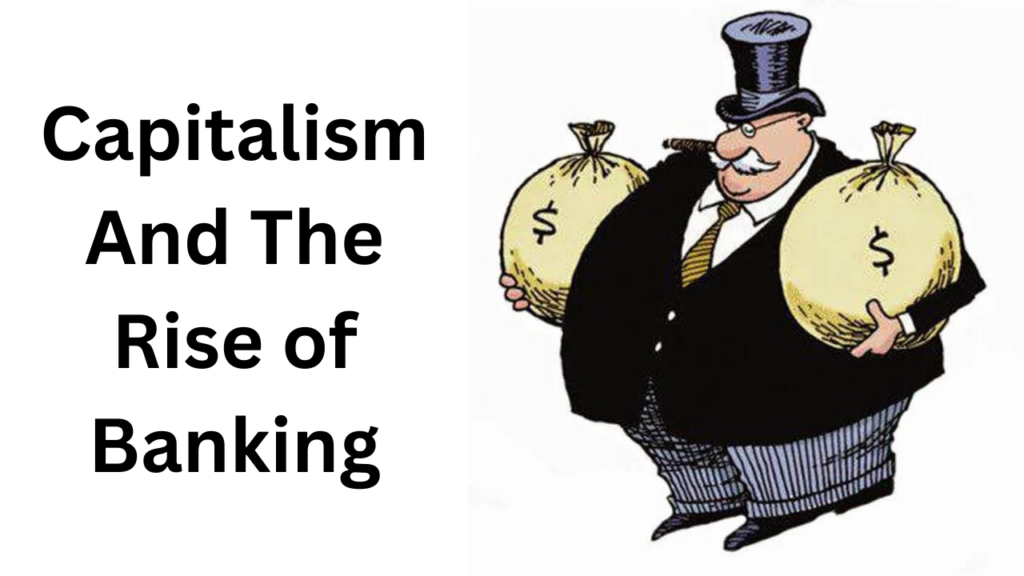
In Europe, after Mercantilism i.e. the period of trade, capitalism started in which capital i.e. money became real. In this, there is a law of might is right that if this money is with any individual or company then he will be the most powerful. He will have control over the government, on this principle the foundation of all banking was laid and in this capitalism, profit maximization i.e. earning maximum profit.
The Illusion of Banking Safety:
This became their aim and regarding this banking, a big illusion has been created in our minds that bank is the safest place. Now whatever money is kept in it, the bank keeps it safe in a big safe and when you need it, it takes it out of this safe and gives it to you but the reality is just the opposite. For example, I deposited ₹1 lakh in the bank. Now, to keep this money safe, a ratio is maintained by the bank which is called cash reserve ratio. In America, it is 10% whereas in Pakistan it is 4 to 6%. This means that if I deposited ₹1 lakh in the bank, the bank will keep a 4% fee i.e. 4000 only in the bank and the rest will be given as a loan later.
The Money Multiplier Effect A Banking Web:
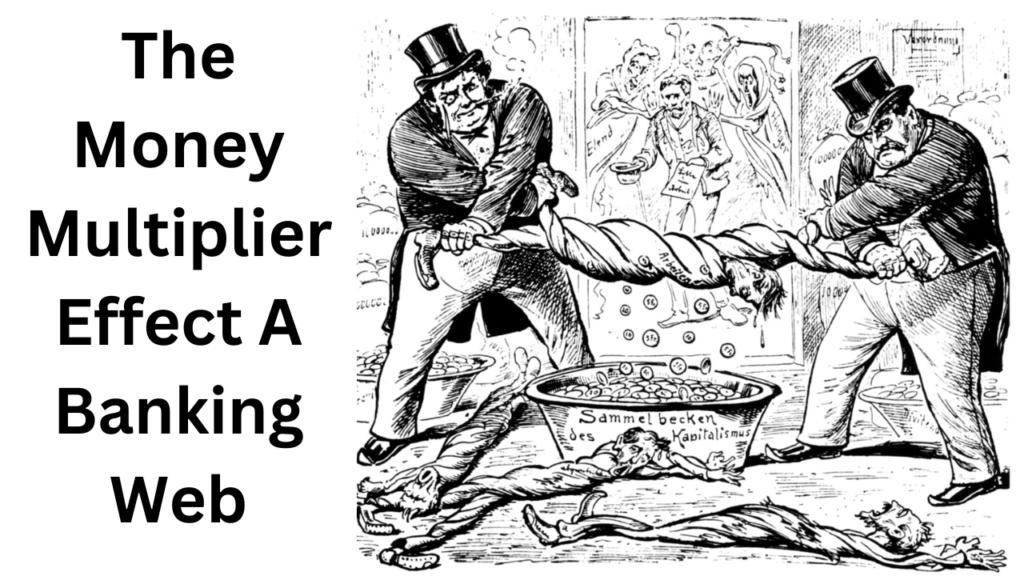
Now a bakery owner who wants to buy an oven for his bakery does not have money, so he comes to the bank to take a loan, then the bank takes my 96000 and gives him a loan on interest, now the bakery owner goes to an electric store and buys an oven with that money, then the owner of the electric store deposits that money in one of his banks, now his bank also does the same thing that it keeps 4 percent of that money i.e. ₹ 40 in the bank and further gives the remaining 22160 as a loan to a person who wants to buy a house, now the person from whom he buys the house, then the person selling the house also keeps that money in one of his banks and his bank also does the same thing, in this way this work happens again and again till that 1 lakh becomes 10 lakh, this whole process is called money multiplier effect, that is, in reality only 1 lakh is present but in the accounts it has reached 10 lakh that like I feel that I have 1 lakh in my account, similarly others also feel that I have 1 lakh in my account One person thinks that he has 96000 in his account and the third person thinks that he has 9216 in his account. Similarly, if all the loans given to others are added up, the numbers in their accounts would reach 10 lakhs, but in reality, it is only 1 lakh.

Bank Runs: A Historical and Modern Perspective:
If even half of these people come to withdraw their money from the bank, the bank collapses. This is called a bank run. Now let us understand this practice on a historical basis. In the 17th century, goldsmiths started this work in Europe, where they asked people to keep their gold, silver, and precious metals safe with them. In return, they would issue them a receipt as proof that whenever someone wants to take back their gold, he can do so by showing the receipt. The value of that receipt was made equivalent to the value of that gold. Now, if someone had to give a loan, the jewelers would make a receipt and give it to them and collect interest on it. In this way, they adopted the power of the bankers. For example, if four people took out 4 kg of gold from the bank and took out interest on it, then the jewelers would take advantage of the bank. If they had kept gold with them, they would have made four receipts in exchange for that gold. Now here a big problem arose in them, greed, to earn more profit, for which they started giving loans to people by making more receipts despite not having any gold, that is, the gold is only 4 kg but 16 receipts were made and they started collecting interest against these 16 receipts because there was no hard work required in making receipts. Now if even eight out of those 16 people come to collect their gold, then these bankers did not have enough gold to give them, so they clap. This entire action is called a bank run, that is, all the other people were cheated and all their hard work was wasted. Now this method of capitalism has risen in the countries in the form of a complete mechanized banking system, which is going on to date.
The Collapse of Silicon Valley Bank (March 2023):
Now, we get an example of this bank run recently in March 2023 from Silicon Valley Bank the Caps Silicon Valley Bank the Second Biggest Bank Caps in the US.
History This Silicon Valley Bank was one of the largest banks in America. It had money from big businesses and startups. Now the bank made a mistake by releasing the news that it has to raise capital of about 2 billion dollars and people were asked to deposit money in the bank. Now people think that the bank has run out of money and that is why it is trying to raise capital. Now this news spread like wildfire and everyone ran to the bank to withdraw their money. In a single day, about 42 billion dollars were withdrawn from the bank and another 100 billion dollars were withdrawn.
The Role of Governments in Banking Crises:
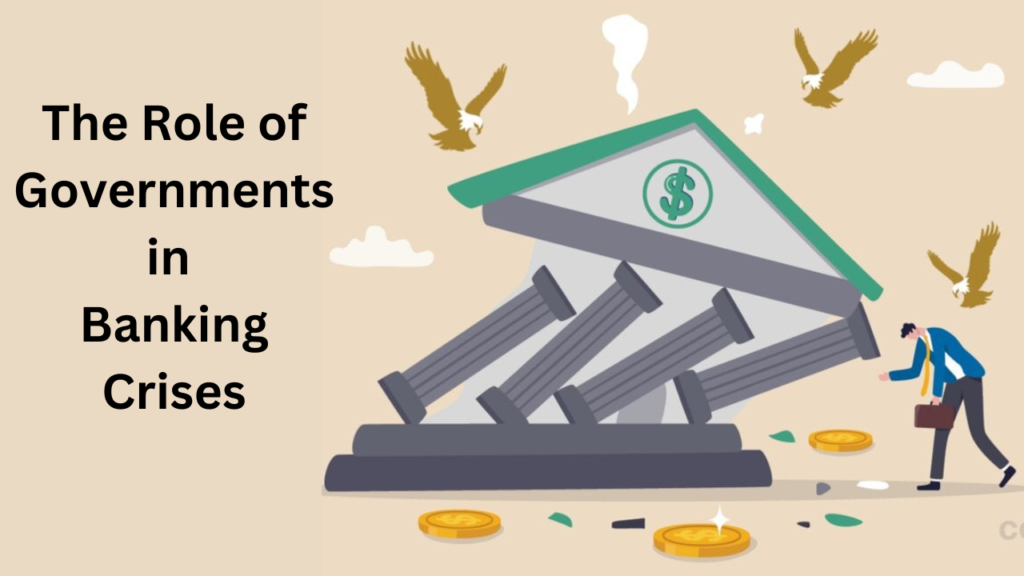
Now this situation has arisen that the amount of money that people see in their accounts is not physically present with the bank, so due to this the bank calls off the accounts. Now here the role of the government comes into play. The government tries to keep the trust of the public in this banking system. And can we have confidence that the banking system is safe because the entire banking system is running with the help of the public? If the trust of the public is lost from this banking system, then one after the other bank runs will happen which will become the cause of a big economic financial crisis.
Banks as Legal Entities and Public Exploitation:
Now here you should also be clear about the concept of the bank because a bank is actually a company. In this capitalism, if four people together form a company, then the status of that company will be of the fifth person who is called a legal entity, i.e. a legal person.
This person does not exist in reality but exists only on paper. Now if the owner of this company does any business or fraud, then a case is filed against him in the court and the result of that will be that fake person. And that fake person will be caught and this is impossible so the last limit can be that the fake person i.e. the company is closed down whereas the real owners of that company remain safe in every respect and all their associates also remain safe. Now understand this whole scenario that the bank which is not the property of the government but a few Capitalist all the interest i.e. the profit goes into the pockets of all the shareholders i.e. the capital of the bank and not in the national treasury and when the same public comes to take back their money then these banks become a victim of run and appeal to the government for the bailout and the money of the taxes of the same public is given to them and the government gives protection of their money to the public at a simple level. In Pakistan, DPC i.e. Deposit Protection Corporation has been created by the State Bank due to which the State Bank gives insurance of up to 5 lakhs only for example if you have a deposit in your bank If you have 20, 30, or 50 lakhs and the bank calls it quits, then the government can recover only 5 lakhs and give it to you. Regarding this entire banking system, Henry Ford, the owner of Ford Motor Company, says that
“It will be enough if the people of our nation do not understand our banking and financial system, because if they understand it, I am sure that the revolution will come before tomorrow morning.”
From the Gold Standard to Fiat Money:
Now another big historical atrocity was committed by America on humanity in 1971 when the then-American President Richard Nixon completely abolished gold for the dollar and declared the dollar as the real currency, which is called fiat money.
I directed the Secretary-General to suspend the convertibility of the dollar into gold and other reserve assets. First, in 1944, in the Bretton Wood Conference, the dollar was made the main currency internationally, then this fiat money, that is, the paper currency, was declared the real currency, so that now there is no idea of the existence or non-existence of gold, but A paper receipt is the real thing.
You can print it as much as you want. After this, wherever America waged war, billions of trillions of dollars were printed and injected into the market. In this way, about 840 billion dollars were spent in the Vietnam War and according to a source, about five trillion dollars were injected in the wars of Iraq and Afghanistan. Now, the more dollars you print, the more the value of the dollar will decrease, which becomes the cause of inflation.
Inflation and Global Economic Consequences:
If we understand inflation in simple words, then inflation means that if a year ago a bag of 20 kg flour was for ₹1, then next year the same bag of 20 kg flour has become 1500 rupees. Now, flour has not become expensive but the value of money has decreased. Due to this, you will have to pay more money to buy the same bag of flour. Now, since no special effort is required to print dollars in a large quantity, it is very difficult to extract gold in large quantities from someone’s ears and it is also impossible to print gold in any chemical way. Because of this gold retains its value instead of just a paper currency. Now this printing of billions of trillion dollars by America is having dire consequences.
It falls on the poor people that now they have to work harder to meet their dues and in this way, their hard work is exploited. Whereas dollar is an international currency, so its effect is not only on the American people but on the whole world. Now the cruelty upon cruelty in this is that the Federal Reserve Bank of America has the legal authority that it can print as many dollars as it wants. Dr. Richard Werner, who is a professor of international banking and finance, says that people think that banks work for the benefit of the person who has deposited money and the person who needs money. However, it is not so because now instead of being useful, they have become a means of making money themselves. Now this banking system has risen in a complex form in European countries and America.
Conclusion:
The article underscores the critical role of the banking system in shaping global economies while exposing its inherent flaws and consequences. Tracing its evolution from ancient moneylending practices to the modern banking industry, the piece highlights how capitalism and profit-driven motives have transformed banking into a system that often prioritizes wealth accumulation over societal well-being. Practices like fractional reserve banking, the money multiplier effect, and fiat money have led to systemic vulnerabilities, such as bank runs and inflation, causing economic instability and exploitation of the working class. Historical instances, such as the abolition of the gold standard and the 2023 Silicon Valley Bank collapse, illustrate the far-reaching impact of these systemic flaws. The article concludes by advocating for a reevaluation of banking practices, emphasizing the need for transparency, sustainability, and fairness, particularly under ethical frameworks like Sharia law.
FAQs:
- What is the money multiplier effect in banking?
The money multiplier effect describes how banks lend out a fraction of deposits to create additional credit, making it appear that more money exists in the economy than is physically present. This practice can lead to systemic risks, such as bank runs.
- Why is the modern banking system criticized in this article?
The article critiques the modern banking system for prioritizing profit over public welfare, relying on risky practices like fractional reserve banking, and creating economic vulnerabilities such as inflation and financial crises.
- What happened during the collapse of Silicon Valley Bank in 2023?
Silicon Valley Bank faced a bank run when news of its need to raise capital spread, leading to mass withdrawals totaling billions of dollars in a single day. This highlighted the fragility of the banking system when public trust erodes.
- How does fiat money differ from the gold standard?
Fiat money is a currency without intrinsic value, backed only by government decree, unlike the gold standard, where the currency is backed by tangible reserves of gold. The shift to fiat money has contributed to inflation and economic instability.
- What alternatives to the current banking system are suggested?
The article suggests exploring ethical and interest-free banking systems, such as those based on Sharia principles, which emphasize fairness, shared risk, and avoidance of exploitative practices like interest.

Emergency Fund – Everything that Every Person Knows | Financial Planning 101:
Which are the best mutual funds? Which stock will perform the best in the next 5 years? We all need to know all this. We all want to grow our money as quickly as possible, but none of us understand that we are just one emergency away from going bankrupt. As bad as it sounds, as uncomfortable as it sounds, it is true. The latest report on media in Asia states that people working out of companies at 71% cover their hospital costs out of their pocket out of their savings. If anyone’s or anyone’s family member’s hospitalization gets extended, the entire savings of employees at 70% will be lost leaving them bankrupt. And here we are talking only about hospitalization. Anything can happen to anyone. You can lose your job. There can be some repair work in your house. Your car can break down. There can be some legal issues. You can have some personal problems. Anything can happen to anyone, if you have not planned anything for these emergencies, then the majority of Indians can go bankrupt anytime, now I don’t know about you, but I am very scared to live with such uncertainties.
Now here some people will say that if there is a sudden medical emergency, then there is health insurance, you suggested it, but what about the other emergencies that we just mentioned, there is no insurance for them, which is why it is super important to build a safety net also called Emergency Fund keep in mind that building your emergency fund should be the first step of financial planning, yes this article is called financial planning 101, so before you start asking what are the best mutual funds and stocks, which are the best you should be.
What is an Emergency Fund?
Now you know what an emergency fund is and how to build an emergency fund, I have told you why you should have an emergency fund, but how to create this emergency fund how big should it be, and if yes, where should it be kept, you will get the answers to all these questions in this article. So, now we know what is an emergency fund, why should it be, now we know how big the emergency fund should be.

How big the Emergency Fund is?
If we believe the experts, then according to them, you should have an emergency fund equal to your expenses for 6 months. Supposedly your monthly expenses are 25000.
So multiply by six. 150k, you should have this much emergency fund, but somehow I do not subscribe to this theory. Firstly, this answer is quite misleading. Secondly, a lot of these nuances are missing from this answer. Let me explain. According to me, emergency funding is the biggest topic of personal finance. Yes, it comes under the broad umbrella of personal finance because it is personal for everyone. It can be different for everyone. Now, according to me, the amount of emergency funds can be different for everyone. For some people, 6 months are enough.
For some people, it is 12 months and for some, it can be 18 months as well, so how do we decide? Let me see, according to me, the biggest point is the amount that can provide peace to you and your family. Now for me, the six-month emergency fund is not going to work at all. I can’t make peace with that. I might sound a little more conservative, but I need at least a 12-month emergency fund. According to me, there is one more nuance that many experts miss. That is, your bank statement has a monthly expenditure, multiply it by 6, 12, or 18, and whatever amount comes out will be a very unrealistic stick. Let me explain, supposedly my monthly expenditure is 50,000 including everything. Now, you don’t have to do this. That my monthly expenditure is 50000, I should multiply it by 12 and my emergency fund should be 6 lakhs. If you are a regular salaried employee, then I am sure you have a lot of extra expenses like going out on trips, going shopping, eating out in expensive restaurants and you are doing all this and You should also do this. If you are earning money, then you should also know how to spend it,
But in case of emergency, like you are not going to spend extravagant expenses like traveling, going out to expensive restaurants, shopping, etc. then I think you will focus on your basic expenses. So according to me, you should create an emergency fund according to your basic needs every month, otherwise, you will have to create a very big fund and you are going to live under a lot of stress. So if your monthly expenditure is 50000, then out of that, if your basic expenditure is 30 to 35000, you should focus on this. Taking the figure of 50000
An emergency fund should be made and not 50000. Now that we have understood how big the emergency fund should be, we have to know how to make an emergency fund so big.
How do we plan an Emergency fund?
Like how do we plan it? The first point in this is that you will have to plan it from your first or second salary. Step one should be to plan your insurance and step two should be to plan your emergency fund. SIP, mutual funds, stocks, all this has to be done later. Ah, to do this, you will have to invest a fixed amount every month from your salary. So suppose your salary is 50000, I will invest 20% of it.
But that means as soon as you get your salary of Rs. 10000, you should put a standing instruction in it so that it goes from your salary account to your other account. For whatever reason, if your obligation is high that you have to pay EMI, you have some loan, you have to pay it off. After sorting out all this, you can put a standing instruction on the amount that is left. What we have said is that as soon as your salary comes, you should put a standing instruction on it, which means your money should move from your salary account to another account, but this is another account.
Where Do We Invest Our Emergency Fund?
What is it, where do we have to invest the money? Is this another savings account? Do we have to put the money in FD? Do we have to put it in a mutual fund? That means the money is coming. For this, you have to know that three things are very important in an emergency fund.
First, the fund should not be volatile, which means it should be stable so that whenever you need money, it is available to you.
Second, the fund should be immediately available The keyword here is immediate, meaning it should not happen that you need money in an emergency and the money is coming to you after two days, you need it right now, meaning you need it right now.
Thirdly, the fund should at least beat inflation, the logic behind this is that suppose you created a fund of 3 lakhs for yourself and you did not use it for 10 years, when you need it after 10 years, due to inflation the value of that 3 lakhs became only 1.5 lakhs, so this should not happen, now with this concept we have to see which good options are left with us for an emergency fund, now it has become very clear that equity mutual funds and stocks are not in our options because both are very wallet-thin in the short term Their value keeps fluctuating a lot and we need stability in our fund, so we are left with three options, first is a savings account, second is FD and RD and the third one is debt funds Here my first pick would be a combination of savings account plus FD In this I get the stability of a savings account I get the option of immediate liquidity and the returns of FD We can achieve this by enabling auto sweep in our savings account Above a certain threshold hold And I would suggest you to have a separate savings account for the same. and I would park at least 50% of the money in this option.
Debt Funds for Emergency Account:
The next option is debt funds. Now, in debt funds, you have 8-10 options. Ultra-low duration, low duration, liquid funds, liquid funds, etc. Risks and rewards are different in all these categories. But since we are building an emergency fund, we would prefer low-risk and decent returns. For this, we would choose liquid funds in the category of debt funds because they have extremely low wallets and currently they are giving returns of 7%. The settlement of liquid funds is t+1, which means if you place a redemption request today, then.
You will get the money by tomorrow. And in between, you have the option of a credit card. Now, many viewers must be thinking why are we suggesting both liquid funds and FDs? Currently, liquid funds are giving less returns than FDs, but now they are giving less returns and this doesn’t need to happen in the future either. For example, in 2014-2015, liquid funds were giving you a return of 9 to 10 percent while FDs were giving you 8 percent. So we don’t know which one will give you better returns in the future. So it is better to have both to diversify our portfolio.

10 to 20 percent of your Emergency fund should be in cash or the form of a gold coin:
I would like to add here that no other expert will tell you or usually when someone asks me, I advise that 10 to 20 percent of your fund should be in cash or the form of a gold coin, preferably cash. But here people think that cash is not giving you any returns and that keeping gold coins is not safe. Then why am I recommending this? I recommend this because emergencies never come with any notice and it is very difficult to predict the nature of emergencies. Supposedly your banks may be cyberattacked. Stops working
If your ATM stops working, you are unable to withdraw cash from anywhere and you are unable to use your funds, your phone stops working, so in such a situation, only cash or gold coins will help you. Now, I know, there is a 99% chance that it will not happen, but since we are preparing for the emergency fund, we will also consider the 1% option. Ideally, we should have a combination of all the above options. A 50 to 60% and a separate savings account with auto sweep enabled. 30 to 35% in liquid and arbitrage funds and 10% in cash plus gold coins. We have discussed almost every aspect of the emergency fund.
Special Advice for Beginners:
I will give you two more tips related to emergency funds first it is not a one-time process it should be continuously updated and changed with your lifestyle and needs and then it should be reviewed every one to two years I have not seen this trend in 20
I have seen a lot that especially after 25-26, every one or two years your lifestyle and needs keep on changing, so people who are in the late 20s and early 30s please be a little more mindful about it secondly if for any reason your emergency fund has been used up then your plan of action should be to immediately replace it and restore it this one is quite obvious that you should always have an emergency fund so if you have used it then you should also replenish it so this is the article that we made on emergency fund we hope that we have covered all the points for you.
Conclusion:
The article emphasizes the critical importance of having an emergency fund as the foundation of financial planning. It highlights that many individuals risk bankruptcy in emergencies due to inadequate preparation. The emergency fund serves as a safety net to handle unforeseen circumstances like medical emergencies, job loss, or unexpected expenses. The recommended size of an emergency fund varies depending on individual needs but generally ranges from 6 to 18 months of basic expenses.
The article suggests a diversified approach to building and maintaining an emergency fund, including:
- Savings account with auto sweep for stability and liquidity.
- Fixed Deposits (FDs) for higher returns while maintaining access.
- Liquid debt funds for diversification and inflation-beating returns.
- Cash and gold coins (10-20%) for immediate availability during rare scenarios where other options fail.
Regularly updating the fund to align with lifestyle changes and replenishing it immediately after use are also emphasized as key practices.
FAQs
- Why is an emergency fund necessary?
An emergency fund protects against unexpected financial shocks like medical emergencies, job loss, or urgent repairs, preventing potential bankruptcy or financial stress.
- How much should I save for an emergency fund?
The recommended amount varies, but it typically ranges from 6 to 18 months of your basic monthly expenses (not including discretionary spending).
- Where should I keep my emergency fund?
A combination of options is best:
- Savings account with auto-sweep for liquidity.
2. Fixed Deposits (FDs) for stable returns.
3. Liquid debt funds for inflation-beating growth.
4. Cash and gold coins for immediate access.
4. When should I start building an emergency fund?
Start immediately, ideally with your first or second paycheck, by allocating a fixed percentage of your income every month.
- How often should I update my emergency fund?
Review and adjust your emergency fund every 1-2 years to reflect changes in your lifestyle, income, and expenses. Replenish it immediately after any withdrawal.

10 Rules for Making Your First Million:
We’re doing here are 10 rules for making your first million so let’s get right into there are three different ways to do it one is the fast method the other one is the average method and the other one is a slow method.
First Method:
The fast method you’ll make your first million within five to ten years high-risk High chaos low quality of life for three to five years you’re maybe a startup founder a salesperson sales leader but much pressure is on you and you’re working 80 hours every single week you’re working on Saturdays a little bit of Sunday and you’re going on this for like five to ten years.
Second Method:
So the second one is the average method takes 10 to 20 years here’s how this looks your mid-level risk type of a person your supporting role in a chaotic environment with a decent life meaning you don’t want all the pressure to be on you don’t want to be the person that 24 / 7 you’re on call people are calling you.
This didn’t work that didn’t work you haven’t dinner with your wife you don’t want that you’re okay with having some of it but not full-on founder and you’re okay with that you do have Equity maybe in a startup that you have equity in the company eventually you earned that Equity company that is your way of making the money or you’re a salesperson that’s very good in being a great Market you’re very good with clients you eventually make your first Million.
Third Method:
last but not least is the slow method takes 20 30 40 years this is little to no risk you have a balanced quality of life you come home at five o’clock every night maybe six o’clock every night you invest in a font maybe 300 a month at 12 rate of return over 30 years which ends up being a little over a million bucks or you do a thousand dollars a month at 12 over 20 years you make your million dollars maybe you buy a multi-family home and you never sell it maybe your own home you buy it you never sell maybe you’ve got a couple of different homes you buy the first one takes the equity into the next one into the third one buy the fourth one you’re a millionaire that’s the slow method now what I want to share with you is 10 rules on the fastest way to make a million dollars with these 10 mindsets approach I can come up with 50 of them but I’m giving you just 10 of them in this article.

Say Yes to every opportunity:
Here’s the first one at the beginning say yes to everything because later on you’re going to have to say no to almost everything here’s what I mean by it hey you know we’re having this thing going on Friday night there’s going to be 100 people there you know I want to invite you to come out and networking regular like I don’t want to go but you go hey this Saturday afternoon.
We have this one thing going on yes no problem obviously outside of what your core business is you have responsibilities and commitments to don’t drop your code responsibility you’re running the company hey you want to meet this person let’s do Zoom Do you want to meet up and let’s go meet him you want to have a cup of coffee yes I was doing six o’clock breakfast at Denny’s seven o’clock breakfast like literally my 6 a.m. meeting would go till seven my seven a.m. breakfast would show up on the first one I would have eggs on the second one I would have steak at Denny’s at the same table then eight o’clock he goes to work I go to my office I have a meeting then I have a lunch appointment at three but I was yes late at night hey do you want to call me to this bar and let’s meet at this 11 p.m. it’s the only time I can meet you it doesn’t matter I can meet you in San Diego and I want to introduce you to five months it doesn’t matter.
I am driving I would put 30,000 miles per year on my car just to say yes to everything because I knew I was one client away from making my first million I was one contact away one relationship away that was my mindset so I was like oh it’s going to be this guy going to be that guy going to be this guy eventually I met a guy at a hotel near LAX who gave me 600 leads that made me my first 30 40 million bucks just because of one contact but again say yes to almost everything at the beginning later on when you make your 1000 million you’re going to have to say no to almost everything.

Follow One Philosophy:
Point number two follows Philosophy one what do I mean by this think about what I see a lot of people doing that doesn’t create any momentum I like the way how he does it yeah I’m going to do sales like this but I want to do funnels like this but I want to do dislike but I want to do like this and what if we do this but I like how this guy does it you’re all over the place pick one religion on how you’re going to get your customers and clients.
Stop constantly jumping oh you guys do it this way oh I’m going to go with you oh I’m going to go you’re not creating any momentum is Created from sticking to one philosophy and constantly fine-tuning your philosophy then constantly jumping all over the place every time you see a new video with a new YouTuber that gives you a new idea you switch your philosophy of doing things you hurt yourself by doing that pick a religion stick to it drive that philosophy until you create momentum.
Leverage:
Point number three is leverage let what I mean by leverage leverage salespeople leverage the right funnels leverage the right contact leverage the right relationship it doesn’t matter your main thing is to leverage it could be leveraging somebody else’s money it could be leveraging somebody else that gave you an investment to help grow your business at the beginning it doesn’t matter if you want the faster way the key is to have some leverage you only have a certain amount of hours you can work in a week I would sit down.
Now it’s I got 80 hours 200 hours I can do how can I leverage this to be a hundred dollars well what if you got two salespeople that do 50 a week okay great how can I lever everything was about leverage so the ones that get there the fastest typically have the right to leverage tools technology software it doesn’t matter think ask yourself what can I do to leverage to expedite the process of making my first million when you interview other successful people ask them what technology tool.
Relationship did you leverage to speed up the process of your winning you’ll be amazed how much you can learn by asking people that question.
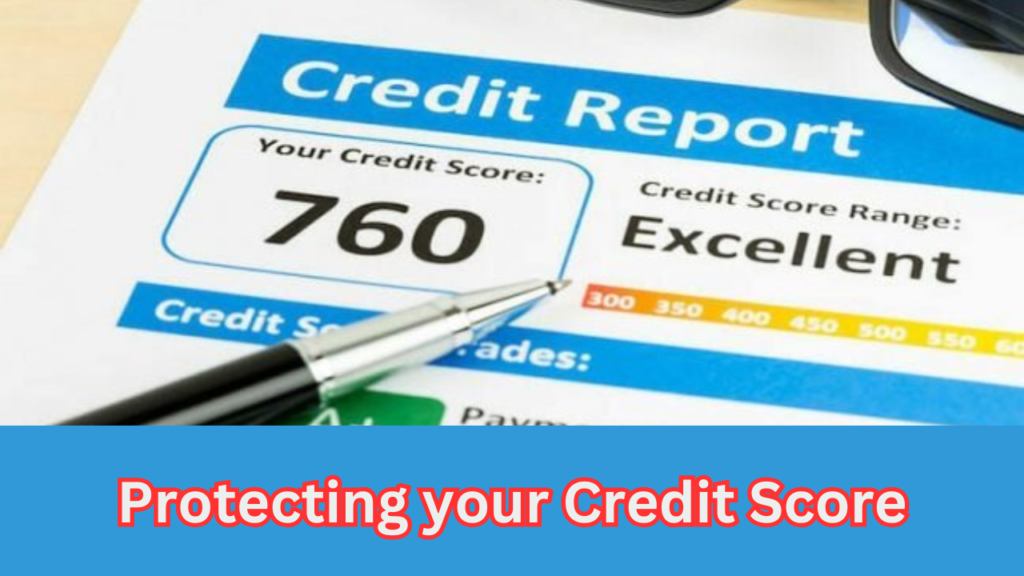
Protecting your Credit Score:
Point number four is protecting your credit score and it’s very important at the beginning stages it’s kind of tough to do what you want to do if your credit score is in the 400s 500s even 600s if you have a high credit score that gains your credibility but also credit score isn’t just your FICO with Experian TransUnion or Equifax if you say you’re going to be there a certain time be there earlier.
If you say you’re going to send a certain email do it if you’re committing certain people keep them to protect your credit score because people will say I can rely on this person because he is very reliable when he or she says they’re going to do something they do it at the beginning this matters it’s always going to matter a lot but it’s going to matter even more at the beginning.
In The Beginning, It Matters Very Much for You to Specialize Way Before You Generalize:
Point number five at the beginning it matters very much for you to specialize way before you generalize meaning don’t say I do loans for five hundred thousand dollars 10 million dollars a million dollars but I also do escrow the real estate I also do this I do that stop it pick one Whatever It Is pick one of them and specialize you can generalize later on when you make your first million but one of the biggest mistakes to make before you make that is to constantly try to generalize specialize one product one Niche One Market master that then generalize if you need to but at the beginning specialize.

Stop Waiting For Customers to Come:
PoiNt number six stop waiting for customers to come too they’re not going to find you it’s your job to go find a meeting Prospect things got to be to the roof back in the days I would go put fishbowls and I would give away dry cleaners and I would put it up in five different places I would go to the local Subway Quiznos I’m going to give away 10 foot long sandwiches for somebody that drops their business cards they would I would call one of them winners send it to them everybody else would love to take you out to lunch
I’m a local business owner wanting to build a relationship with you it doesn’t matter what I was doing but today here’s what I’d be doing today so let’s just say I live in a big city let’s pick La okay let’s pick Dallas and Dallas Metropolitan is the big city right but I would go and look at the hashtags on Instagram outside of Dallas I’m a realtor let’s say Addison I would go to the hashtag Addison Texas there aren’t a lot of people that are going to put a hashtag Addison Texas.
But then I would go on that hashtag Addison Texas and I would see people that just use that hashtag and I would network with them hey picture posted with the Cowboys jersey hey man love the Cowboys jersey got on great to see another Cowboys fan and then you put those things out there then you DM them so what do you do I noticed I love to get together with you and talk to you and tell you what I’m doing you’re talking no problem and then maybe if you’re real estate you’re developing relationships through.
Maybe your insurance maybe your Finances maybe your product is something else but there are so many ways to prospect a day Instagram Twitter LinkedIn to say prospecting has become easier than ever before is an understatement but you can’t sound like everybody else you got to figure out a way to do it in a more creative way it’s almost like how a lot of people say well you know he was kind of slide into my DMs.
If you slide in people’s DMS as a customer like everybody else is doing they’re going to find out right off the bat you have to have a creative way to get to them we’re almost there asking you what you do for a living but anyway, if you want to make your first million the fastest prospect do not wait on people to find you go find them.
Make a list of the top 50 influencers:
Point number seven make a list of the top 50 influencers you want to get close to and then put a strategy on how to get close to them let me give you an example so let’s just hypothetically you live in Kansas City and there’s this realtor that’s doing three point two million dollar income last year and everybody knows who he is right how do you get close to that person to have lunch or coffee with them okay maybe you’re in real estate and you want to get close to the top three influencers who are in accounting and they run an accounting firm.
You want to get close to these guys because accountants have clients who may want to purchase a home and so that’s your way of getting close to these influencers I put a list together of the top 50 influencers I wanted to get close to nearby.
Then I strategize how to get close to each one of them in my creative way once I get in front of them don’t ask for anything I don’t sit there and say let me tell you here’s what I’m looking for No all you say is how can I help you give them contacts you give them a book a relationship and then gradually they’re going to say what do you do once they ask you what you do you tell them here’s what I do x y z and then they see now somebody I want to introduce you to Fantastic but subtly you protect and water these influencer relationships the more you water them all of a sudden five of them are going to give you contacts that are going to change their life.

Look For the Right Habits:
This may be the only Point you’ll remember I’m working at Bally’s changed their comp plan. 20 years ago 23 years ago they changed their comp plan guys we’re making 150 or not making 50. everybody’s looking at going elsewhere that’s the one Bally’s was when bankrupt 24-hour Fitness and LA Fitness bought a bunch of valleys these Five Guys I’m one of them were all looking to see where we’re going to next one guy goes into real estate works with this guy picks up great habits from this guy makes 10 million does very well.
Invested into the real estate he’s doing good now makes you know a few hundred thousand dollars per year off his investment properties he’s very happy he’s chilling he did the right thing 10 years he went on a 10-year run he did well the other two guys went after a cool guy to duplicate who would always go to this club called Garden of Eden Coke drugs X everything they duplicated oh I closed this much money but let’s go do this let’s go do that these two guys were beasts I’m talking beasts of competitors two of my favorite guys in a company that we were friends with so they went and worked under that guy for two or three years the next thing you know they’re starting their own company guess what they’re doing the same thing except worse one went to jail one lost three of his houses bunch of the Rolls-Royce that he owned one got deported attacks that showed up the ugly situation good people duplicated the wrong habits I chose to go to a different route and I had you know good examples that I worked with a lot of personal life examples those things and things that matter the most values principles all that other stuff that is almost as important in creating your wealth as it is I’m going to work with a guy that’s making millions because you need the right principles it’s not just about making the money it’s also about keeping the money.
Morris caught then taught if you do choose to work under somebody very good at what they do how they live their personal lives matters just as much as how much money and success.
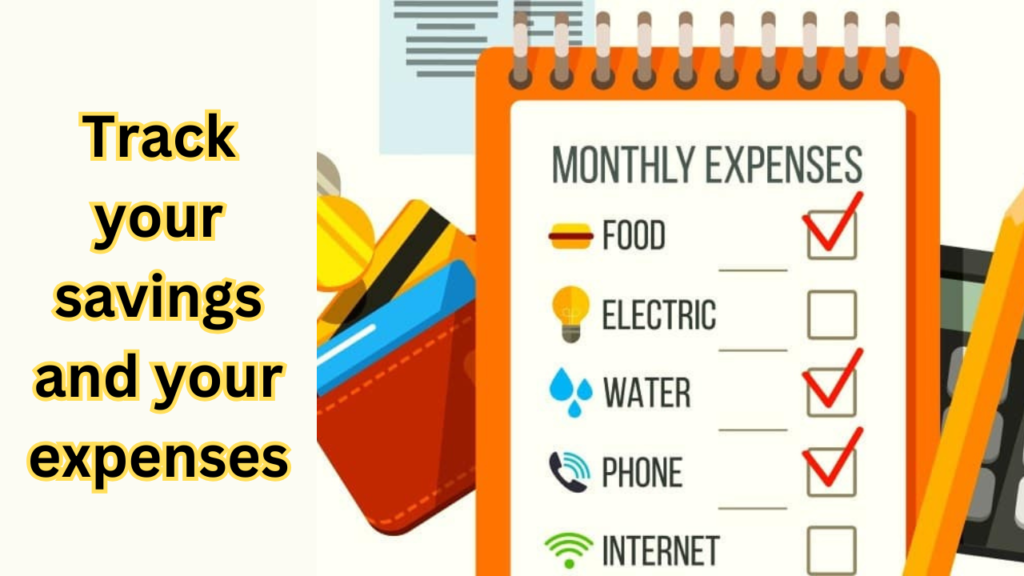
Track your savings and your expenses:
They have this next one that is so simple but it’s so hard to track your savings and your expenses let me explain what I mean by this it was as simple as for me I liked a lemonade but I would drink water and I would put lemon in it and sweet and low and turn that into a lemonade tastes the same but I saved myself two dollars so if you did that three times a day six bucks over 300 times a year you own is that two thousand dollars was two thousand dollars it was so I was driving a Ford Focus with a quarter million dollars in the bank and everybody’s asking me why they had I eventually had to get a call from one of my chairmen who called me and said Peter it’s embarrassing go buy yourself a nice car I said I don’t want to I’m saving the money why would I do it trust me people are thinking you’re broke I said I just show my statement I’m not broke can you just get a car finally I bought a car because for me I understood cash is King cash allows me to work with a lot of confidence and if you’re trying to grow at the beginning stages of what opportunities come along every 18th of the month.
I would run my credit score I would track all my savings all my funds my investments my expenses my credit cards with the highest paying everything every single 18 I would do this report with myself on this Excel spreadsheet that I track every month so track your savings track your expenses and increase your income.

Change Negative Distractions from Positive Distractions:
Point number ten you’re going to have a lot of distractions during this time a lot of girlfriends parents weddings anniversaries birthdays bunch of distractions I eliminated negative distractions and replaced them with positive distractions life is filled with distractions being married is a form of distraction but hopefully it’s a positive distraction having kids is a form of a distraction but is a positive distraction if Done Right exercising is a distraction because it takes you a couple hours to spend time taking care of your health but it is a positive distraction the more positive distractions you have helps you eliminate negative distractions negative.
Distractions set you back positive distractions help you go to the next level so find ways to make a list of all the distractions you have in your life today and figure out a way to convert those to positive distractions trust me kids who go and finish high school without making any of the big mistakes their parents did a very good job creating positive distractions in their lives just like you had some positive distractions in high school you need the same old positive distractions.
Conclusion:
The article, “10 Rules for Making Your First Million,“ provides a strategic roadmap for achieving financial success through three distinct methods: fast, average, and slow. It emphasizes the importance of adopting specific mindsets, including leveraging relationships, protecting credit scores, specializing early, and actively pursuing opportunities. The author stresses that building wealth requires discipline, focus, and the willingness to take calculated risks while eliminating negative distractions and fostering positive ones. Tracking finances meticulously and maintaining strong principles are vital not only for accumulating wealth but also for sustaining it. Ultimately, the journey to the first million is less about luck and more about the consistent application of these principles.
FAQs
- What are the three methods for making your first million mentioned in the article?
The methods are the fast method (5-10 years, high risk, intense work), the average method (10-20 years, mid-level risk, balanced work-life), and the slow method (20-40 years, low risk, consistent savings and investments).
2. Why is specialization emphasized over generalization in the initial stages?
Specialization allows individuals to focus on mastering one niche, product, or market, which creates momentum and expertise. Generalization can dilute efforts and hinder progress early on.
3, How can leveraging relationships and tools expedite the process of wealth-building?
By leveraging contacts, tools, and resources, individuals can amplify their efforts and save time. Strategic partnerships and technology also enhance efficiency and open doors to high-value opportunities.
4. Why is protecting one’s credit score crucial in the journey to financial success?
A high credit score builds credibility, enables access to better financial opportunities, and reflects reliability in personal and professional commitments.
5. What role do positive distractions play in achieving financial goals?
Positive distractions, such as exercising, family commitments, and skill-building activities, help maintain focus and motivation while reducing the influence of negative distractions that hinder progress.
The Importance of Financial Literacy for Every Stage of Life:
Understanding and using different financial skills, such as managing debt, investing, saving, and budgeting, is known as financial literacy. It impacts every facet of life and is essential to personal financial management. Financial literacy enables people of all ages to plan for the future, become financially independent, and make educated decisions. Let’s examine the value of financial literacy at every stage of life, from youth to old age.
1. Financial Literacy for Adults:
Young adults would benefit from knowing the value of making investments early in life and the effectiveness of compound interest. They can use financial literacy to understand how investing and setting aside a portion of their income can grow over time and provide long-term financial security which will help them achieve important financial goals like buying a home or retiring comfortably.
Managing Income and Expenses:
A stable financial situation requires a balance between income and expenses. Financial literacy aids in the creation and adherence of a budget by adults that accounts for housing food transportation medical care and other living expenses. Adults can lessen financial stress and avoid living paycheck to paycheck by tracking their spending and finding areas where they can save.
Saving for Retirement:
Adults need to make retirement savings their top priority as soon as possible. Financially literate people learn about retirement accounts like 401(k)s and IRAs the advantages of employer matching contributions and how to make long-term investments. People who lack financial literacy frequently underestimate the amount of savings required for a comfortable retirement which can result in financial instability later in life.
Managing Debt and Loans:
One of the most important aspects of adult financial literacy is managing debt. Knowing how to effectively manage and pay off debt is essential whether it’s from a credit card mortgage or auto loan. The ability to assess loan terms give priority to high-interest debt and design a repayment schedule that reduces interest payments over time is made possible by financial literacy.
Protecting Against Financial Risks:
Financial risks such as losing their job getting sick or experiencing a downturn in the economy should concern adults. Building an emergency fund acquiring the right insurance (health life and disability) and selecting risk management techniques sensibly are all made possible by financial literacy.
Tips for Adults:
- Reevaluate your budget regularly and make adjustments as needed.
- Contribute consistently to retirement savings and take advantage of employer matching.
- Avoid high-interest debt and create a debt repayment plan.
- Build an emergency fund to cover unexpected expenses.

2. Financial Literacy in Childhood:
From an early age financial literacy is developed. Children should be introduced to money management concepts at this age because the habits and values they form at this time of life often last a lifetime. The following justifies the importance of financial literacy for kids:
a. Developing Healthy Money Habits Early:
Early financial education helps kids develop good money habits by teaching them about sharing, saving, and spending. Children learn the value of postponing gratification through concepts like saving for a toy or a special occasion. Learning how to handle a small allowance or birthday money can facilitate making wiser financial decisions in the future.
b. Understanding the Value of Money:
Teaching children the value of money can help them grasp that money must be earned via labor and effort rather than being easily accessible. It can also help kids realize how important it is to work toward their financial objectives, cultivating a sense of responsibility.
c. Avoiding the Trap of Consumerism:
Financial literacy helps kids resist spending money needlessly in a world where advertising and consumerism rule the day. They can learn to take a more deliberate approach to spending by being taught to evaluate their purchases critically and distinguish between needs and wants.
Tips for Parents:
- Give children a small allowance to manage.
- Encourage them to save a portion of any money they receive.
- Introduce basic money management concepts through games or activities.
- Talk to children about the value of money and the importance of budgeting.
3. Financial Literacy for Families:
Having a solid understanding of finance becomes crucial when handling family finances. Careful financial planning and decision-making are necessary for buying a home saving for college and raising children.
Family Budgeting and Saving:
Families must prepare a thorough budget that includes all of the additional costs associated with raising children including daycare schooling and medical care. Set priorities for spending cut expenses and direct funds toward major objectives like home or college savings are all made easier for families with financial literacy.
Planning for Education:
A lot of parents desire to assist their kids with their educational costs. Education savings plans like 529 plans and investing strategies for their children’s future education are among the things that financial literacy teaches families. Families can reduce their dependency on student loans and save wisely by being aware of these options.
Homeownership and Mortgages:
One of the most important financial choices a family can make is buying a house. Understanding mortgage options interest rates and long-term financial commitments requires financial literacy. Families can choose the mortgage that best suits their financial situation and avoid expensive mistakes by being informed.
Teaching Children Financial Responsibility:
The next generation’s financial literacy is greatly aided by families. Financially literate parents can impart to their kids valuable lessons about budgeting saving and the worth of money. Future generations gain from the constructive cycle of financial responsibility that is created by this.
Tips for Families:
- Create a family budget that includes savings for education and major expenses.
- Explore education savings plans early to maximize growth potential.
- Be informed about mortgage options and choose the best one for your family.
- Lead by example and teach your children about financial responsibility.
4. Financial Literacy for Teenagers and Young Adults:
When they enter adulthood teenagers and young adults are faced with new financial obligations. At this point, financial literacy becomes crucial as they start managing their finances earning their own money and potentially taking on credit card or student loan debt.
Learning to Budget and Save:
Young adults and teens have new financial responsibilities as they grow older. At this point when they are beginning to manage their finances earn their income and possibly incur credit card or student loan debt financial literacy becomes essential.
Managing Student Loans and Education Costs:
Many young adults who attend college incur debt from their student loans. Comprehending student loan terms navigating repayment alternatives and reducing debt all depend on financial literacy. Financial literacy enables students to plan for repayment without becoming overly indebted and to make well-informed borrowing decisions.
Building Credit Responsibly:
Future financial opportunities like getting a loan or a mortgage depend on building a solid credit history. Financial literacy teaches young adults how to avoid high-interest debt accumulation use credit cards responsibly and make on-time payments. Future financial results may improve if you recognize the significance of having a high credit score.
Understanding Compound Interest and Investments:
It’s beneficial for young adults to understand the significance of early investment and the power of compound interest. They can attain significant financial goals like purchasing a home or retiring comfortably by using financial literacy to understand how investing and saving a portion of their income can grow over time and provide long-term financial security.
Tips for Teenagers and Young Adults:
- Start a basic budget that includes savings and expenses.
- Be cautious with student loans and avoid taking on more debt than necessary.
- Learn about credit scores and how to build good credit habits.
- Begin saving and investing as early as possible.
5. Financial Literacy for Middle Age:
People often have more financial responsibilities as they get older including retirement planning mortgage repayment and child support. To maintain financial security and independence at this point in life financial literacy is still essential.
Maximizing Retirement Savings:
For people in their 40s and 50s retirement savings take precedence. A plan for increasing retirement savings making catch-up contributions and diversifying your investments is provided by financial literacy. In later life, people run the risk of not reaching their financial objectives if they lack a firm grasp of retirement planning.
Estate Planning:
To be financially literate in middle age one must understand estate planning. This entails deciding how assets will be distributed after death establishing trusts and drafting wills. The ability to minimize estate taxes and legal complications while leaving a legacy for one’s loved ones is ensured by understanding the significance of estate planning.
Preparing for Healthcare Costs:
Healthcare expenses usually increase as people age. By purchasing health insurance creating health savings accounts (HSAs) and making long-term care plans middle-aged adults who possess financial literacy are better equipped to handle these costs. Those who are financially literate are better able to decide on healthcare coverage and guarantee they have the money set aside for future medical bills.
Tips for Middle-Aged Adults:
- Increase contributions to retirement accounts to take advantage of catch-up provisions.
- Consult with financial advisors for estate planning and asset protection.
- Plan for future healthcare costs, including long-term care options.
- Stay informed about tax strategies to maximize retirement income.
6. Financial Literacy for Retirement:
Managing and protecting wealth becomes more important after retirement. Retirees who want to maintain a comfortable lifestyle during their retirement years and make sure their savings last must be financially literate.
Managing Retirement Income
It is imperative for retirees to possess the knowledge and skills necessary to effectively handle their diverse income streams including Social Security pensions retirement accounts and investments. Retirees who are financially literate can take out loans reduce their taxes and make sure their savings last for the rest of their lives.
Avoiding Financial Scams:
Regretfully financial scams frequently target retirees. Retirees who possess financial literacy are better able to identify and steer clear of fraudulent activities protecting their hard-earned savings from dishonest people or businesses. Maintaining financial security in retirement requires understanding common scams and how to protect personal information.
Adjusting to a Fixed Income
Budgeting is especially important for retirees as many of them have fixed incomes. Financial literacy assists retirees in prioritizing important expenses managing healthcare costs and adjusting their spending. Financially savvy retirees can live more comfortably and stress-free in their golden years.
Planning for Legacy and Charitable Giving
It is common for retirees to want to support charitable organizations or leave a financial legacy for their family members. They can more efficiently plan their estate pay less in taxes and make sure that their assets are distributed per their wishes if they possess financial literacy.
Tips for Retirees:
- Develop a withdrawal strategy that balances income needs with long-term preservation of savings.
- Stay vigilant against financial scams and protect personal information.
- Create a detailed budget to manage fixed income and unexpected expenses.
- Consult professionals for estate planning and charitable giving strategies.
Conclusion:
A crucial life skill that changes with each stage of development is financial literacy. Gaining financial security avoiding debt and making plans are all made possible by knowing how to manage money responsibly from infancy through retirement. People can live more stable prosperous lives by making investments in financial education at every stage of their lives. Financial literacy is essential for making wise and empowered financial decisions whether you’re teaching your kids the importance of saving making retirement plans or figuring out the intricacies of estate planning.
FAQS:
Why is financial literacy important at every stage of life?
Financial literacy is crucial because it empowers individuals to make informed financial decisions, manage their money effectively, and achieve financial security, regardless of their life stage.
What are the key financial lessons children should learn?
Children should learn the value of saving, spending wisely, understanding the value of money, and avoiding unnecessary consumerism, which will help build healthy financial habits early on.
How can young adults manage student loans and build good credit?
Young adults can manage student loans by understanding the terms, making repayment plans, and avoiding taking on more debt than necessary. Building good credit requires responsible credit card use, timely payments, and awareness of credit scores.
What are the best ways for adults to plan for retirement?
Adults should prioritize contributing to retirement savings accounts (like 401(k)s or IRAs), take advantage of employer matching, and diversify their investments to ensure long-term financial security.
How can retirees protect their finances and manage their income?
Retirees can manage their income by creating a withdrawal strategy, staying vigilant against financial scams, and planning for a fixed income while considering healthcare costs and legacy planning